



Apple is asking a U.S. court to dismiss a lawsuit from several YouTube creators who accuse the company of collecting their videos without permission to train artificial intelligence systems. The case adds to the growing legal fight over whether public internet content can be used for AI development without licensing, payment, or creator approval.
The lawsuit was filed in April by creators behind h3h3Productions, MrShortGame Golf, and Golfholics. They claim Apple bypassed YouTube protections to collect copyrighted videos at scale and used that material as part of AI training efforts.
Apple disagrees with that interpretation. Its legal response argues that publicly viewable YouTube videos are not protected by the type of access controls covered under the Digital Millennium Copyright Act, or DMCA.
The central question is whether YouTube’s anti scraping measures count as a digital lock that Apple allegedly bypassed. Apple says those measures may restrict downloading or automated collection, but they do not prevent the public from accessing the videos themselves.
Apple argues YouTube videos were publicly available
Apple’s argument depends heavily on the difference between accessing content and using it in a particular way. The company says the creators made their videos freely viewable on YouTube, meaning viewers did not need a password, payment, subscription, or special key to watch them.
That distinction is important under Section 1201(a) of the DMCA, which deals with bypassing technological measures that control access to copyrighted works.
Apple argues that YouTube may have rules against scraping, but those rules do not turn public videos into locked material under the DMCA. In Apple’s view, a restriction on downloading content is not the same as a technical barrier that stops people from seeing it.
| Legal issue | Apple’s position | Creators’ position |
|---|---|---|
| Public YouTube videos | Available for anyone to watch | Copyrighted work should not be collected at scale |
| Anti scraping tools | Limits use or downloading | Acts as a protection against unauthorised collection |
| DMCA claim | Does not apply because access was public | Applies because protections were allegedly bypassed |
| AI training data | Public content can be accessed | Creators should control or be paid for use |
| Requested result | Dismiss the lawsuit | Continue the case and seek relief |
The case could affect more than Apple
The same creators have reportedly brought related cases against other major AI and technology companies. That shows how broad the dispute has become.
AI systems need huge amounts of text, images, audio, and video to train. Companies often argue that publicly available material can be collected and analysed under fair use or similar legal theories. Creators and publishers argue that public visibility does not mean unrestricted commercial use.
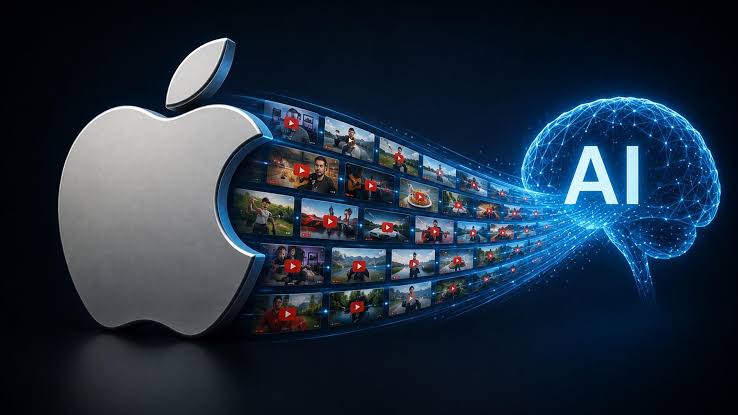
The outcome of this case could influence how AI companies collect material from platforms such as YouTube, Reddit, social networks, online archives, and news sites.
A ruling in Apple’s favour could strengthen the argument that public content does not receive DMCA protection simply because a platform tries to limit automated scraping. A ruling for the creators could make AI companies more cautious about collecting online material without direct agreements.
The court has not made a decision yet
Apple has asked the court to dismiss the complaint permanently, or remove certain parts of the claims. No ruling has been issued, and the lawsuit has not been approved as a class action.
For now, the case remains another important test of how copyright law will apply to AI training. The dispute is unlikely to settle the wider debate, but it could help define where the legal boundary sits between public access, platform rules, and commercial AI development.


Discussion (0)
Be the first to comment.