



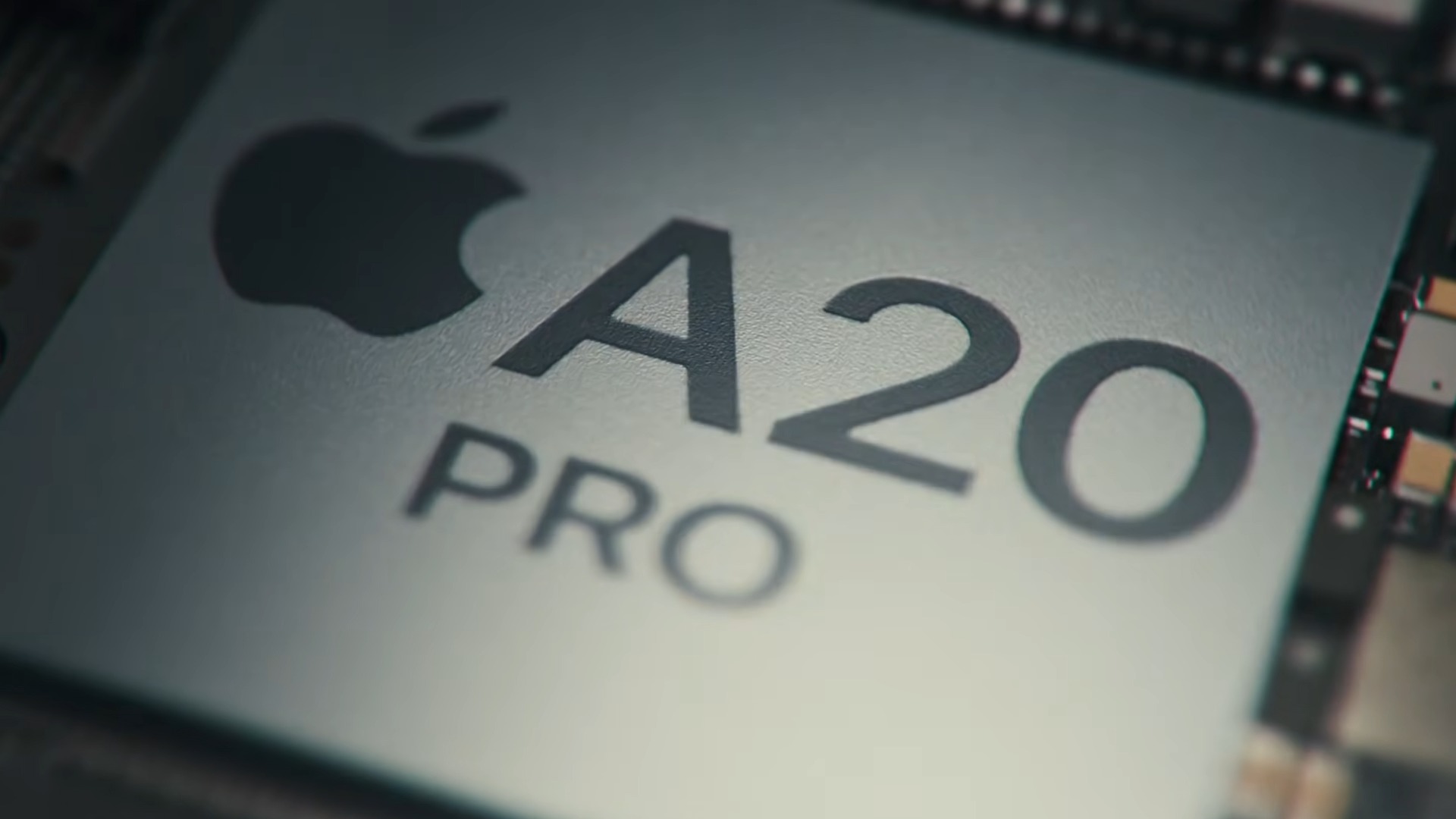
Apple's new A20 Pro has appeared in an early Geekbench 6 result, showing a single core score of 4,719 and a multi core score of 12,677.
The result suggests a substantial CPU performance increase over the A19 Pro used in the previous generation. Based on the supplied comparison, the A20 Pro is around 25% faster in Geekbench single core performance, although this is still an early result from one sample rather than a broad independent test.
The chip powers the new iPhone 18 Pro models and Apple's first foldable iPhone Duo.
A20 Pro reaches nearly 5GHz
The leaked benchmark lists the A20 Pro running at approximately 4.93GHz, up from around 4.26GHz for the A19 Pro.
Apple has already said the A20 Pro uses new performance and efficiency cores, along with a 2nm manufacturing process.
The CPU retains a six core configuration with two performance cores and four efficiency cores.
| Processor | Geekbench 6 single core | Geekbench 6 multi core | CPU configuration | Clock |
|---|---|---|---|---|
| Apple A20 Pro | 4,719 | 12,677 | 2 performance + 4 efficiency cores | 4.93GHz |
| Apple A19 Pro | About 3,800 | About 10,000 | 2 performance + 4 efficiency cores | 4.26GHz |
| Apple M5 Max | About 4,300 | About 29,000 | 6 performance + 12 efficiency cores | 4.61GHz |
| Snapdragon X2 Elite | About 3,800 | About 22,750 | 6 performance + 12 efficiency cores | 4.7GHz |
| Ryzen 9 9950X3D2 | About 3,600 | About 28,000 | 16 cores, 32 threads | 4.3GHz |
Single core performance is the standout result
The most notable figure is the 4,719 single core score.
That puts the A20 Pro ahead of several much larger laptop and desktop processors in this specific benchmark, including the comparison scores shown for Apple's M5 Max, Qualcomm's Snapdragon X2 Elite, and AMD's Ryzen 9 9950X3D2.
That does not mean the smartphone chip is faster overall.
Desktop and laptop processors still have a major advantage in multi core workloads because they contain many more CPU cores and operate under much higher power limits.
The A20 Pro's 12,677 multi core result remains well below the roughly 29,000 score listed for the M5 Max and the roughly 28,000 result for the Ryzen 9 9950X3D2.
Apple claimed a 20% CPU improvement
Apple's official figure for the A20 Pro is a CPU performance increase of up to 20% compared with the previous generation.
The leaked Geekbench result points to a somewhat larger gain in single core performance, but one benchmark run is not enough to establish the final average.
Geekbench also measures a specific set of workloads and should not be treated as a complete representation of real world smartphone performance.
Sustained performance, thermal limits, application behavior, battery use, and operating system optimization can all affect how the chip performs outside a short benchmark.
2nm process and higher clocks contribute to the gain
The A20 Pro is Apple's first smartphone processor built on a 2nm process.
The move to a newer manufacturing node is accompanied by revised CPU cores and a significant clock increase.
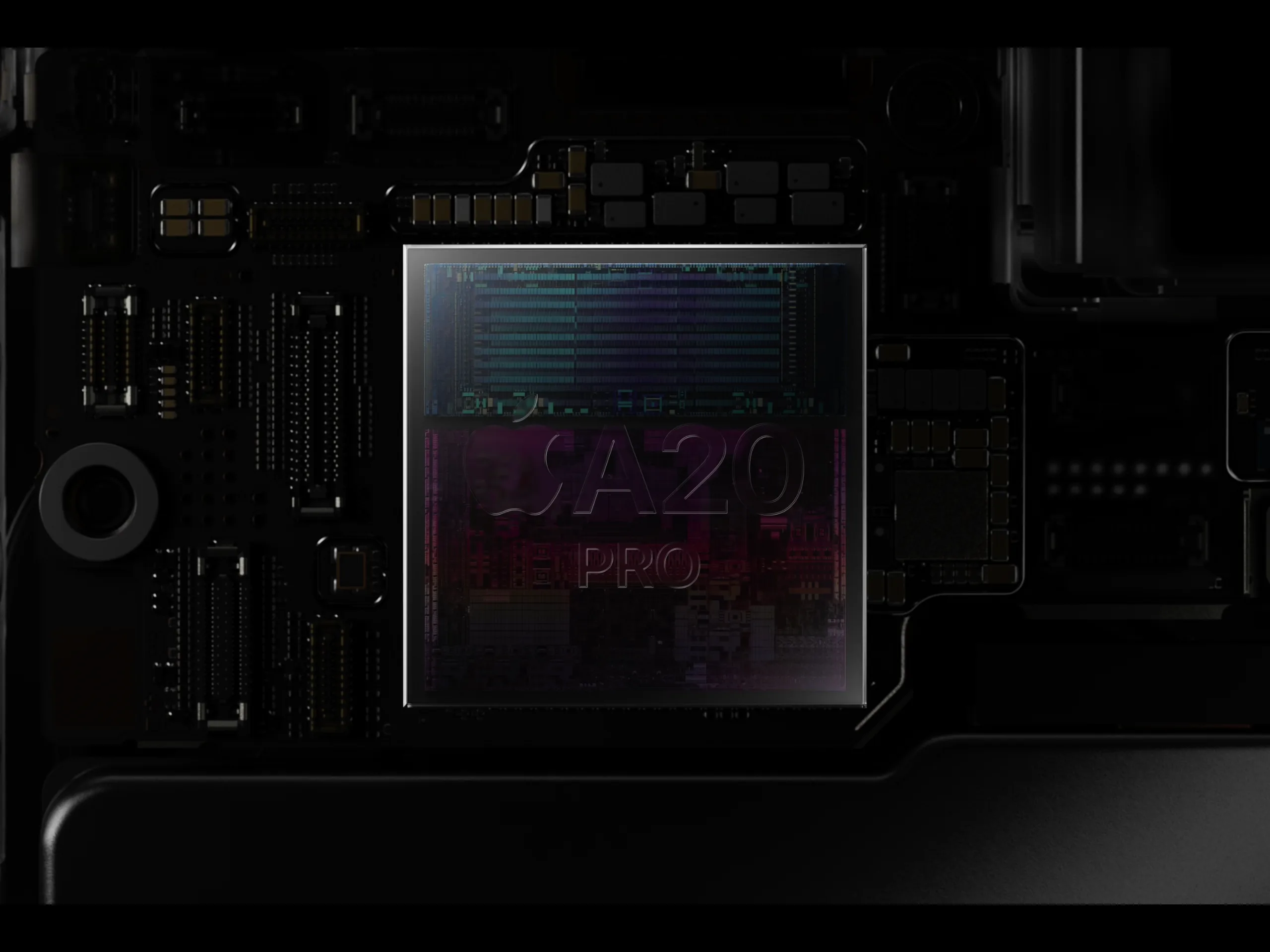
The roughly 4.93GHz figure is especially notable for a smartphone processor and represents a substantial increase over the A19 Pro's reported 4.26GHz clock.
Apple appears to be using both architectural changes and higher operating frequencies to improve CPU performance.
Broader testing is still needed
The first Geekbench result gives an early indication of what the A20 Pro can deliver, but independent reviews will provide a better picture.
More samples will also show whether the 4,719 single core result is typical or unusually high.
The iPhone 18 Pro and iPhone Duo are scheduled to reach retail on September 18, 2026, so additional benchmarks and sustained performance testing should provide a clearer view of Apple's 2nm chip around launch.


Discussion (0)
Be the first to comment.