



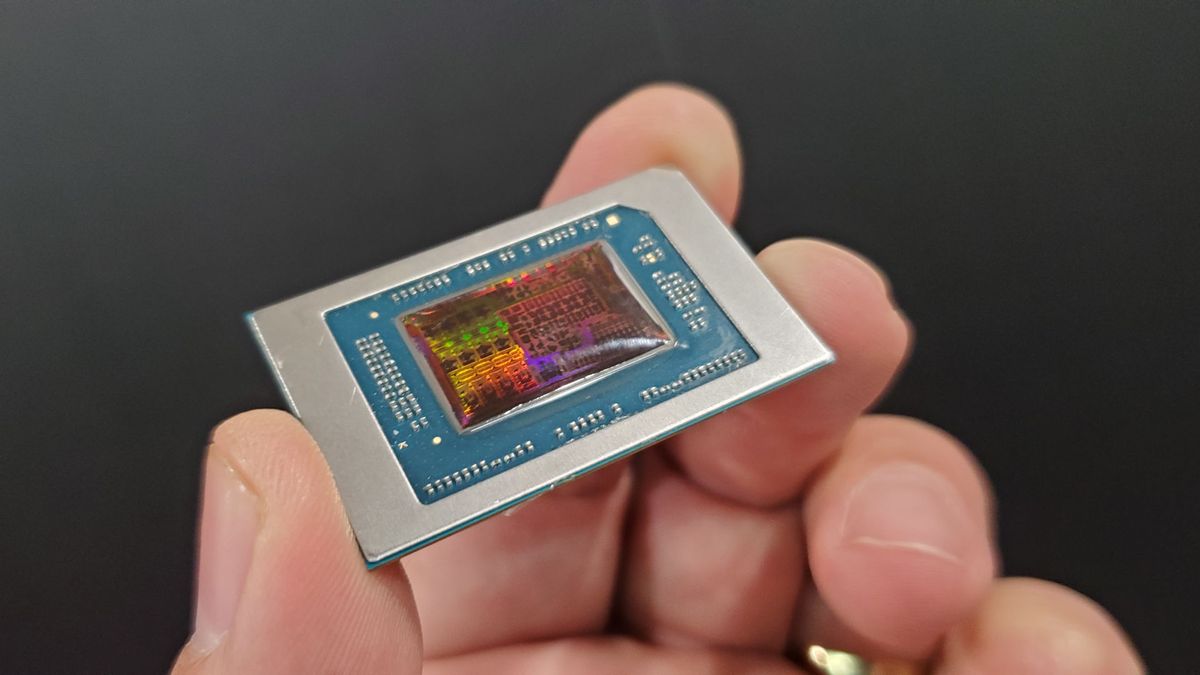
AMD is preparing a third type of processor core for its Zen 6 generation, with a new low power design expected to appear in future Ryzen mobile chips.
The company already uses regular high performance cores and denser Zen 6C cores in its wider processor roadmap. The new Zen 6LP core appears to target background tasks, idle workloads and other situations where reducing power consumption matters more than reaching maximum speed.
Recent Linux kernel updates have provided more details about how the operating system will identify and manage these cores. The patches indicate that Zen 6LP will share the Zen 6 instruction set while using design ideas associated with several earlier Zen generations.
Unofficial information suggests the low power core may match or exceed the performance of Zen 5 or Zen 5C designs. It is not yet clear whether that comparison refers to raw performance, efficiency or a balance of both.
| Zen 6 core type | Expected purpose |
|---|---|
| Zen 6 | High performance workloads |
| Zen 6C | Higher core density and improved efficiency |
| Zen 6LP | Background tasks and minimal power use |
| Expected platform | Medusa mobile processors |
| Likely introduction | Around CES 2027 |
Zen 6LP is designed for lighter workloads
AMD describes the low power core as a design intended to minimise energy use during idle or background activity.
Modern laptops and handheld gaming devices regularly perform small tasks while the main processor cores are not fully active. These tasks can include checking notifications, running background services, playing audio and maintaining network connections.
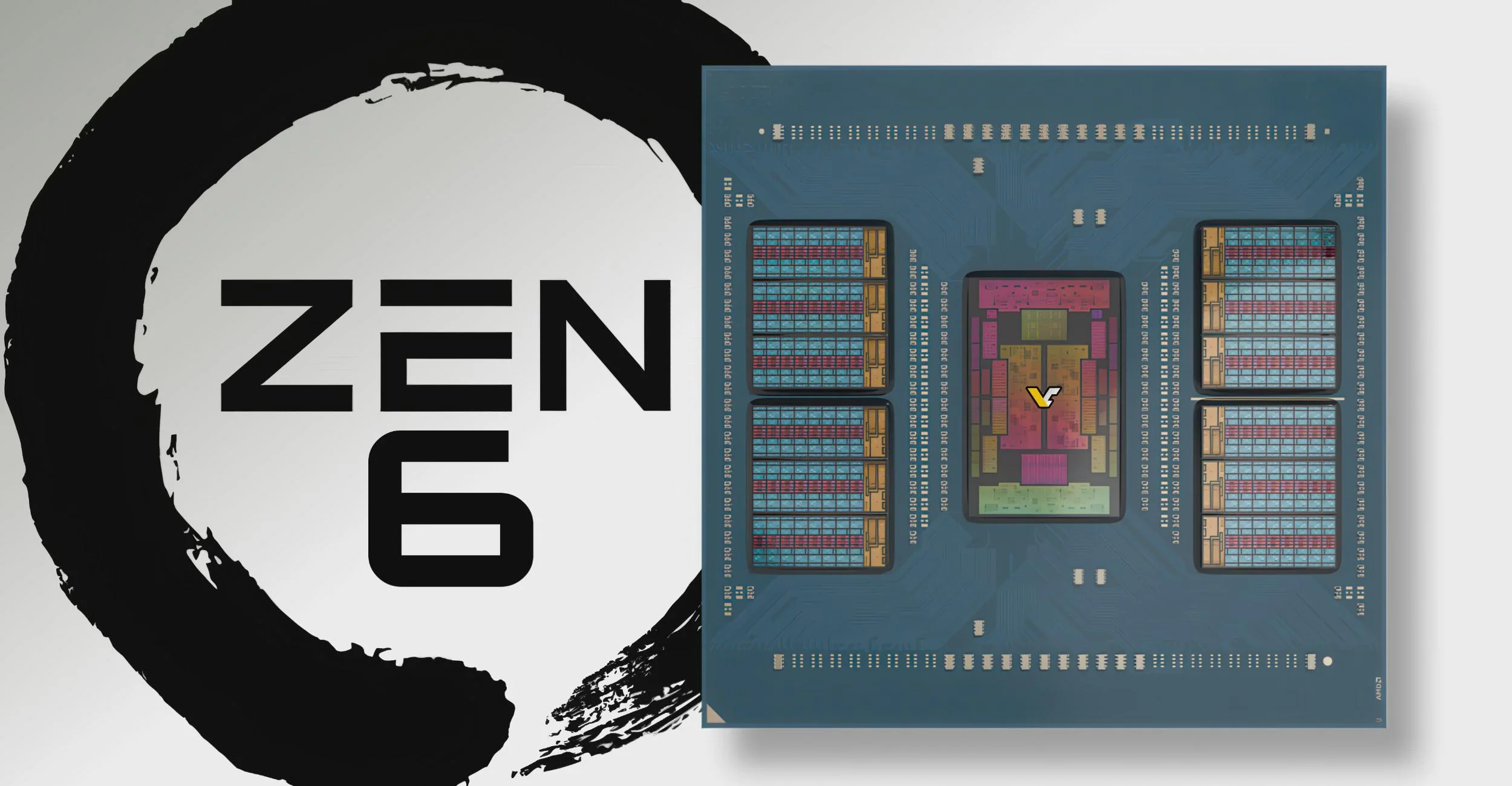
Using a smaller and more efficient core for this work could allow the larger cores to remain inactive for longer periods. That may improve battery life and reduce heat when the system is not under heavy load.
The Linux changes also ensure that software can identify Zen 6LP correctly rather than reporting it as an unknown core type. Performance scaling will use information supplied by the processor instead of relying on a fixed ceiling designed for other AMD cores.
This should help the operating system assign workloads more accurately and select suitable clock speeds for the new design.
AMD appears to combine ideas from several Zen generations
Zen 6LP is not expected to be a simple low frequency version of the standard Zen 6 core.
The design reportedly uses a microarchitecture similar to Zen 5 while retaining the Zen 6 instruction set. Its 256 bit floating point unit has been compared with Zen 4, while the 512KB L2 cache resembles the arrangement used in Zen 3.
Each core may also receive 1MB of L3 cache, a configuration associated with Zen 2 and AMD’s low cost Mendocino processors.
| Design area | Reported influence |
|---|---|
| Instruction set | Zen 6 |
| General microarchitecture | Zen 5 |
| Floating point unit | Zen 4 |
| L2 cache | Zen 3 |
| L3 cache per core | Zen 2 and Mendocino |
This mixture could help AMD avoid including unnecessary high performance hardware in a core designed mainly for lighter tasks. Reusing proven ideas may also reduce development risk while allowing the company to tune the design for power efficiency.
The final implementation has not been officially detailed, so these comparisons should remain provisional.
Zen 6LP differs from Zen 6C
Zen 6C is generally expected to provide the same broad capabilities as a standard Zen 6 core in a denser physical design. It is intended to place more cores within a limited chip area while maintaining strong performance.
Zen 6LP has a different purpose. It is designed to reduce power consumption during tasks that do not require the full capability of a larger core.
This distinction could give AMD greater flexibility when designing mobile processors. A chip could combine standard Zen 6 cores for demanding work, Zen 6C cores for heavily threaded performance and Zen 6LP cores for background activity.
The operating system would need to recognise each type and direct tasks to the most suitable core. The Linux patches are an early step towards supporting that behaviour.
Medusa processors may use all three core designs
Zen 6LP is expected to appear in AMD’s Medusa family of mobile processors. These chips are reportedly planned in several configurations for laptops and other portable systems.
Some Medusa products could combine Zen 6, Zen 6C and Zen 6LP cores within the same processor. This would give AMD a more complex hybrid structure than its current Ryzen mobile designs.
The high performance cores could handle games, creative applications and demanding foreground tasks. Dense cores could improve multithreaded performance, while the low power cores could manage lighter work with less energy.
Such an arrangement could be particularly useful in handheld gaming systems, where performance and battery life must be carefully balanced.
AMD is expected to reveal more information about Medusa around CES 2027. Until then, core counts, performance targets and final product configurations remain unconfirmed.
The Linux support shows that Zen 6LP is moving closer to real hardware. If AMD can deliver Zen 5 class performance at a lower power level, the new core could become an important part of its strategy for efficient laptops and handheld devices.



Discussion (0)
Be the first to comment.