



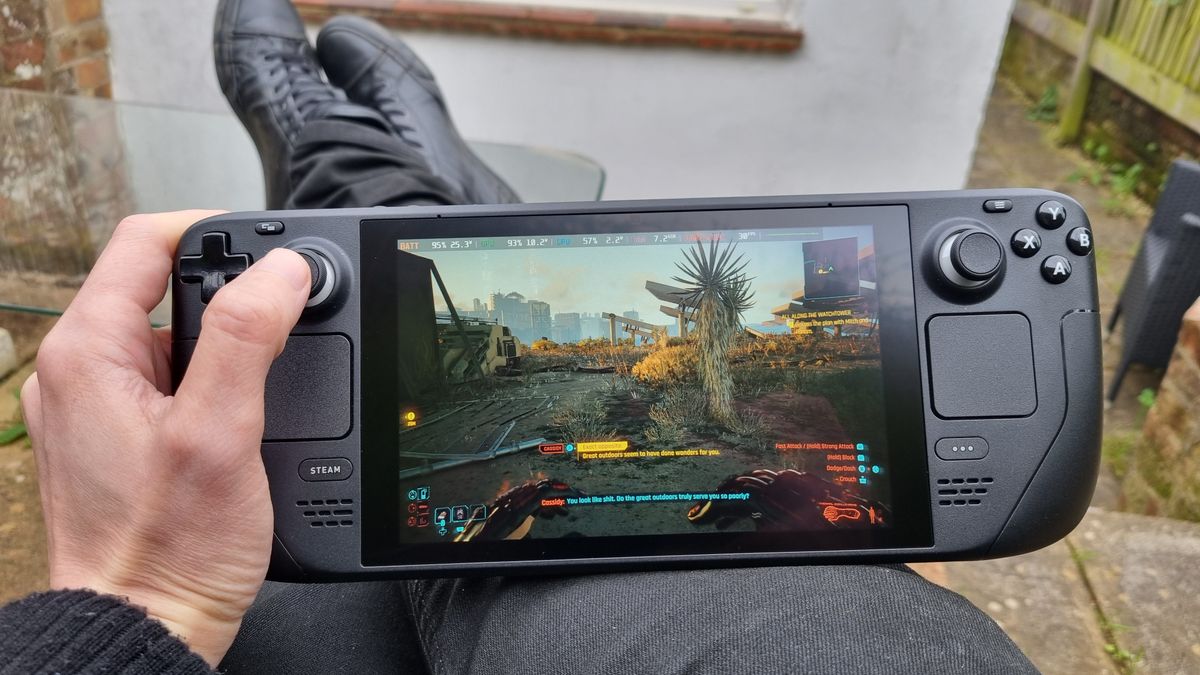
A proposed update for AMD processors on Linux could reduce game stuttering on the Steam Deck and other handheld systems built around AMD hardware.
The patch changes how the Linux AMD P State driver responds when an important game thread briefly stops working while waiting for the graphics processor or another process. These short pauses can cause the processor frequency to fall at the wrong moment, leading to delayed frames when the thread becomes active again.
Developer David Vernet created an optional per core EPP boost intended to keep the relevant processor core ready without increasing power use across the entire chip.
Early testing with Civilization VI showed a 31.8 percent improvement in one percent low frame rates. Overall frame times also improved by 4.1 percent.
The increase in one percent lows is especially important because that measurement reflects the slowest frames during gameplay. A higher average frame rate may look impressive in a benchmark, but poor low frame rates can still create visible stutter and uneven movement.
The patch targets brief processor frequency drops
Modern games often rely heavily on one main thread or rendering thread. During each frame, that thread may briefly wait for a GPU task, memory operation, or synchronisation event to complete.
The operating system may interpret the pause as reduced activity and lower the processor frequency. When the game thread starts working again, the core may not increase its clock speed quickly enough.
That short delay can create a stale frame or an unusually long frame time. Even when the average frame rate remains stable, repeated spikes can make a game feel less smooth.
The proposed fix allows the system to apply an energy performance preference boost to a specific active core. This helps the core respond more quickly when the game thread resumes.
| Test result in Civilization VI | Reported improvement |
|---|---|
| One percent low frame rate | 31.8 percent |
| Overall frame times | 4.1 percent |
| Main target | Short processor frequency drops |
| Supported hardware focus | AMD Linux systems |
| Current availability | Not yet included in the main Linux kernel |
A broader performance increase caused problems
An earlier approach involved raising the minimum performance level of a busy processor core. Testing showed that this method could reduce performance on low power systems.
AMD handheld processors manage CPU and GPU power through a shared System Management Unit. Increasing the minimum CPU performance can take power away from the integrated graphics unit or interfere with the way the chip balances its available power.
That behaviour is particularly important on the Steam Deck, where the processor and graphics hardware share a limited power budget.
The per core EPP boost offers a more focused solution. It improves responsiveness on the core handling the game thread without forcing the whole processor to operate at a higher performance level.
This should reduce the risk of lower GPU clocks, unnecessary heat, or shorter battery life.
Civilization VI showed much stronger low frame rates
Civilization VI already runs reasonably well on the Steam Deck, but it can experience occasional frame rate drops during demanding scenes or processor heavy turns.
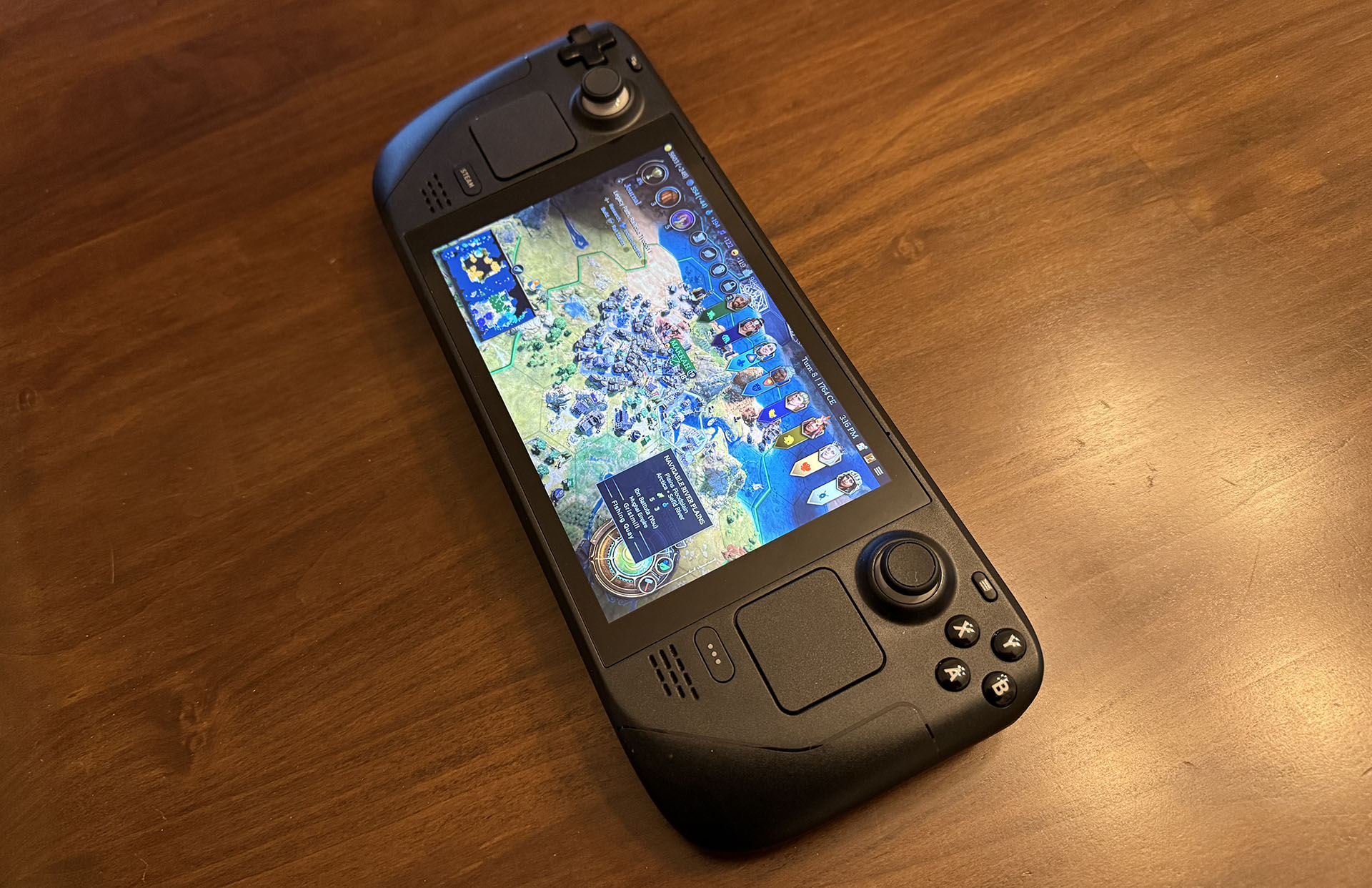
The reported 31.8 percent improvement in one percent lows suggests the patch removed many of the largest dips. The 4.1 percent improvement in overall frame times is smaller, but it still points to more consistent performance.
The result does not mean every Steam Deck game will gain more than 30 percent performance. Civilization VI may respond particularly well because it can become limited by processor performance.
Games that are mostly limited by the GPU may show smaller improvements. Titles with heavy simulation, world processing, or main thread workloads are more likely to benefit.
Additional testing will be needed across different games and AMD powered handhelds before the wider effect becomes clear.
Steam Deck owners cannot use the patch yet
The update has not been accepted into the main Linux kernel, so it is not currently available through a standard SteamOS update.
The patch must first go through technical review and testing. Developers will need to confirm that it does not create new problems across other AMD processors, desktop computers, laptops, servers, or low power devices.
If accepted, it could later reach SteamOS through a future Linux kernel update. Other Linux distributions and AMD handheld systems could also benefit.
The proposal shows how small changes to processor power management can improve gaming without requiring faster hardware. Average frame rates may remain similar, but reducing sudden frame time spikes can make movement and controls feel more consistent.
For Steam Deck players, the early results are promising. The patch could provide smoother performance in processor limited games while preserving the careful CPU and GPU power balance required by a portable system.



Discussion (0)
Be the first to comment.