



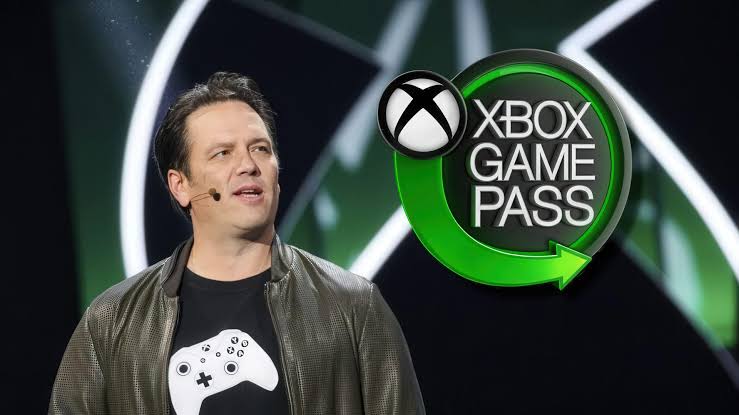
Some leaders at Microsoft-owned game studios reportedly believe Xbox Game Pass has damaged the commercial value of their releases by teaching customers to wait for subscription access instead of paying full price.
The criticism comes as Microsoft reviews the future of Game Pass following major layoffs across Xbox and reported pressure on the division’s financial performance.
Industry reporter Jason Schreier said during a podcast discussion that several studio leaders inside Xbox strongly dislike the service and believe it has devalued both their own projects and games more broadly.
The concern is especially relevant for titles sold at £40 or more. When those games arrive on Game Pass at launch, subscribers can access them through a monthly payment rather than buying them separately.
Microsoft has not confirmed that it plans to end day-one releases across the service. However, the company may reduce the number of major games included at launch and add them later, after the strongest period for direct sales has passed.
| Area | Reported situation |
|---|---|
| Main concern | Game Pass reduces full-price game sales |
| Internal response | Some Xbox studio leaders reportedly oppose the model |
| Possible policy change | Fewer major games added on release day |
| Example discussed | South of Midnight |
| Subscriber claim | Reportedly fell from 34 million to 30 million |
| Wider context | Xbox layoffs and weak financial performance |
| Likely future model | Selected games launch outside Game Pass before joining later |
Day-one access can weaken the reason to buy a game
The central criticism is that Game Pass changes how customers judge the value of individual releases.
A game such as South of Midnight may cost £40 when purchased directly, but a Game Pass subscriber can play it as part of a monthly membership.
For someone already paying for the service, buying the game separately may feel unnecessary. Even customers who are not subscribed may decide that paying for one month provides better value than purchasing a single title.
This can reduce direct sales during the launch period, when publishers normally earn the highest prices and generate the most attention.
The effect may be particularly difficult for smaller or more specialised games. These projects may receive praise from a dedicated audience without reaching the sales volume of major franchises.
A subscription service can expose them to more players, but it can also make it harder to measure whether the game would have succeeded as a traditional release.
Studio leaders may also worry that internal performance is judged partly through subscriber engagement rather than direct revenue, making the commercial value of their work less clear.
Game Pass carries pressure beyond normal game development
A title released through Game Pass is expected to do more than sell copies.
It may also be judged by how many people subscribe, remain subscribed or spend time using the service because of that game.
This creates an additional responsibility for development teams.
A normal release can be evaluated through sales, reviews and long-term revenue. A Game Pass release may also be expected to support the wider subscription business, even when one game cannot reasonably attract millions of new members on its own.
That burden becomes more difficult when the service is no longer growing quickly.
If subscriber numbers remain flat or decline, individual releases can appear less effective even when they attract a loyal audience.
The report claims the Game Pass subscriber base fell from 34 million to around 30 million. Microsoft has not publicly confirmed those figures, so they should be treated as reported information rather than official data.
Microsoft may reconsider day-one releases for major games
Schreier does not expect Game Pass to disappear.
Instead, Microsoft could change when some games enter the catalogue.
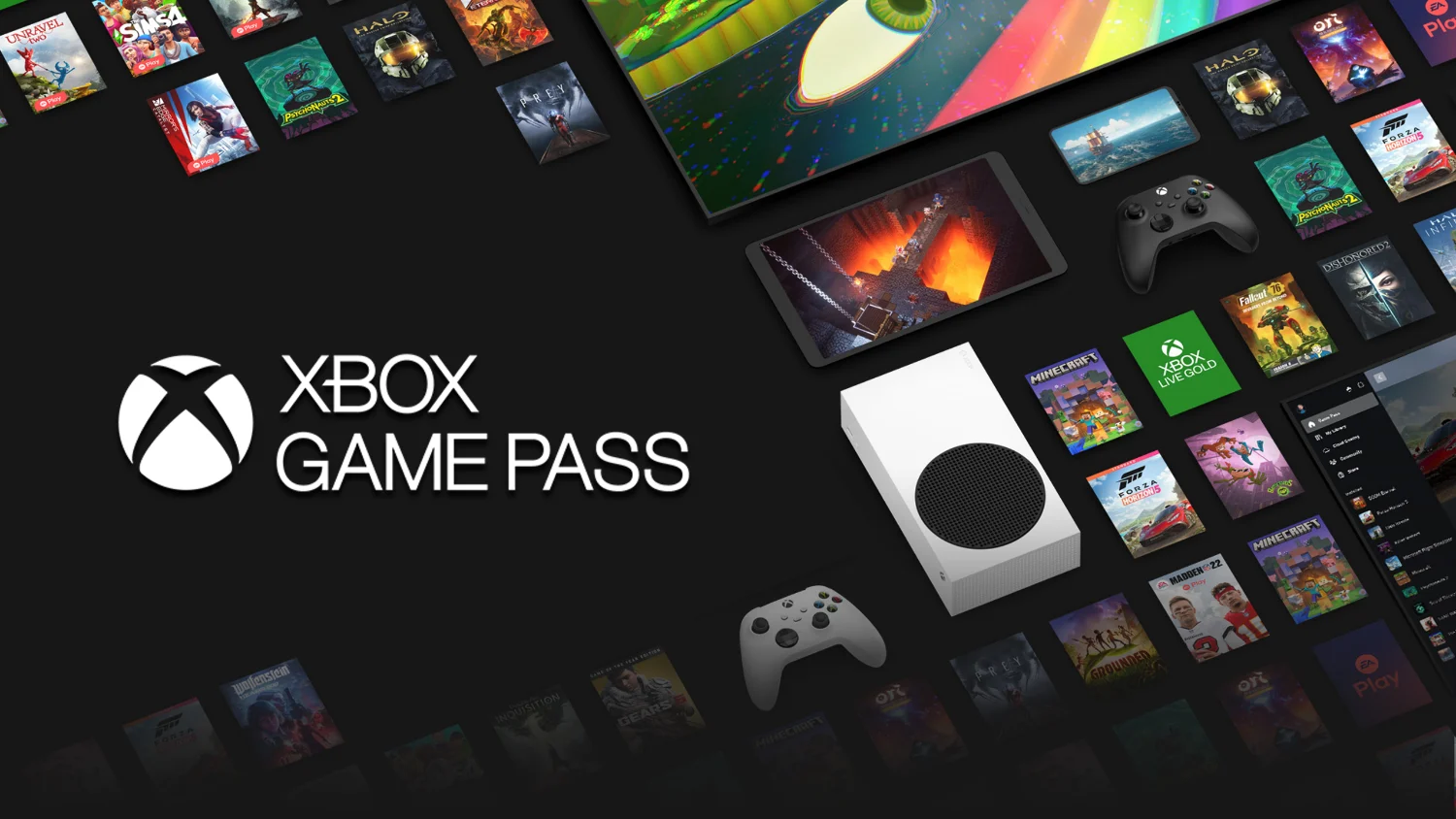
Large releases may launch first as normal purchases before being added to Game Pass several months later. This would allow Microsoft to collect direct sales from customers who want immediate access while still using the games to support the subscription service later.
The company has reportedly already moved away from universal day-one access with Call of Duty.
Other expensive franchises could follow the same approach.
A game such as The Elder Scrolls VI would likely generate substantial full-price sales at launch. Including it immediately in a subscription could reduce that revenue unless Game Pass gained enough new members to compensate.
The delayed model is common across other entertainment services. Films often appear in cinemas or through paid rentals before reaching subscriptions, while some games join services only after their strongest sales period ends.
Smaller games face a different problem
Removing every game from day-one Game Pass would create its own risks.
The service can give less familiar projects access to an audience that might never buy them at full price. Players are more willing to try an unusual title when there is no additional purchase required.
This can help new franchises build awareness and generate positive discussion.
The difficulty is finding a model that rewards the development team without making the game feel disposable.
Microsoft could continue offering selected smaller releases on day one while reserving delayed access for major franchises.
It could also adjust internal funding so studios are compensated according to development cost, engagement and long-term value rather than direct sales alone.
Without a clear system, teams may feel that their games are being used mainly as subscription content rather than treated as valuable products.
Comparisons with Netflix have limits
Game Pass is often compared with Netflix, but the two services operate differently.
Many films and television programmes produced for Netflix are not sold separately to customers. Their value is directly connected to the subscription.
Xbox games are still listed for individual purchase alongside their inclusion in Game Pass.
That creates an immediate price comparison. Customers can pay the full amount for one title or access it through a subscription that also includes hundreds of other games.
This makes the individual selling price harder to defend.
Games also have different economics from films and television. Development can continue for years after launch through patches, downloadable content, servers and community support.
A subscription model must account for those long-term costs as well as the initial production budget.
Xbox’s wider financial problems increase scrutiny
The debate is taking place after another major round of Xbox layoffs.
The supplied report says Microsoft plans to cut 3,200 positions by July 2027, with additional losses affecting contractors, external development partners and vendors.
These reductions have raised questions about whether Microsoft’s gaming strategy has delivered the expected returns.
Game Pass was a central part of Xbox’s direction under former chief Phil Spencer. The company invested heavily in acquisitions and first-party development while promising that major releases would arrive in the service on launch day.
That strategy depended on sustained subscriber growth.
If membership does not increase enough, Microsoft must either raise prices, reduce costs, limit day-one releases or find more revenue from advertising and additional purchases.
The reported tension inside Xbox suggests that some studio leaders believe the current model has already placed too much pressure on their projects.
Game Pass is likely to continue in a more selective form
Ending Game Pass entirely would be difficult because it is deeply connected to Xbox consoles, PC gaming, cloud streaming and Microsoft’s wider publishing strategy.
A more likely outcome is a tiered approach.
Smaller games, older titles and selected releases may continue arriving on day one. Major franchises could be held back until direct sales slow.
Microsoft could also create more expensive tiers that include immediate access while lower-cost plans receive games later.
Such changes would weaken the original promise that every first-party Xbox game would launch in Game Pass, but they could improve the economics of individual releases.
The final decision will depend on subscriber trends, game sales and Microsoft’s willingness to prioritise short-term revenue over subscription growth.
The reported criticism from studio leaders shows that Game Pass is no longer being discussed only as a customer benefit. Inside Xbox, it has also become a debate about whether subscription access helps games reach more people or makes those games appear less valuable.



Discussion (0)
Be the first to comment.