



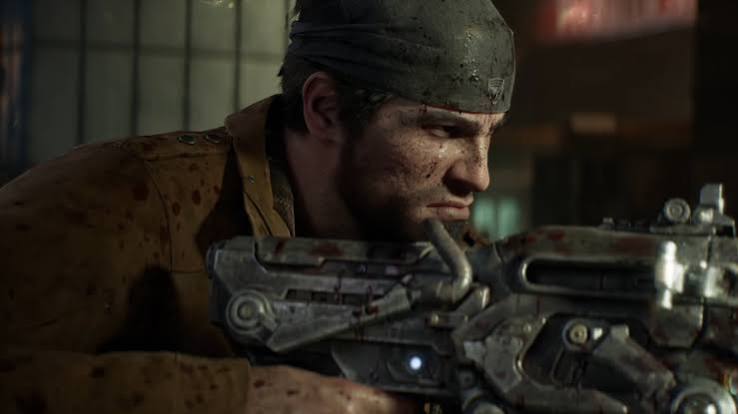
Xbox is returning to selective console exclusivity, but players should not assume that every future single player game will be limited to Xbox and PC.
Matt Booty, Xbox chief content officer, says the company will evaluate releases individually because different games serve different purposes across its portfolio. Large multiplayer and live service games are expected to remain available on several platforms, while some story focused projects may be kept away from PlayStation.
The approach is already visible in the company’s upcoming release schedule. Gears of War: E Day and Clockwork Revolution are planned as permanent Xbox console exclusives, with PC versions also expected. Other Xbox owned games will continue appearing on PlayStation and additional platforms.
Xbox leadership acknowledges that this strategy has not always been clear to players. The company says it has an internal framework for choosing which titles remain exclusive, but it has not publicly explained every factor within that process.
| Release approach | Expected treatment |
|---|---|
| Selected single player games | May remain exclusive to Xbox consoles and PC |
| Large live service games | Expected to remain available on several platforms |
| Established multiplayer series | Likely to prioritise broad player access |
| Games with earlier platform commitments | May still launch on PlayStation |
| Future projects | Decisions will be made individually |
Exclusivity will support Xbox hardware without becoming a fixed rule
Xbox has spent the past several years expanding its software to competing consoles. Games previously associated closely with the brand have reached PlayStation, creating uncertainty about whether Microsoft still considers exclusive releases important.
The company’s latest position confirms that exclusives remain part of its strategy. Xbox wants to give people a clear reason to purchase its hardware, particularly as it prepares future devices and attempts to rebuild confidence in the platform.
However, Booty cautioned against treating single player design as the deciding factor. A game being built mainly for one player does not guarantee that it will remain unavailable on other consoles.
Xbox owns more than 20 franchises that have each generated significant lifetime revenue. The company must consider the audience, commercial potential and long term role of each property before choosing its supported platforms.
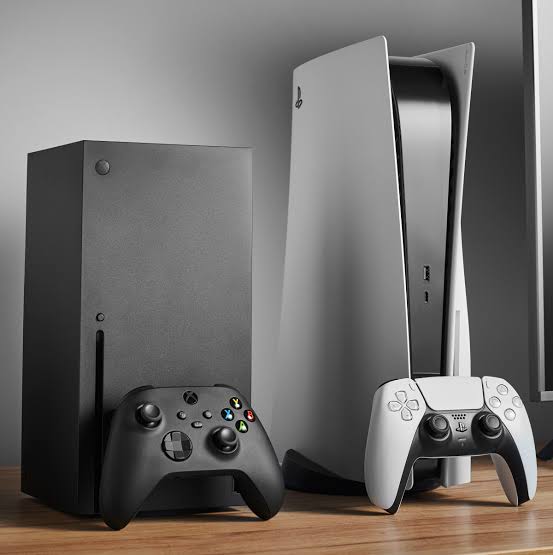
A new entry in a series closely connected to Xbox hardware may be used to strengthen the console. A different project may benefit more from reaching the largest possible audience.
This means two games with similar structures could receive different platform plans.
Multiplayer games need broad communities
Large live service games are expected to remain multiplatform because their success depends on maintaining active communities.
Online games require enough players to support matchmaking, updates and continuing development. Restricting them to one console could reduce their audience and make it harder to justify years of new content.
Existing commitments also influence the decision. Microsoft has made long term agreements covering some major franchises, while games such as Minecraft already operate across many devices.
Halo: Campaign Evolved is planned for PlayStation, marking a major change for a series historically associated with Xbox. Its developers have presented the wider release as a way for friends on different systems to play together.
Other Xbox owned games, including Minecraft Dungeons II and Forza Horizon 6, are also expected to reach PlayStation. These releases show that the renewed interest in exclusivity is not a complete reversal of Microsoft’s broader publishing strategy.
Gears of War and Clockwork Revolution will remain exclusive
Gears of War: E Day and Clockwork Revolution are among the clearest examples of Xbox’s updated direction. Both games are expected to launch on Xbox consoles and PC without PlayStation versions.
Xbox has described them as permanent exclusives rather than timed arrangements. The company has also indicated that they will not be the only projects to follow this model.
That decision could help restore value to Xbox hardware after a period when many players questioned whether owning the console offered meaningful access advantages.
At the same time, inconsistent platform announcements could continue causing confusion. Xbox often waits until closer to release before confirming every supported system, leaving players uncertain about where major games will eventually appear.
The company says it intends to communicate the framework more clearly. For now, its policy is based on individual evaluation rather than a simple division between single player exclusives and multiplatform online games.
Xbox will continue using exclusive releases where they can strengthen the platform, while publishing other titles widely when a larger audience better supports the game and its business model.



Discussion (0)
Be the first to comment.