



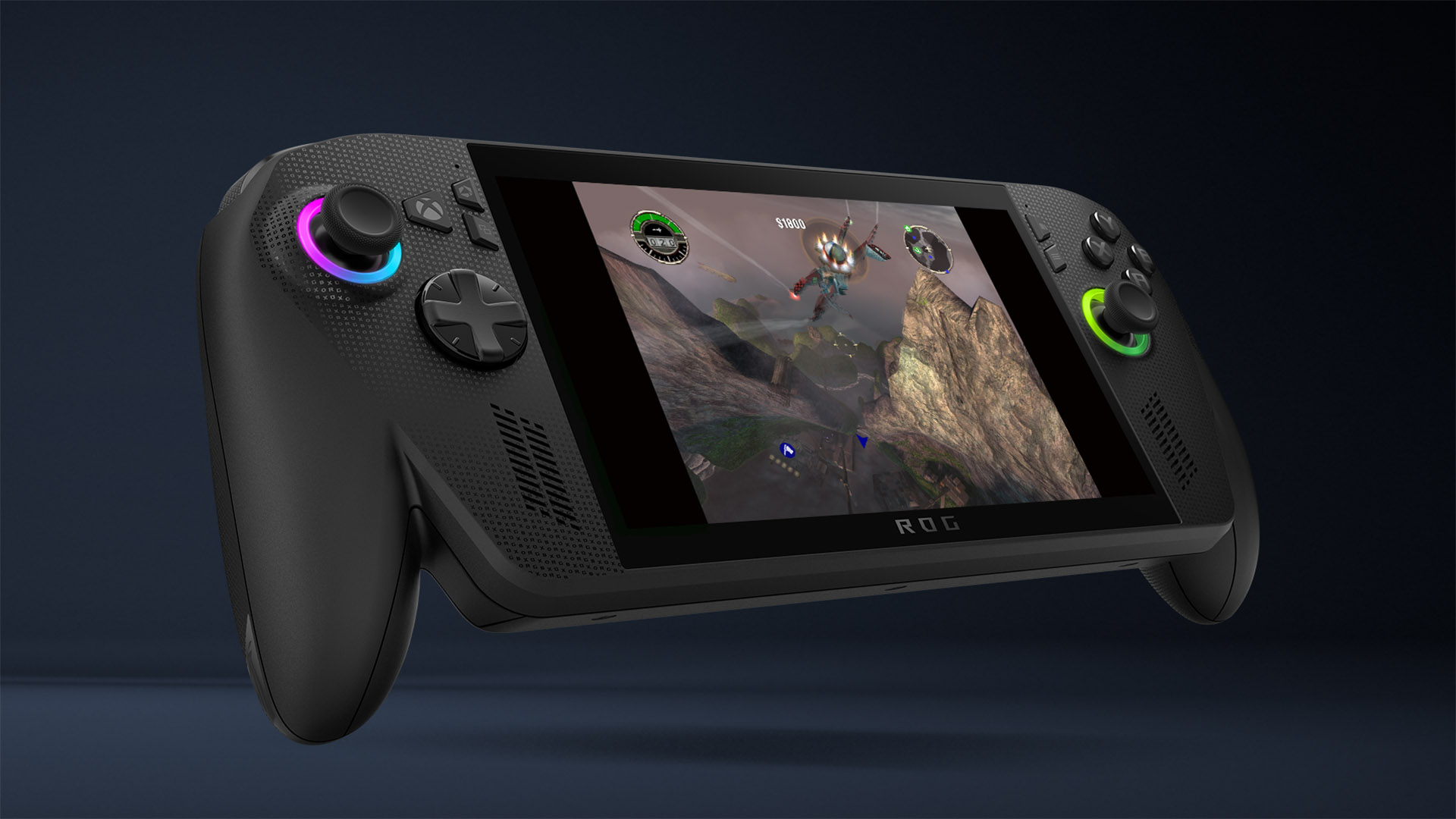
Microsoft has officially brought Xbox backward compatibility to Windows 11 PCs and handheld gaming systems, starting with four original Xbox titles that never received traditional PC releases.
The initial lineup includes BLiNX: The Time Sweeper, Conker: Live and Reloaded, Crimson Skies: High Road to Revenge, and Fuzion Frenzy. All four games are available to purchase separately on PC and are also included across every Xbox Game Pass plan.
Players who already own a digital licence for one of the supported games will receive access on PC through Xbox Play Anywhere. This means an existing purchase can carry across compatible Xbox consoles, Windows PCs, and supported handheld devices without requiring another payment.
Microsoft says this first group is part of a wider preservation effort that will gradually bring more older Xbox games to PC. The programme also introduces visual and display improvements while keeping the original gameplay unchanged.
The first four games cover several classic Xbox genres
The launch selection includes platforming, action, arcade multiplayer, and aerial combat.
| Game | Original experience | PC availability |
|---|---|---|
| BLiNX: The Time Sweeper | Time based 3D platformer | Available now |
| Conker: Live and Reloaded | Action platformer with multiplayer | Available now |
| Crimson Skies: High Road to Revenge | Arcade aerial combat | Available now |
| Fuzion Frenzy | Local multiplayer party game | Available now |
The first lineup is relatively small, but it includes games that have remained closely associated with the original Xbox platform.
Conker: Live and Reloaded is a remake of Conker’s Bad Fur Day with improved visuals and a different multiplayer component. Crimson Skies is often remembered as one of the strongest arcade flight games on the console, while Fuzion Frenzy became a popular local multiplayer title.
BLiNX also has historical importance because it was promoted as an early attempt to build a recognisable mascot platformer for Xbox.
PC versions include resolution and image quality improvements
The backward compatibility programme adds several enhancements designed to make the games look cleaner on modern displays.
All four titles support up to four times resolution upscaling, along with anisotropic filtering and improved anti aliasing. These features should reduce jagged edges, sharpen textures viewed at an angle, and improve image clarity without changing the original art direction.
VSync support has also been added to reduce visible screen tearing. Players can choose between fullscreen and windowed display modes, making the games easier to use across desktops, laptops, and handheld systems.
| Enhancement | Benefit |
|---|---|
| 4x resolution upscaling | Produces a sharper image on modern displays |
| VSync | Reduces screen tearing |
| Fullscreen mode | Supports a traditional console style presentation |
| Windowed mode | Makes multitasking easier |
| Anisotropic filtering | Improves distant and angled textures |
| Enhanced anti aliasing | Smooths visible edges |
| Future achievement support | Adds modern progression tracking later |
Microsoft says achievement support will arrive during the coming months. The first versions therefore focus on compatibility, image quality, and licence access.
Handheld support is central to the rollout
The programme is designed for both standard PCs and Windows handhelds, including the ROG Xbox Ally and Xbox Ally X.
Older Xbox games are well suited to portable systems because their original hardware requirements were modest by current standards. They should also work comfortably with built in gamepad controls and smaller screens.
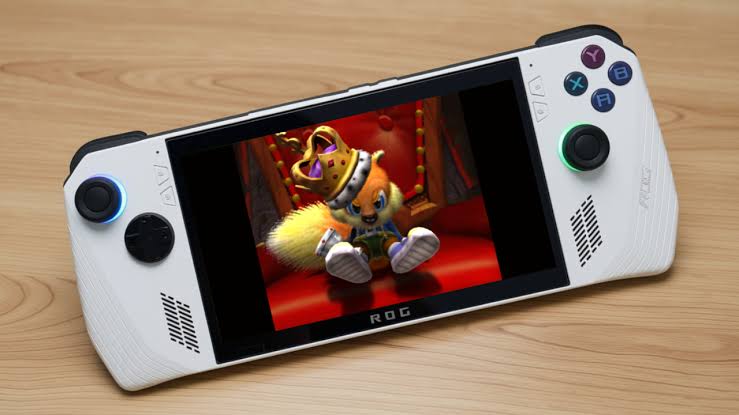
The addition of windowed display options may help on devices that use custom Windows interfaces, while four times resolution upscaling should improve image quality on modern high density panels.
Support is not limited to Microsoft branded handhelds, although specific testing and interface optimisation may vary by manufacturer.
System requirements are low by modern gaming standards
The minimum hardware requirements are accessible for many current Windows 11 systems.
Microsoft lists an NVIDIA GeForce GTX 950, AMD Radeon RX 550, Intel UHD 770, or Intel Arc A310 as the minimum graphics option. The processor requirement begins with an Intel Core i3 8100, AMD Ryzen 3 1200, or AMD Ryzen Z2 A class chip with at least four cores.
The minimum memory requirement is 8GB of RAM.
| Component | Minimum requirement | Recommended requirement |
|---|---|---|
| GPU | GTX 950, RX 550, UHD 770, or Arc A310 | RX 6800, GTX 1070 Ti, or Arc A770 |
| CPU | Core i3 8100, Ryzen 3 1200, or Ryzen Z2 A | Core i5 10400, Ryzen 5 3600, or Ryzen AI Z2 Extreme |
| Memory | 8GB RAM | 8GB RAM |
| Operating system | Windows 11 | Windows 11 |
| Graphics API | Not separately listed | DirectX 12 with Feature Level 11 |
| Drivers | Latest available version | Latest available version |
The recommended GPU list appears unusually broad, since the Radeon RX 6800 is considerably more powerful than the GTX 1070 Ti. This suggests the recommendations may focus on validated hardware rather than a strict performance match.
The low minimum requirements should still allow the games to run on a wide range of desktops, laptops, and handhelds.
Xbox Play Anywhere gives existing owners immediate access
One of the most useful parts of the launch is the digital licence transfer.
Players who already purchased one of the four games digitally can access the new PC version through Xbox Play Anywhere. Their library therefore follows them to another supported platform without requiring a second purchase.
This approach reinforces Microsoft’s wider plan to treat the Xbox library as a collection linked to an account rather than one specific device.
It also gives older purchases more value. A game bought years ago for console can now become playable on a Windows handheld or desktop with added display improvements.
Physical disc ownership does not appear to provide the same benefit because a Windows PC cannot verify or use an original Xbox disc through the digital store system.
The programme could preserve games that never reached PC
Backward compatibility on console has already kept many original Xbox and Xbox 360 games available on newer hardware. Bringing that system to PC could preserve a larger part of the platform’s history.
Many older Xbox titles never received official PC ports. Others may be difficult to reissue because the original development tools, studios, or source code are no longer available.
A compatibility layer can reduce the amount of work needed to bring those games forward. Microsoft can focus on testing, visual improvements, licensing, and distribution rather than rebuilding each title from the beginning.
The small opening lineup shows that the process will probably be gradual. Music rights, publishing agreements, online features, and technical problems may prevent some games from returning.
Still, the arrival of Xbox backward compatibility on PC creates a new route for older console games to reach modern hardware. The first four releases are limited, but the combination of Play Anywhere access, Game Pass availability, handheld support, and image quality upgrades provides a strong foundation for a larger classic Xbox library.



Discussion (0)
Be the first to comment.