



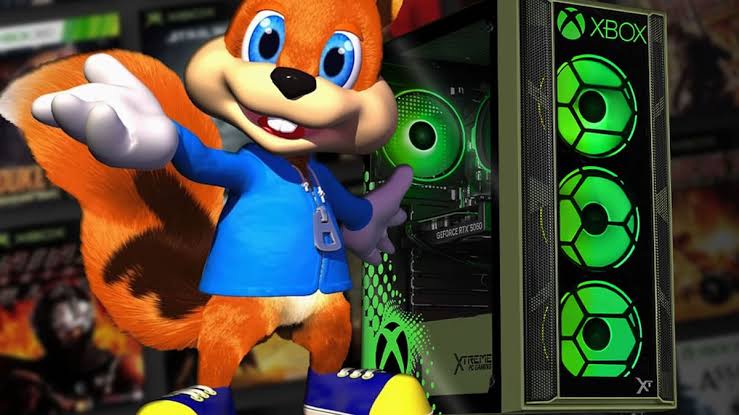
Microsoft may be preparing to expand Xbox backwards compatibility on PC beyond original Xbox games, with early technical findings suggesting that Xbox 360 titles could eventually join the programme.
Xbox recently introduced backwards compatibility for PC with four original Xbox releases: Conker: Live & Reloaded, Crimson Skies, Fuzion Frenzy and Blinx: The Time Sweeper. These games are being made available across Windows PCs and supported handhelds.
However, files connected to the new releases reportedly indicate that the games are running through technology linked to Xbox 360 emulation. That discovery has encouraged speculation that Microsoft is building a broader compatibility system capable of supporting Xbox 360 software as well.
Microsoft has not officially announced any Xbox 360 games for PC. The available evidence therefore points to a possibility rather than a confirmed release plan.
| Current detail | Status |
|---|---|
| Backwards compatibility on PC | Officially launched |
| Initial game selection | Four original Xbox titles |
| Xbox 360 support | Not officially confirmed |
| Technical clue | Existing games appear connected to Xbox 360 emulation technology |
| Supported devices | Windows PCs and compatible handhelds |
| Future game list | Not announced |
Microsoft’s wording leaves room for more console generations
The original announcement did not describe the programme as being limited to first generation Xbox games.
Microsoft said the feature would make it easier to play classic Xbox titles across PCs and handhelds. That broader wording could include games released for Xbox 360, although the company has not confirmed how far the programme will expand.
Starting with original Xbox releases may allow Microsoft to test its delivery system, licensing process and emulator performance before adding more demanding games.
Xbox 360 titles would likely require additional work. Games may need individual testing, graphics fixes, control adjustments and support for modern Windows hardware.
The company would also need approval from third party publishers before selling or distributing many older games. Music rights, expired licences and ownership changes could prevent some titles from returning even when the emulator can run them.
Several major Xbox 360 games never received PC versions
Xbox 360 support on PC could make several important games officially available on Windows for the first time.
Fable 2 remains one of the most requested examples. The game was released on Xbox 360 but never received a native PC version, despite other entries in the series appearing on Windows.
Gears of War 2 and Gears of War 3 are also still tied to Xbox console hardware. Microsoft has released later games on PC, but much of the original trilogy remains unavailable through current Windows storefronts.
Other possibilities include Lost Odyssey, Banjo Kazooie and Banjo Kazooie: Nuts & Bolts. These games would be especially suitable for modern handheld PCs because they were originally designed around controller input and console hardware.
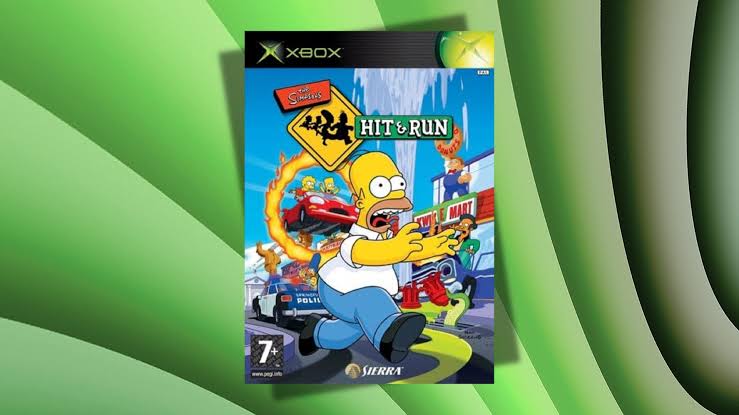
A compatibility programme could provide a faster route than developing complete remasters or native PC ports. Microsoft could preserve the original versions while adding features such as cloud saves, achievements, higher resolutions or more stable performance.
None of these games has been confirmed for the PC programme, so they should be treated as examples of what the technology may eventually support.
Licensing will decide which games can return
Technical compatibility is only one part of bringing older games to modern platforms.
Microsoft must also secure permission to distribute each title. Games containing licensed music, vehicles, sports organisations or branded products can be particularly difficult to restore.
This was one of the main limitations of the existing backwards compatibility programme on Xbox consoles. Hundreds of games became playable, but many others remained unavailable because of legal or commercial restrictions.
Games owned directly by Microsoft may be easier to approve. The company now controls catalogues from Xbox Game Studios, Bethesda and Activision Blizzard, giving it access to a large selection of potential releases.
Even then, individual content licences may still create complications. Ownership of the game itself does not automatically renew every agreement used in its development.
PC handhelds could benefit from classic Xbox games
Expanding the programme to Xbox 360 games would be particularly useful for portable Windows devices.
Handhelds such as the ROG Xbox Ally, Lenovo Legion Go and other Windows based systems already support the Xbox PC application. Adding older console games would give owners access to titles designed for controller play without relying on unofficial emulators.
Many Xbox 360 games were built to run at modest resolutions and frame rates compared with current releases. Modern handheld hardware should be capable of running them efficiently if Microsoft’s compatibility software is well optimised.
The programme could also strengthen Microsoft’s wider strategy of treating Xbox as a platform that extends beyond one console. Players would be able to carry more of their library between consoles, desktops and handheld devices.
Xbox 360 support remains unconfirmed, but the technical findings and Microsoft’s broad description of classic Xbox games suggest that the first four releases may be only the beginning.



Discussion (0)
Be the first to comment.