



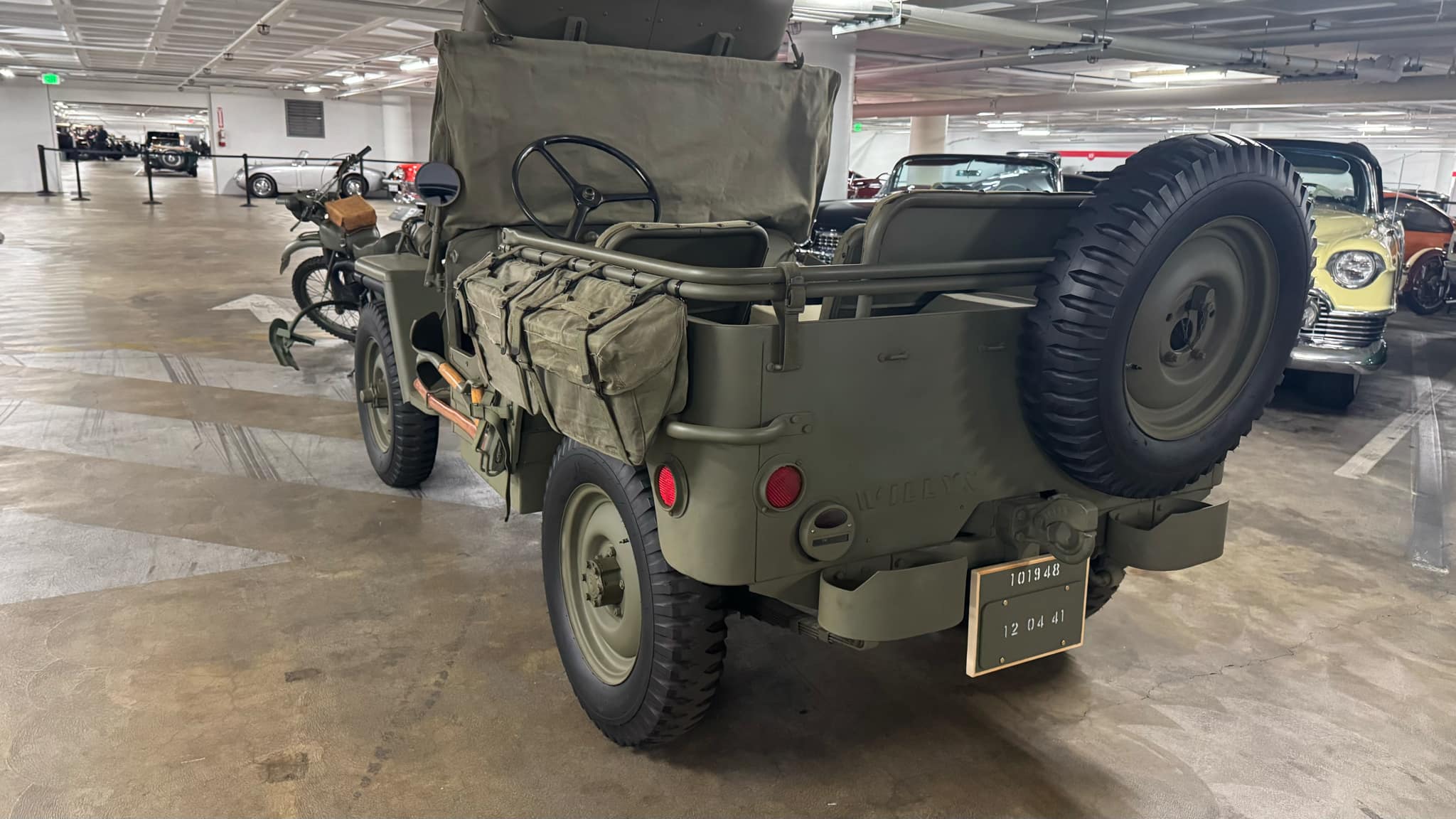
A World War II era Willys MB Jeep has been recreated from the ground up using more than 1,000 parts sourced through eBay, turning a casual idea into one of the more unusual automotive builds in recent memory. The project was led by automotive writer and Jeep enthusiast David Tracy, who first joked with an eBay Motors representative that the online marketplace had enough parts available to build a complete WWII Jeep from scratch.
That joke later became a sponsored challenge. The goal was not only to assemble a new Willys MB piece by piece, but also to drive it roughly 900 miles from Los Angeles to Moab, Utah. For a vehicle based on a 1940s military design, that meant the build had to be more than decorative. It needed to run, steer, brake, cool properly, and survive a long road trip before taking on off road terrain.
This was different from a normal restoration. With a restoration, the original vehicle acts as a reference point. Broken parts can be removed, measured, repaired, or replaced. Tracy did not have that advantage. He was building a Jeep from nothing, which meant every bracket, washer, fastener, cable, seal, and mechanical connection had to be identified and installed correctly.
The project used new core components but still required deep mechanical work
To keep the build authentic while starting with fresh hardware, Tracy centered the project around three major new components: a new frame, a new body tub made in the Philippines, and a newly cast French Go Devil engine block. He also aimed to make at least 75 percent of the vehicle factory fresh.
That sounds like it would simplify the work, but it created its own problems. New parts do not always fit perfectly with old style components, and a scratch built vehicle has no original assembly to compare against. The result was closer to creating a small one man production line than simply repairing a vintage Jeep.
| Build detail | Information |
|---|---|
| Vehicle | Willys MB style World War II Jeep |
| Builder | David Tracy |
| Parts source | More than 1,000 pieces sourced through eBay |
| Main new components | Frame, body tub, and Go Devil engine block |
| Build location | Los Angeles driveway |
| Fresh parts target | At least 75 percent factory fresh |
| Road test | Roughly 900 miles to Moab, Utah |
| Main challenge | Building from scratch without an original vehicle as a guide |
Tracy set up a working shop in his Los Angeles driveway with a workbench, vise, grinder, storage shelves, and a growing collection of fasteners. He also relied on help from people who understood WWII Jeep restoration, including a longtime Jeep friend, a Canadian reader with deep knowledge of the platform, and another hands on helper who flew in to assist.
The work covered far more than bolting panels together. The team had to assemble the engine, rebuild the transmission, install suspension components, sort out steering, finish the brake system, clean and inspect older parts, measure clearances, add shims, and troubleshoot fitment problems. Projects like this often move slowly because one missing washer or incorrect bracket can stop progress for hours.
Once the Jeep was running, the real test began. Tracy and his crew drove the fresh build from Los Angeles through desert heat and steep elevation changes toward Utah. That is a serious journey for any newly assembled vehicle, but it is especially demanding for a machine based on a WWII design with no modern comfort, aerodynamics, crash structure, or highway refinement.
The Jeep’s Go Devil engine had to carry it across long stretches of highway and backroad terrain while the crew watched for mechanical problems. Freshly built drivetrains often need careful monitoring because seals, bearings, cooling systems, brakes, and fasteners can reveal problems only after real mileage.
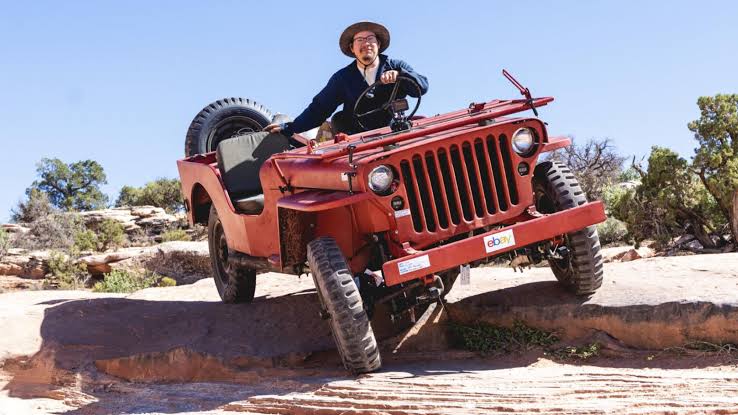
Reaching Moab gave the project its proof point. The Jeep was not only assembled successfully, but also survived the kind of long distance trip that could have exposed every shortcut. From there, it was ready for the slickrock trails that have made Moab one of the most famous off road destinations in the United States.
The build stands out because it shows both the reach of today’s online parts market and the difficulty of turning scattered parts into a working vehicle. Buying the pieces was only the start. The real achievement was understanding how they fit together, solving problems without a complete original Jeep to copy, and then trusting the finished machine enough to drive it across the desert.
For Jeep fans, the project is a reminder of how simple and durable the original Willys MB design was. For builders, it is also a warning. Even when nearly every part can be found online, building a vehicle from scratch still demands patience, mechanical knowledge, and a willingness to solve hundreds of small problems before the first real drive.



Discussion (0)
Be the first to comment.