



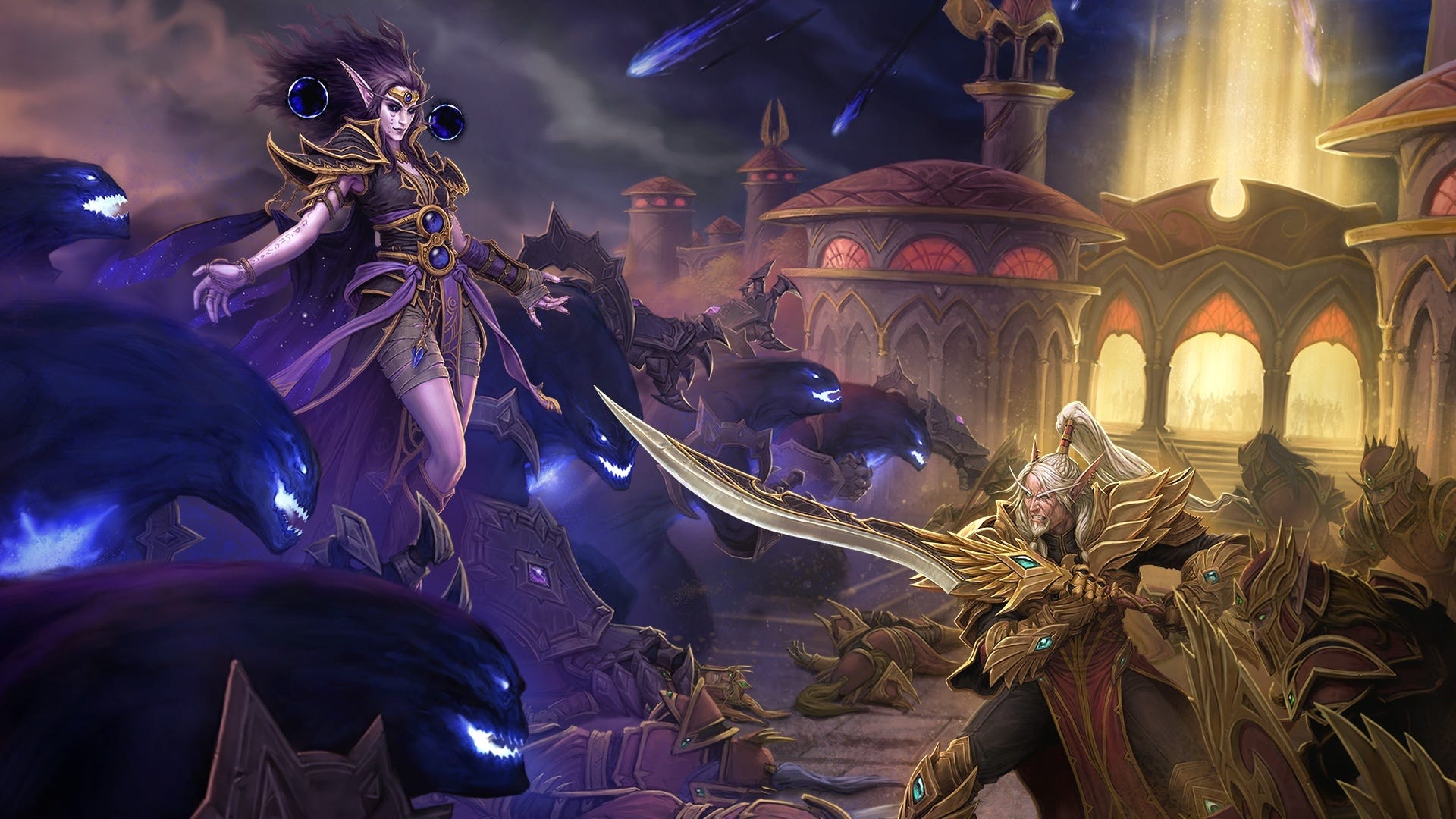
Journey and Sky: Children of the Light creator Jenova Chen says World of Warcraft played an important role in shaping how he thought about online connection. In a new interview, Chen said Blizzard’s MMO was a “savior” for him during a lonely period after he moved to the United States, even though it also showed him the limits of traditional online communication.
Chen said he struggled to build meaningful friendships through voice chat because people treated him differently once they heard his English. That experience pushed him toward a bigger question: could an online game create connection without forcing players to reveal their voice, accent, age, gender, background, or identity?
A quiet meeting between Horde and Alliance players helped shape Chen’s view of online connection
The most important moment came during World of Warcraft’s peak, when Chen was playing as Horde and encountered an Alliance player in contested territory. Normally, that kind of meeting could easily turn into combat. Instead, the two players did not kill each other. Without voice chat or normal conversation, they shared a small moment of respect through movement and silence.
That kind of wordless connection later became central to Chen’s games. Journey lets players meet another traveler without usernames, voice chat, or direct speech. You move together, help each other, and communicate through simple signals. The game removes many of the usual online labels so the connection feels more human and less judged.
| Game | Emotional idea behind it |
|---|---|
| Flower | Longing for nature after growing up in a concrete city |
| Journey | Loneliness and the search for meaningful connection |
| Sky: Children of the Light | Gratitude and a larger social world built around gentle interaction |
| World of Warcraft | Helped Chen understand the value of wordless online respect |
Sky: Children of the Light feels like a bigger version of that idea. It keeps the gentle movement and beautiful spaces associated with Journey, but places them in a wider online world filled with other players. You can sit quietly, hold hands, move together, and communicate without the pressure of normal multiplayer chat.
That design choice matters because many online games are built around competition, ranking, voice chat, and fast reactions. Chen’s games move in the opposite direction. They ask what happens when players are encouraged to help, wait, guide, and share space instead of proving themselves.
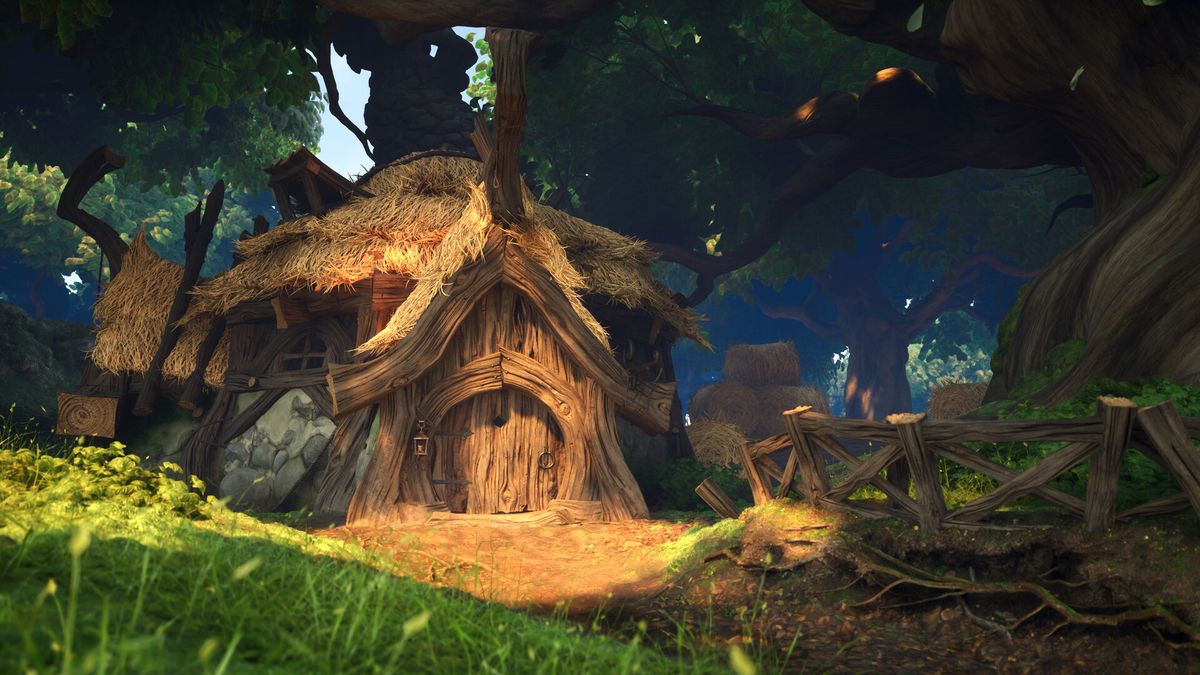
World of Warcraft did not directly become Journey or Sky, but Chen’s experience inside it helped him notice something rare. Even inside a game built around factions and conflict, players could still create a peaceful connection without words. That small moment became a design question for his own work.
The result is one of the clearest identities in modern indie games. Journey became memorable not only because of its art and music, but because it made another anonymous player feel meaningful. Sky expanded that into a larger social experience where kindness and quiet presence are part of the core design.
Chen’s comments show how inspiration can come from unexpected places. A massive MMO known for raids, factions, and combat helped inspire some of the most peaceful multiplayer design in games. For him, the lesson was not about copying World of Warcraft. It was about taking one beautiful moment from it and building a whole design philosophy around connection without judgment.



Discussion (0)
Be the first to comment.