



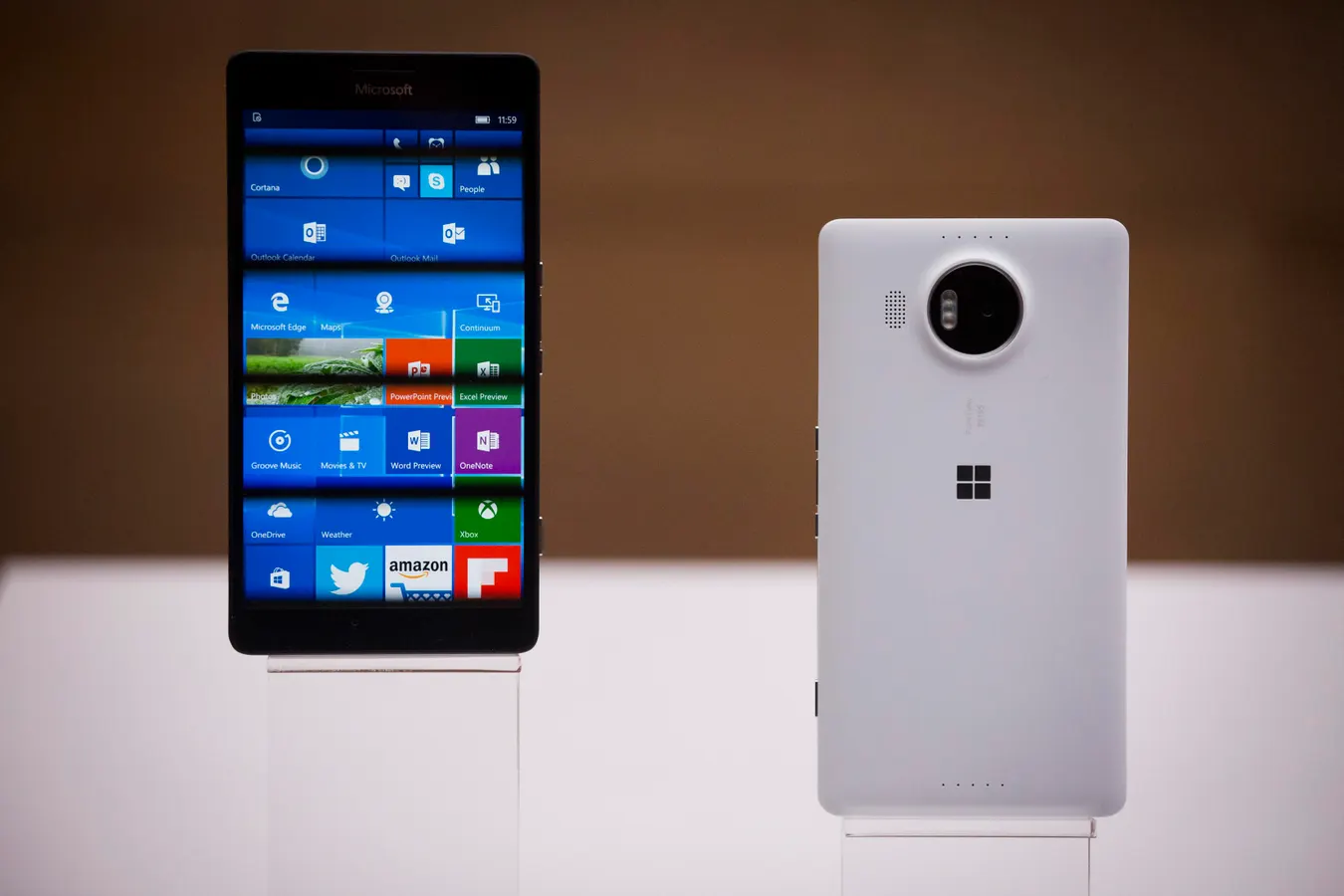
The Lumia 950 XL belongs to a very different Microsoft era.
Back in 2016, Windows phones were already fighting an uphill battle. Android and iPhone had won the mainstream market, the app gap was real for many people, and Microsoft’s mobile future was already uncertain. Even so, some people still loved using the Lumia 950 XL as their daily phone.
Looking back now, it is easy to understand why.
The first reason was size. The Lumia 950 XL had a large screen, but it did not feel as huge as older devices like the Lumia 1520. It gave you a roomy display without making the phone feel impossible to hold or carry. For people who wanted a big Windows phone that still fit in a pocket, it hit a good balance.
The screen itself was also excellent for the time. It was sharp, bright, and pleasant to look at every day. That mattered because Windows 10 Mobile’s interface, with Live Tiles and clean typography, looked especially good on larger displays.
The camera was another major reason to use it. Lumia phones had built a strong reputation for mobile photography, and the 950 XL continued that tradition. It was not perfect, and the Camera app could be buggy, but image quality was strong. The physical camera shutter button also made a real difference. It was one of those small hardware features that felt natural once you used it, then hard to give up when you moved to another phone.
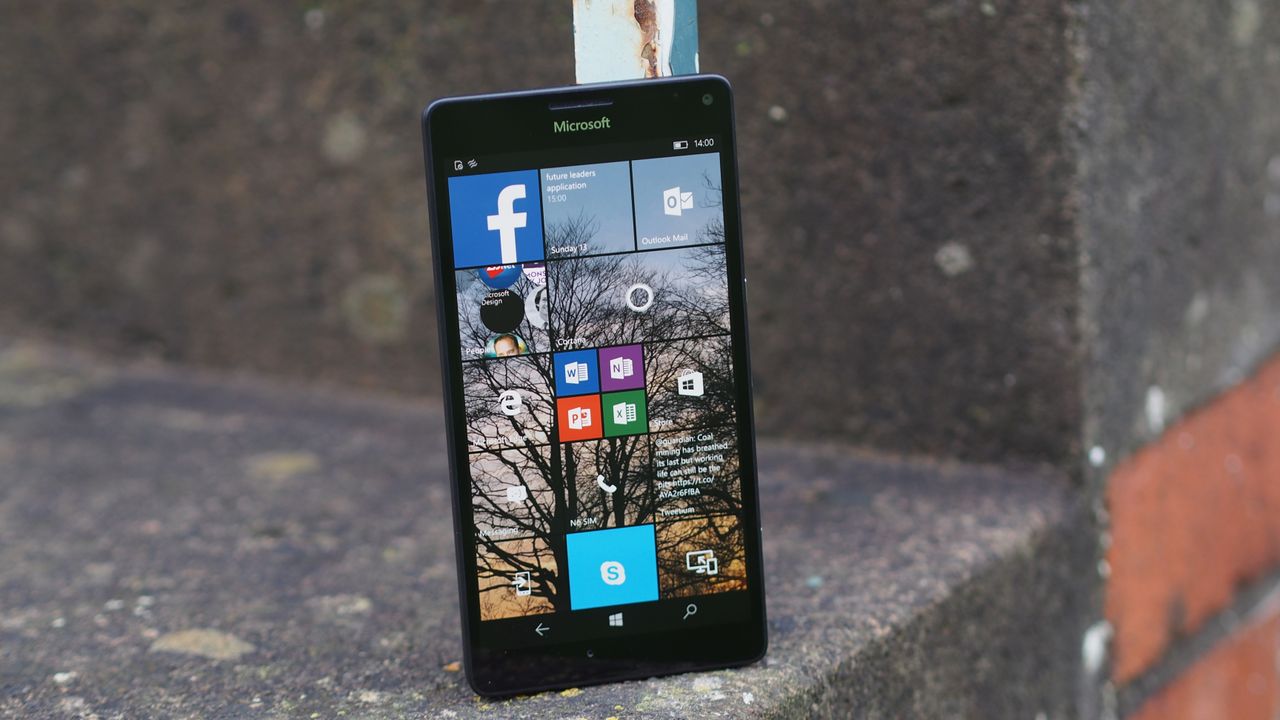
The removable battery also made the phone feel practical in a way many modern phones do not. The Lumia 950 XL had a large battery, Quick Charge support, and the option to swap in a fresh cell when needed. For heavy users, that was a major advantage. Instead of worrying about battery degradation or carrying a charger everywhere, you could simply replace the battery.
Then there was Continuum.
Continuum was one of Microsoft’s most ambitious mobile ideas. You could connect the Lumia 950 XL to a monitor or TV and use it almost like a lightweight PC. It was not a full desktop replacement, but it gave the phone a sense of possibility that most smartphones did not have at the time.
For simple work, browsing, email, and media, it could be surprisingly useful. It also fit Microsoft’s bigger dream: one device that could move between phone, tablet, and desktop style experiences.
That dream never fully arrived, but the idea was ahead of its time.
The last reason was Windows 10 Mobile itself. It had problems, but it also had charm. Live Tiles were genuinely useful. The interface felt different from Android and iOS. Microsoft apps and services felt more native there than they often did elsewhere. For people already invested in Outlook, OneDrive, Groove, Xbox, Cortana, and other Microsoft services, the Lumia 950 XL could feel like the most complete version of that ecosystem.
The app gap was still a problem. Some major apps were missing, and many third party apps lagged behind their iOS and Android versions. But for users who did not care about Snapchat, mobile games, or certain niche apps, the gap was easier to live with.
That is what made the Lumia 950 XL interesting. It was not the best phone for everyone. It was not even the smoothest or most polished phone of its time. But it had a clear identity.
It had a great screen, a strong camera, a physical shutter button, a removable battery, Continuum, and an operating system that still felt distinct. It was a phone for people who wanted Microsoft’s mobile vision to work, even when the market had already moved on.
Today, the Lumia 950 XL feels like a time capsule. It reminds us of a period when Microsoft was still trying to build a third mobile platform, and when Windows fans were willing to experiment, troubleshoot, and defend something they believed in.
The phone had flaws. The platform had bigger ones. But the Lumia 950 XL still had character, and that is why people remember it so fondly.



Discussion (0)
Be the first to comment.