


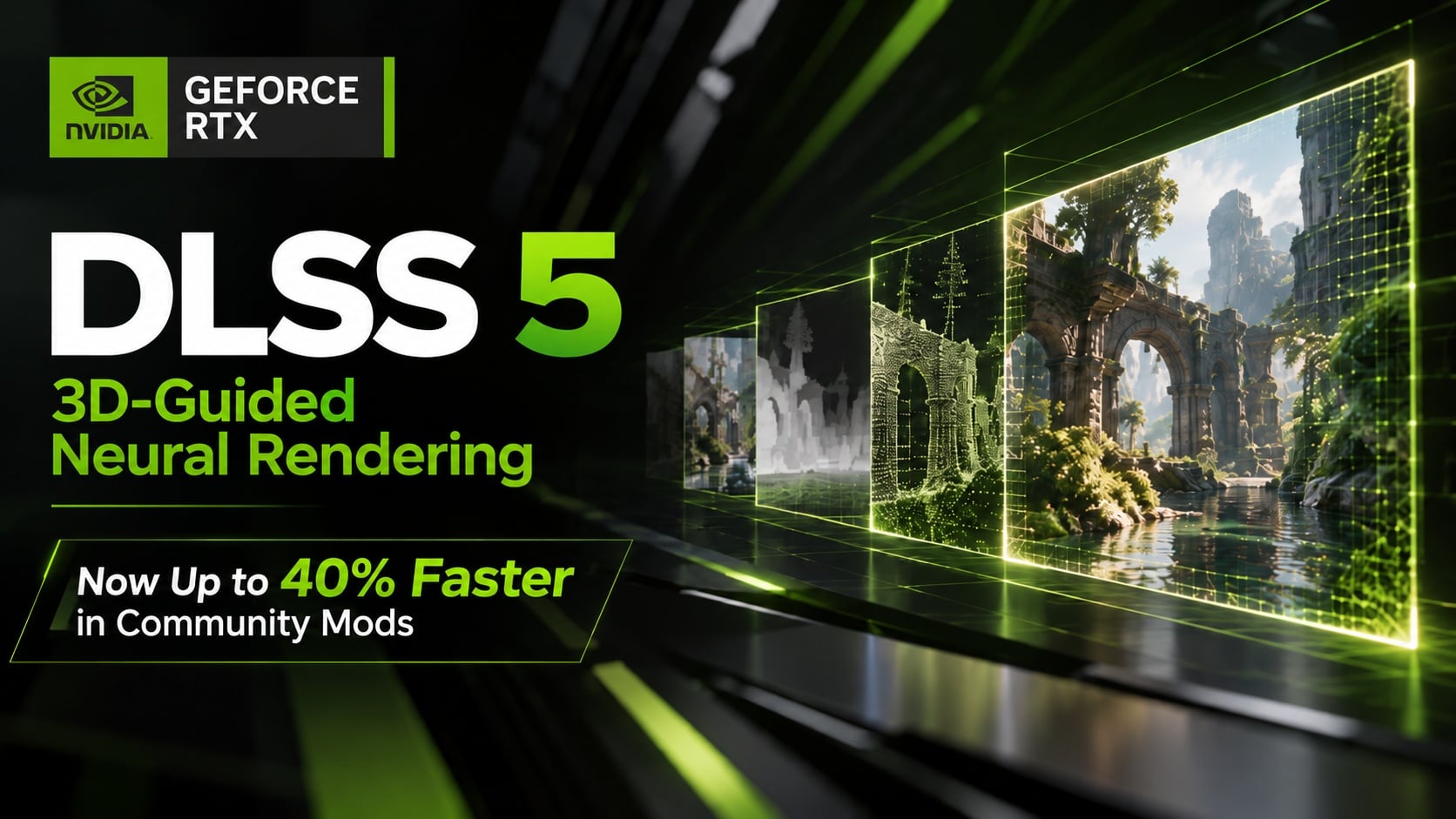
War Thunder art director Kirill Stupin has defended NVIDIA's DLSS 5 technology, arguing that much of the criticism surrounding its visual quality comes from unofficial modifications that use exaggerated settings and alter the game's original appearance.
According to Stupin, the official DLSS 5 implementation in War Thunder follows the development team's artistic direction, while some videos circulating online use extreme configurations that produce results the developers never intended.
The comments arrive as NVIDIA continues expanding DLSS 5 support across more games and working to reduce the technology's demanding hardware requirements.
Stupin also acknowledged that concerns about AI generated visuals and the substantial performance cost are legitimate reasons for some players to remain skeptical.
However, he believes the reception among War Thunder players who have experienced the official implementation has been considerably more positive.
War Thunder Developer Says Official DLSS 5 Preserves the Game's Art Style
Stupin explained that War Thunder's development team implemented DLSS 5 according to its own visual requirements.
The goal was to improve the game's presentation without introducing changes that conflict with the original artistic direction.
He said players with compatible hardware who have tested the technology in War Thunder have generally responded positively to its appearance.
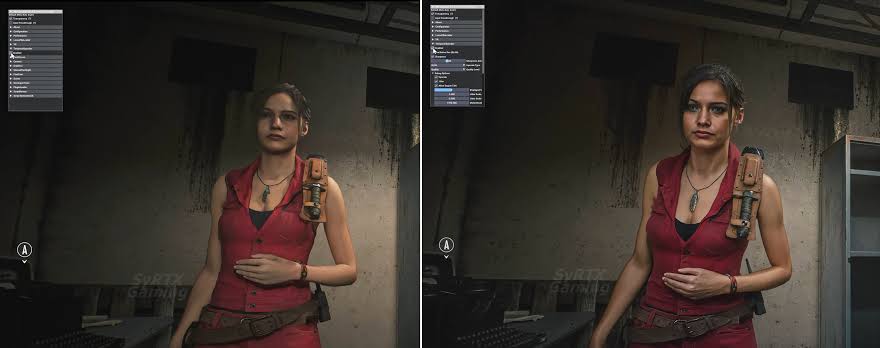
However, some unofficial demonstrations use modified settings that significantly change how the game looks.
These configurations can produce exaggerated lighting, textures and other visual effects that may not reflect the developer's intended result.
Stupin suggested that certain fan modifications deliberately use unrealistic settings to attract attention online.
His comments indicate that the official implementation and community modified versions should be evaluated separately.
Nevertheless, the existence of extreme modifications does not mean every criticism of DLSS 5 is unfounded.
Questions about artistic control, hardware demands and the role of AI in graphics rendering remain relevant regardless of how individual demonstrations are configured.
NVIDIA DLSS 5 Faces Criticism Over AI Generated Visual Changes
NVIDIA introduced DLSS 5 during GTC 2026 in March, presenting a new generation of neural rendering technology.
Unlike earlier DLSS improvements that primarily focused on upscaling and frame generation, DLSS 5 introduces additional AI processing intended to improve the visual appearance of supported games.
The technology has generated divided reactions because some demonstrations show substantial changes to the original image.
Critics argue that these changes can interfere with a game's established visual design, particularly when neural rendering settings are pushed beyond reasonable limits.
Other players and developers believe the technology can improve visual quality when implemented carefully.
Stupin acknowledged that the initial DLSS 5 demonstration featured significant visual changes, making concerns about artistic consistency understandable.
As an art director, he recognized why players would question whether AI enhanced graphics accurately represent what artists originally created.
DLSS 5 Performance Requirements Remain a Major Concern
Hardware requirements are another important part of the discussion.
DLSS 5's neural rendering features require substantial GPU resources, which can affect frame rates depending on the selected configuration.
Stupin acknowledged that the visual improvements come with a performance cost.
NVIDIA has already introduced a lighter DLSS 5 model intended to reduce the processing burden.
The newer version reportedly provides significant performance improvements while retaining much of the visual enhancement offered by the original implementation.
However, the report does not provide specific benchmark results demonstrating how much performance improves in War Thunder.
NVIDIA is also expected to continue optimizing the technology as it works toward broader hardware compatibility, including planned support for GeForce RTX 40 series graphics cards.
More Games Are Receiving Official DLSS 5 Support
DLSS 5 support has expanded through official game integrations, with additional titles expected to receive the technology.
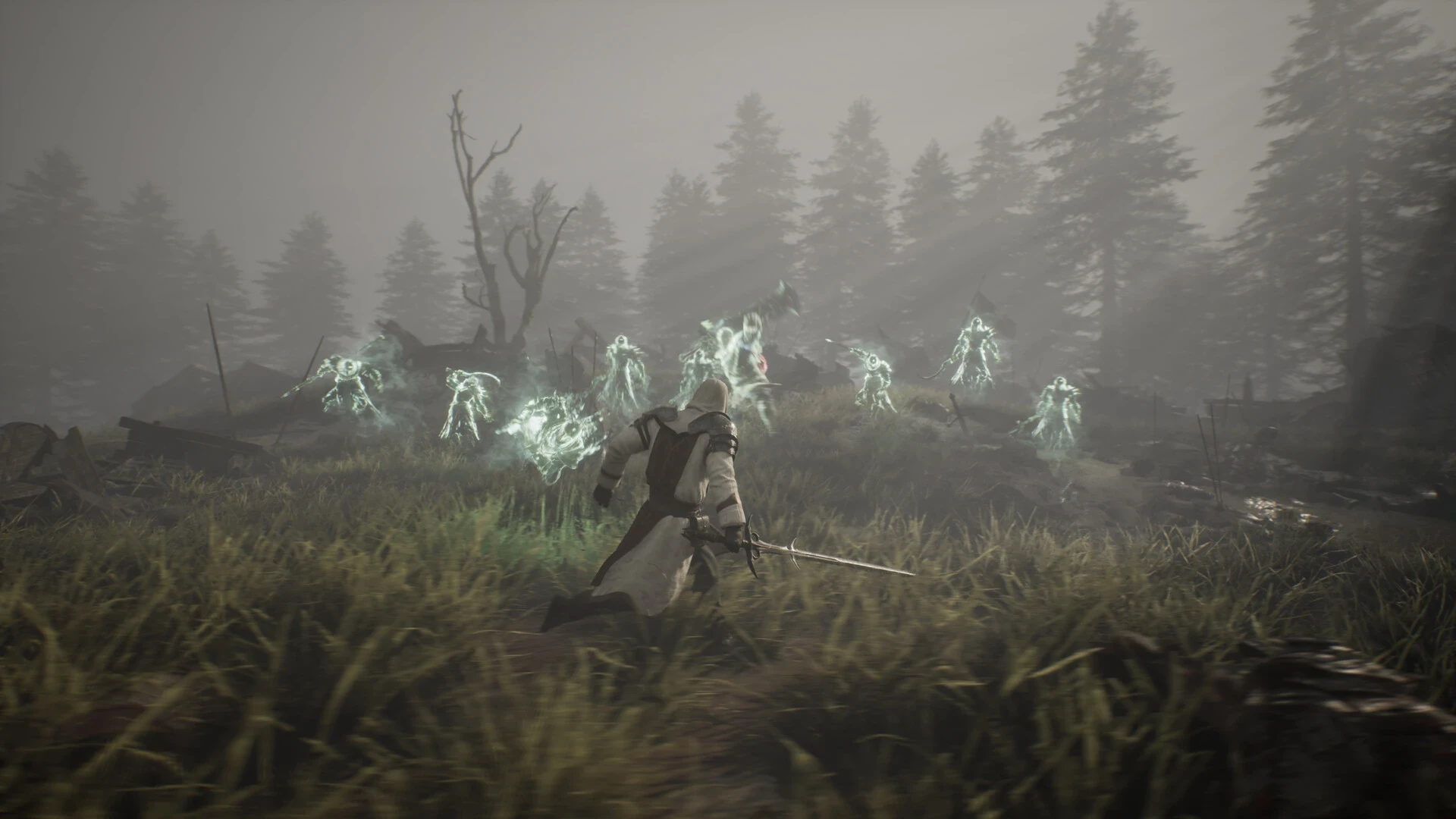
War Thunder is among the games already implementing neural rendering through developer controlled settings.
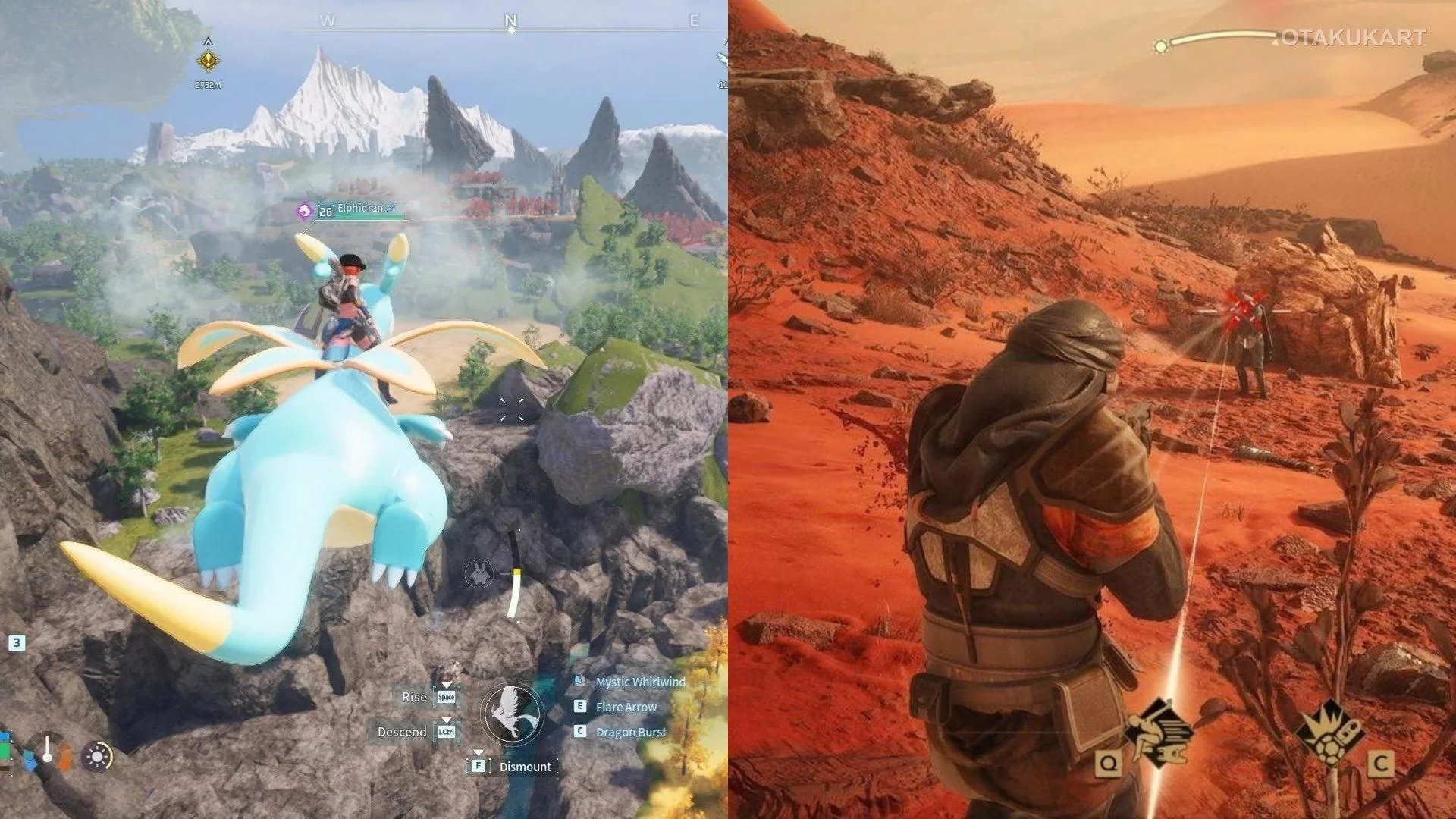
Other titles associated with recent DLSS 5 support include Metro 2033, Metro: Last Light Redux and Hogwarts Legacy.
Where Winds Meet is also expected to receive support later in November.
The expansion gives developers additional opportunities to determine how neural rendering should interact with their games' existing assets and visual styles.
Official implementations can also provide a more consistent experience because developers can test the technology against their intended lighting, environments and character designs.
Developer Control Could Shape How DLSS 5 Is Received
The debate around DLSS 5 reflects wider questions about how AI should be used in game graphics.
Some players welcome improvements to visual detail and lighting, while others prefer developers to maintain strict control over the original appearance of their games.
Stupin's position is that the technology can deliver useful improvements when configured within an established artistic vision.
He also believes that extreme fan modifications have contributed to negative perceptions by presenting results that differ substantially from official implementations.
For now, DLSS 5 remains demanding hardware technology, and its visual results depend heavily on how individual games use it.
As NVIDIA expands support and introduces further optimizations, developer controlled implementations may provide a clearer picture of what the technology can achieve without unnecessarily changing a game's intended appearance.

Discussion (0)
Be the first to comment.