



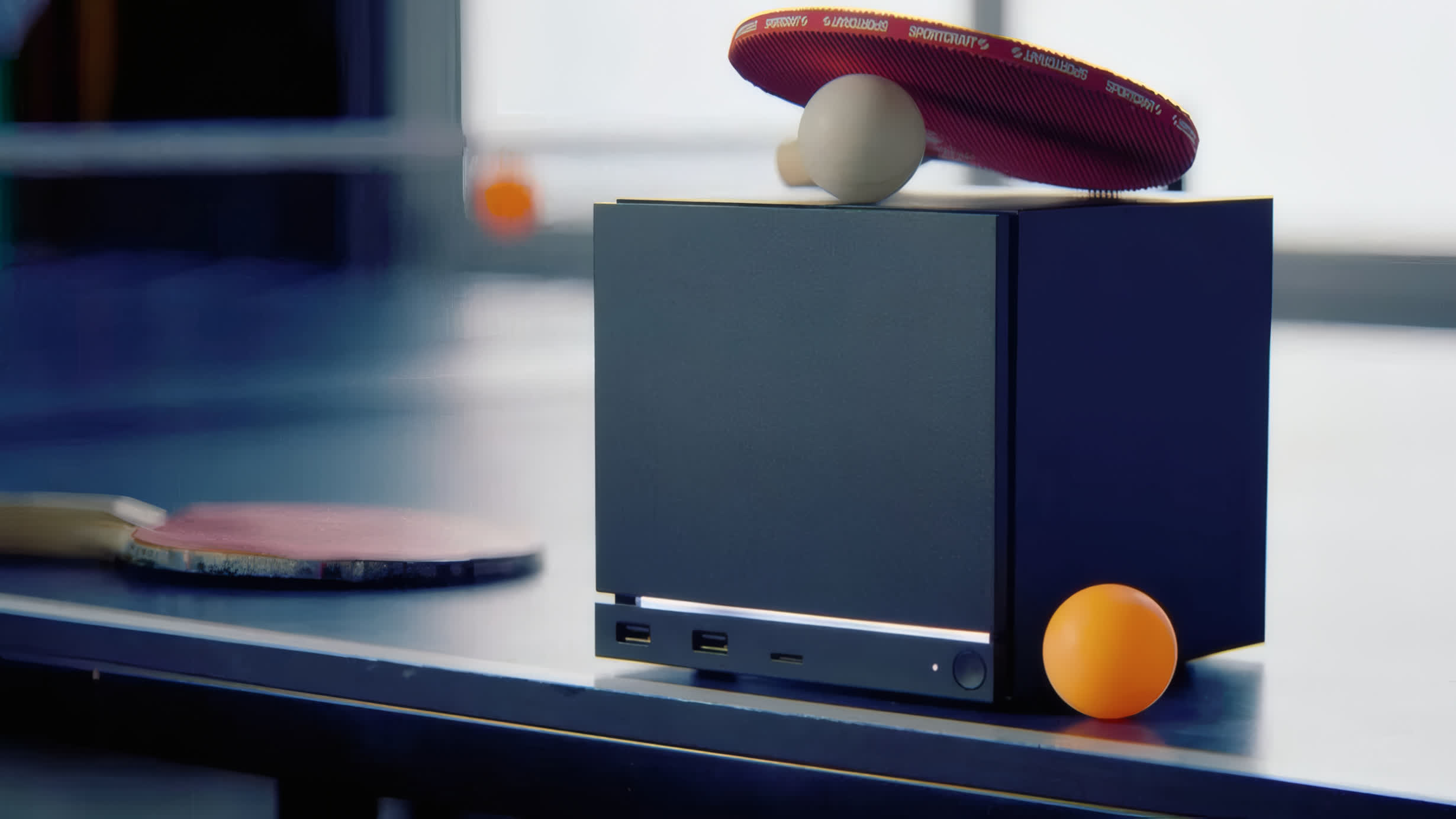
Valve’s new Steam Machine appears to have attracted strong early demand despite concerns about its starting price. Recent estimates suggest the compact gaming PC may be selling between roughly 8,700 and 15,600 units per week, potentially generating as much as $18 million in weekly revenue.
The Steam Machine launched on June 30, 2026, with prices starting at $1,049. Valve does not publish exact hardware sales figures, so the current numbers are estimates based on the product’s position in Steam’s revenue based top sellers chart.
The device currently holds the leading position in the United States chart and ranks second globally. That places it among games and products generating millions of dollars in weekly spending, indicating that the initial reservation queue has translated into meaningful sales.
Early demand may slow once Valve completes more reservations, but the available evidence suggests that the higher than expected price has not prevented enthusiasts from buying the system.
Steam rankings provide clues about weekly revenue
Steam’s top sellers chart ranks products by revenue rather than by the number of copies or units sold. This makes it possible to estimate Steam Machine sales by comparing its position with nearby games whose approximate revenue can be calculated.
The Steam Machine recently appeared between Counter Strike 2 and Palworld in the global chart. Counter Strike 2 generates revenue through cases, tournament items, stickers, and marketplace activity, even though the game itself is free to play.
Its total weekly activity is estimated at between $19 million and $20 million, creating a possible upper boundary for the Steam Machine. Games occupying the position below the hardware commonly generate between $7 million and $9 million per week following a major launch or update.
Based on those limits, weekly Steam Machine revenue could fall somewhere between $10 million and $18 million.
| Estimated scenario | Weekly revenue | Approximate units sold |
|---|---|---|
| Lower estimate | $10 million | 8,700 |
| Middle estimate | $14 million | 12,100 |
| Upper estimate | $18 million | 15,600 |
These calculations assume that approximately 65 percent of customers buy the 512GB model, while the remaining 35 percent choose the more expensive 2TB configuration. A different sales split would change the estimated number of units.
The figures also represent revenue rather than profit. Manufacturing, shipping, retailer operations, customer support, taxes, and other expenses would reduce the amount Valve keeps.
The $1,049 starting price has not stopped early demand
The Steam Machine faced criticism when preorders opened because its starting price was higher than many buyers expected. Valve had reportedly planned to introduce the system at a considerably lower price, but component shortages affected those plans.
Memory and storage costs have also influenced other Valve products. The company increased Steam Deck pricing when the handheld returned to stock in May following supply constraints.
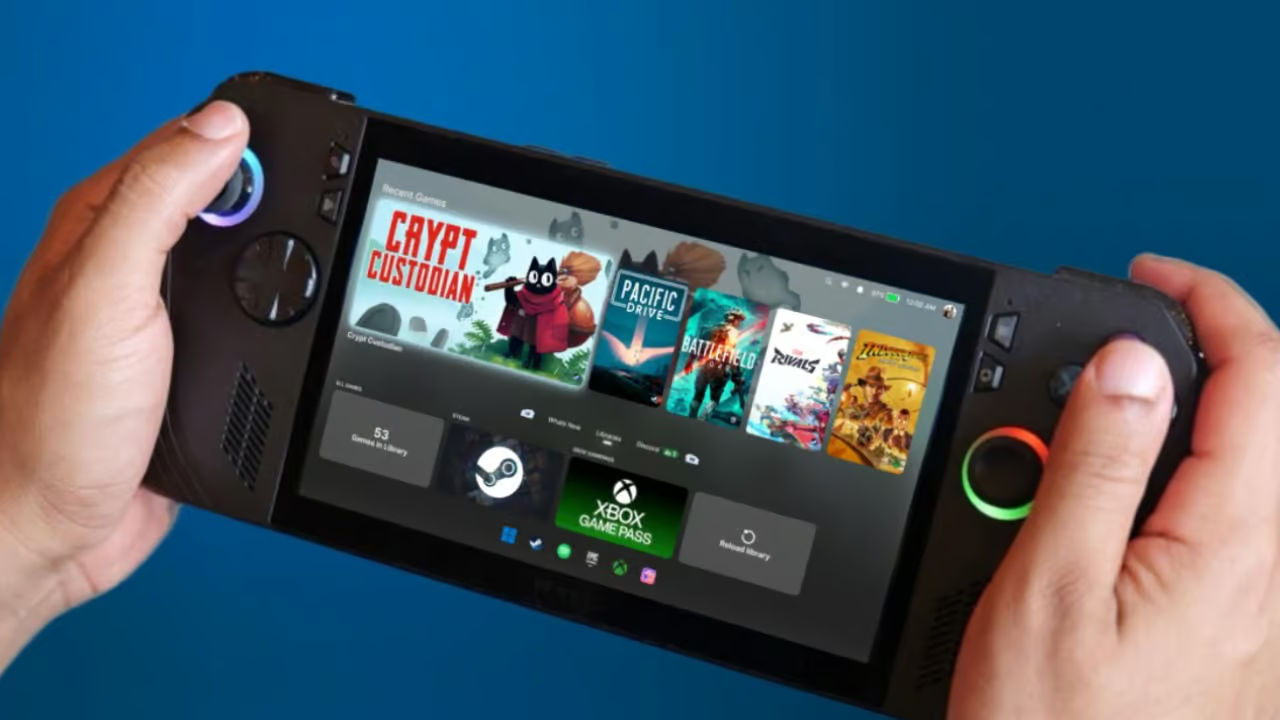
Even with those pressures, the Steam Machine has maintained a strong chart position. It currently ranks ahead of most paid games in the United States. In the United Kingdom, the Steam Deck remains the leading hardware product, while the Steam Machine sits behind it.
The results suggest that Valve’s existing audience is willing to pay a premium for a living room friendly PC that integrates closely with Steam. The device may appeal to players who want a console style experience without leaving their PC game library behind.
Early rankings do not guarantee long term sales
Launch demand is often driven by enthusiasts, existing Valve customers, and buyers who reserved the product early. Weekly sales may fall once the initial queue is cleared and the most interested customers receive their systems.
The Steam Machine’s longer term performance will depend on availability, software support, game compatibility, pricing, and whether Valve can reduce production costs. Competition from conventional gaming PCs, consoles, and handheld devices will also influence demand.
Valve’s new Steam Controller has reportedly experienced strong interest as well, which may help create a broader hardware ecosystem around the Steam Machine.
Without official numbers, the estimate cannot confirm exactly how many systems have been sold. However, the product’s position in the revenue chart supports the view that its opening weeks have been successful. Even the conservative calculation points to thousands of units being sold each week, while the higher estimate places weekly sales above 15,000.



Discussion (0)
Be the first to comment.