



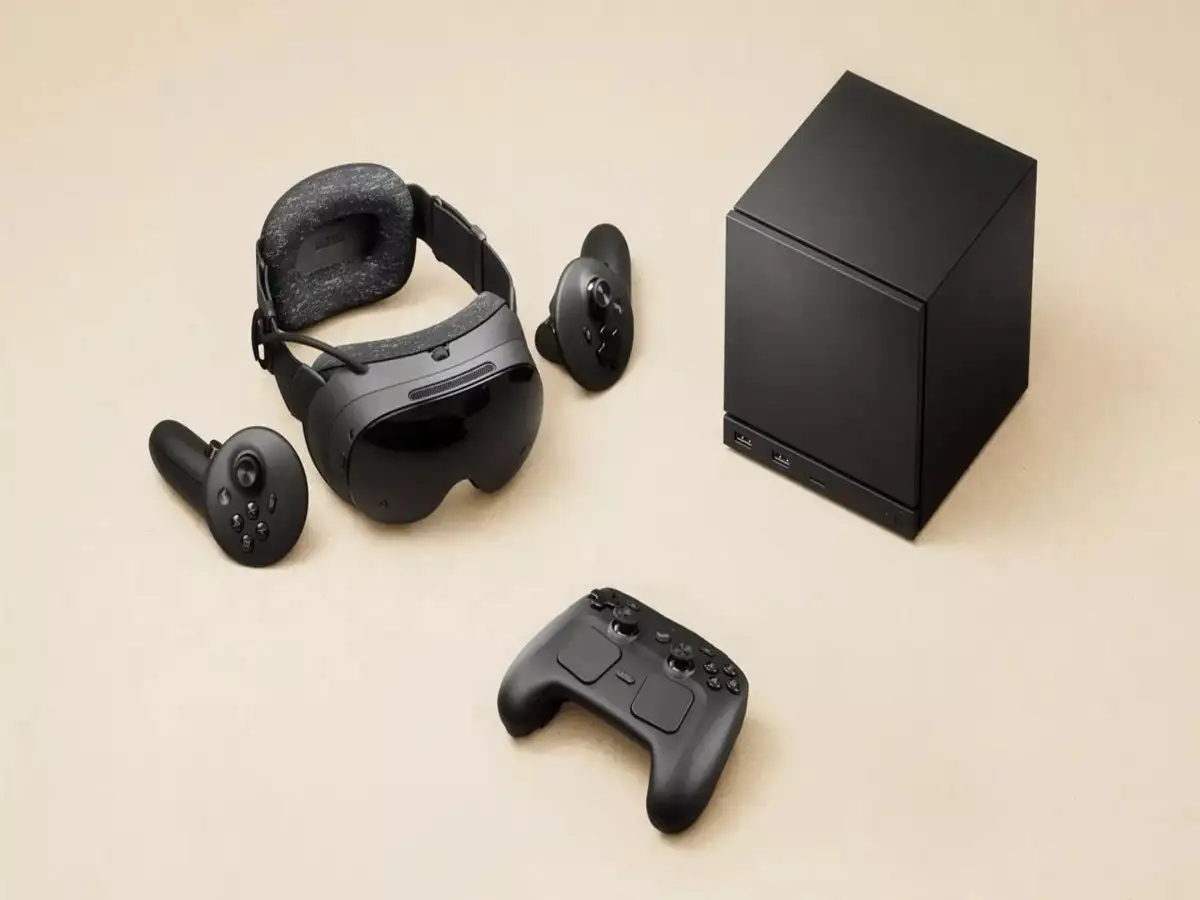
Valve has warned that the component shortage affecting gaming hardware is continuing to worsen, raising concerns that the Steam Machine could become more expensive later in 2026.
The company has not announced a price increase for the device. However, Valve engineer Yazan Aldehayyat said prices for important components are still rising across the industry, while changes at retail usually appear several months later.
That delay means devices sold during the rest of 2026 could become more expensive even if their current prices remain unchanged for now. Memory has been one of the largest pressures, but rising costs can also affect storage, processors and other parts required to manufacture gaming systems.
The Steam Machine already starts at $1,049, placing it above many traditional consoles and some custom built gaming PCs. Any further increase would make Valve’s living room computer harder to recommend to buyers who are focused mainly on hardware value.
| Key detail | Current position |
|---|---|
| Steam Machine starting price | $1,049 |
| Confirmed price increase | No |
| Main concern | Component costs are continuing to rise |
| Retail price effect | May appear several months after industry increases |
| Expected pressure period | Remaining months of 2026 |
| Main affected components | Memory, storage and other PC hardware |
Retail prices may not yet reflect the latest cost increases
Hardware manufacturers do not always adjust prices immediately when components become more expensive. Companies may already hold inventory purchased under earlier agreements, allowing them to maintain existing retail prices temporarily.
Once those parts are used, newer and more expensive supplies begin entering production. This creates a delay between a change in the component market and the price paid by customers.
Valve’s warning suggests that the full impact of recent increases may not have reached shops yet. Devices produced later in the year could cost more even if demand remains steady.
The company did not say that the Steam Machine will definitely receive another price adjustment. Its comments were about the wider hardware market rather than a direct announcement concerning one product.
Still, the timing has led to concern because Valve has already said that memory availability is limiting how many Steam Machines it can manufacture. Higher costs and restricted supply can place pressure on both production volume and retail pricing.
The Steam Machine already faces questions about value
The Steam Machine is designed to provide a console style PC experience in the living room. It runs SteamOS and gives buyers access to a large PC game library without requiring them to build and configure a desktop system.
That convenience carries a premium. Some buyers can assemble a computer with comparable or stronger hardware for less money, particularly if they already own accessories or are willing to shop for discounted components.
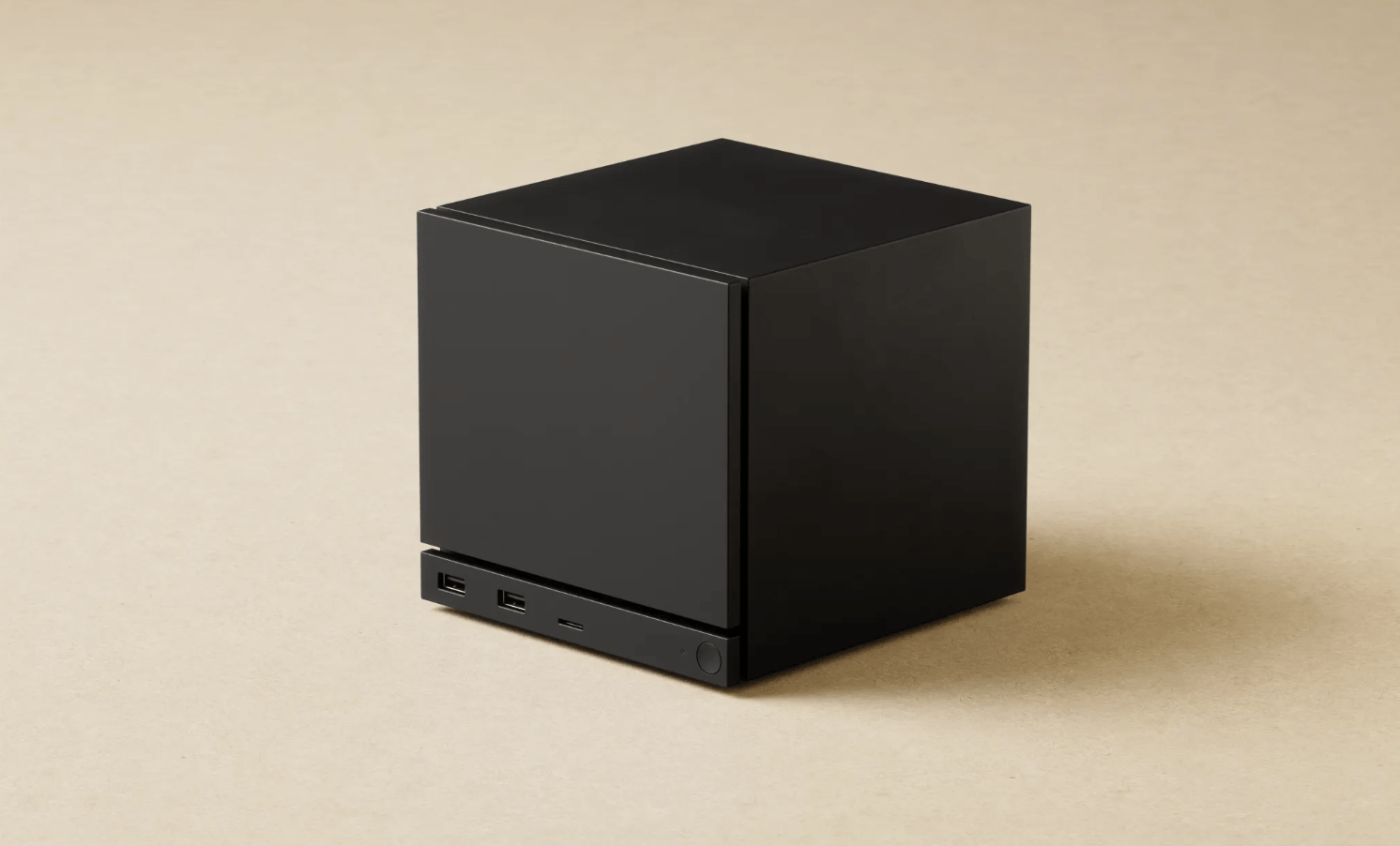
A custom PC may also offer easier upgrades. Owners can replace the graphics card, processor, memory or storage as their requirements change. The Steam Machine provides a simpler experience, but its compact and integrated design offers less flexibility.
Valve has indicated that the product does not need to match the sales volume of major consoles to be successful. It is intended to solve a specific problem for people who want straightforward PC gaming on a television.
That argument becomes more difficult if the price rises substantially. At higher prices, buyers may compare the system with premium gaming laptops, powerful desktops and future consoles rather than smaller living room devices.
Memory supply remains a major challenge
The hardware market is facing strong demand for memory from artificial intelligence infrastructure and data centres. Manufacturers are directing more production towards high value enterprise products, which can reduce availability for consumer systems.
Gaming devices require several types of memory and storage. Higher prices for RAM and solid state drives can quickly increase manufacturing costs, especially when companies produce hardware in large quantities.
Valve has said it is building as many Steam Machines as its available supply allows. That suggests demand is not the only limitation. The company must also secure enough components at prices that support its current retail strategy.
A price increase remains speculation until Valve makes an official announcement. The warning does show that the conditions behind recent hardware inflation have not improved.
For anyone considering a Steam Machine, the current message is clear. There is no confirmed increase, but falling prices should not be expected soon, and the broader component crisis could make the device more expensive before the end of 2026.



Discussion (0)
Be the first to comment.