



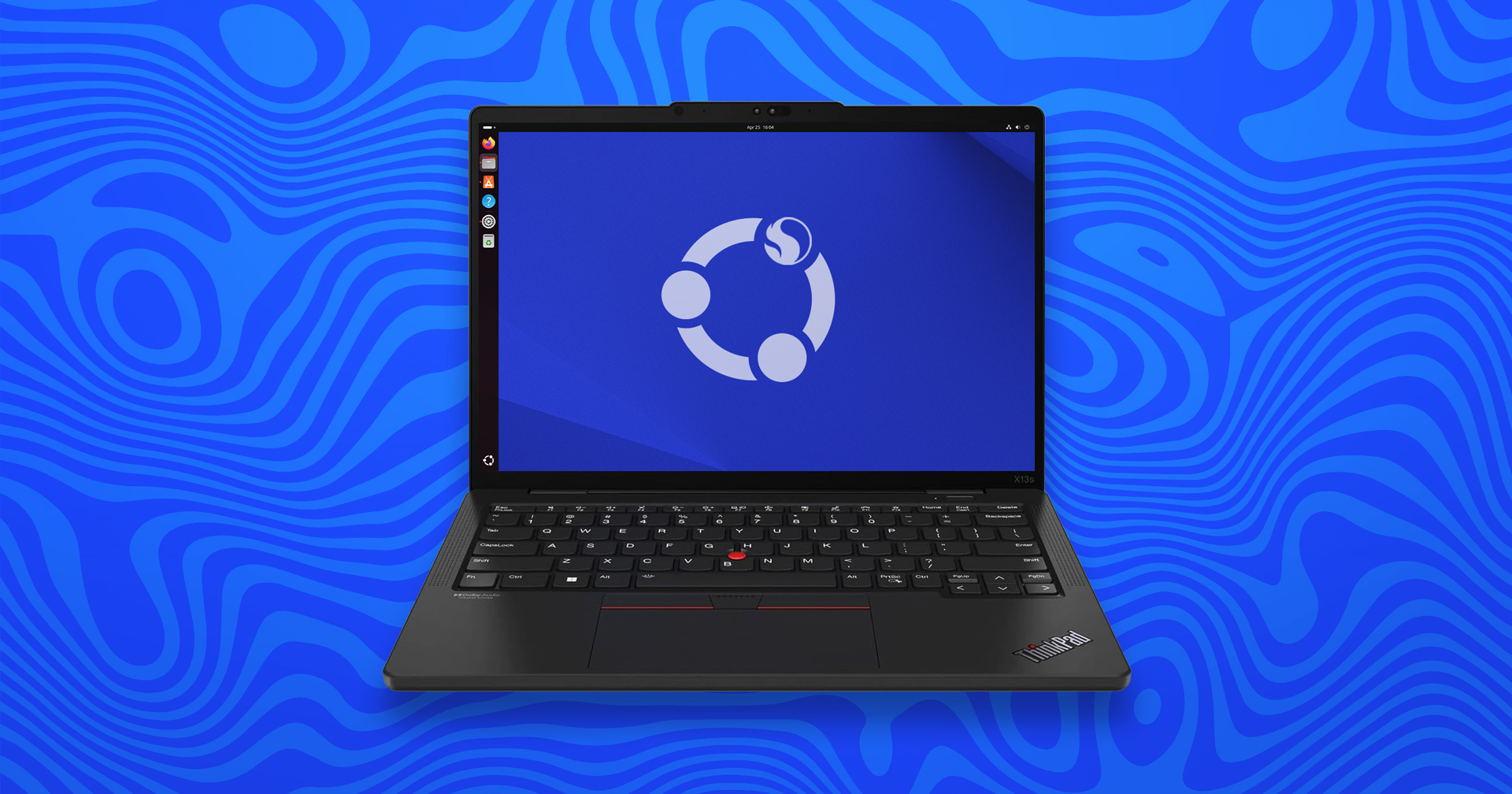
Canonical has officially promoted the Arm64 version of Steam Snap to the Stable channel, making PC gaming on Arm based Linux systems much easier. After months of testing, the company now considers the release ready for everyday use, giving owners of Snapdragon laptops, Nvidia DGX Spark systems, and other Arm hardware a more reliable way to access Steam games.
The move is significant because gaming has traditionally been one of the biggest challenges for Arm based desktop and laptop systems. Most PC games are built for x86 processors, which means Arm devices need compatibility layers or emulation solutions to run them properly. Canonical is attempting to solve that problem through Steam Snap and the FEX emulator.
The Arm64 Steam Snap first appeared as a candidate release in January 2026. Since then, Canonical has gathered feedback from testers and refined compatibility before promoting it to the Stable channel.
According to Canonical, several categories of Arm hardware performed particularly well during testing. These include Nvidia's DGX Spark systems, Snapdragon powered laptops, and certain Arm based single board computers.
| Supported hardware examples | Platform type |
|---|---|
| Nvidia DGX Spark and GB10 devices | AI and desktop systems |
| Lenovo ThinkPad X13s and T14s | Snapdragon laptops |
| Dell XPS 9345 | Snapdragon laptop |
| Radxa Orion O5 and O6N | Single board computers |
The key technology behind the project is FEX, an x86 and x86-64 emulator for Arm64 systems. FEX allows Arm hardware to run software that was originally built for traditional PC processors. Canonical has integrated FEX into the Steam Snap package so users do not need to manually configure a complicated compatibility setup.
Advanced users can still adjust settings if needed. The software allows configuration of library forwarding features, often referred to as thunking. Vulkan, DRM, and OpenGL thunking options can also be manually enabled through configuration files.
These features can improve compatibility for certain games, though Canonical says results vary depending on the hardware and the title being played. Because behavior differs from game to game, the company does not automatically enable all of these options on every system.

The announcement also highlights a structured release process for future updates. New builds will first appear in the Edge channel, where experimental features can be tested quickly. After passing initial testing, releases move to the Candidate channel before eventually reaching Stable if no major issues are discovered.
That release process should help improve reliability for users who simply want gaming to work without constantly dealing with unfinished builds.
There is one important limitation. This is not an officially supported Valve project. While Steam itself comes from Valve, the Arm64 Steam Snap effort is being driven by Canonical and the Ubuntu community. That means compatibility improvements and bug fixes may not always move at the same pace as Valve's official Linux gaming initiatives.
Even so, the release represents another step forward for Arm based PCs. Qualcomm's Snapdragon processors, Nvidia's new RTX Spark platform, and other Arm powered devices are becoming increasingly common. Better gaming support is essential if those systems are going to compete with traditional x86 machines.
Gaming has often been one of the last barriers preventing wider Arm adoption on desktop operating systems. By making Steam easier to use on Arm64 Ubuntu systems, Canonical is helping reduce that gap.
The stable release does not mean every Steam game will suddenly run perfectly on Arm hardware. Compatibility will still vary, and performance depends heavily on the device, emulator settings, graphics drivers, and individual games. However, the move provides a much stronger foundation than before.
For Arm based Linux users, the result is simple: installing Steam is now easier, more stable, and better supported than it was just a few months ago. As Arm hardware continues to expand into laptops, desktops, and AI focused systems, that could become increasingly important for the future of Linux gaming.



Discussion (0)
Be the first to comment.