



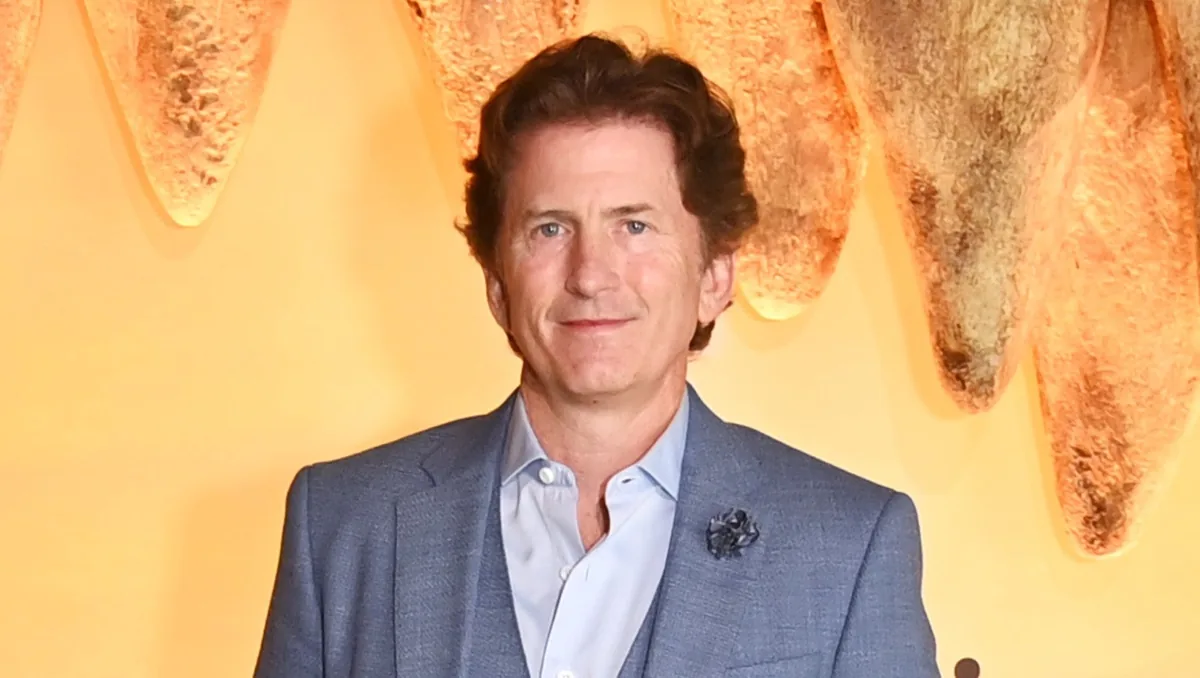
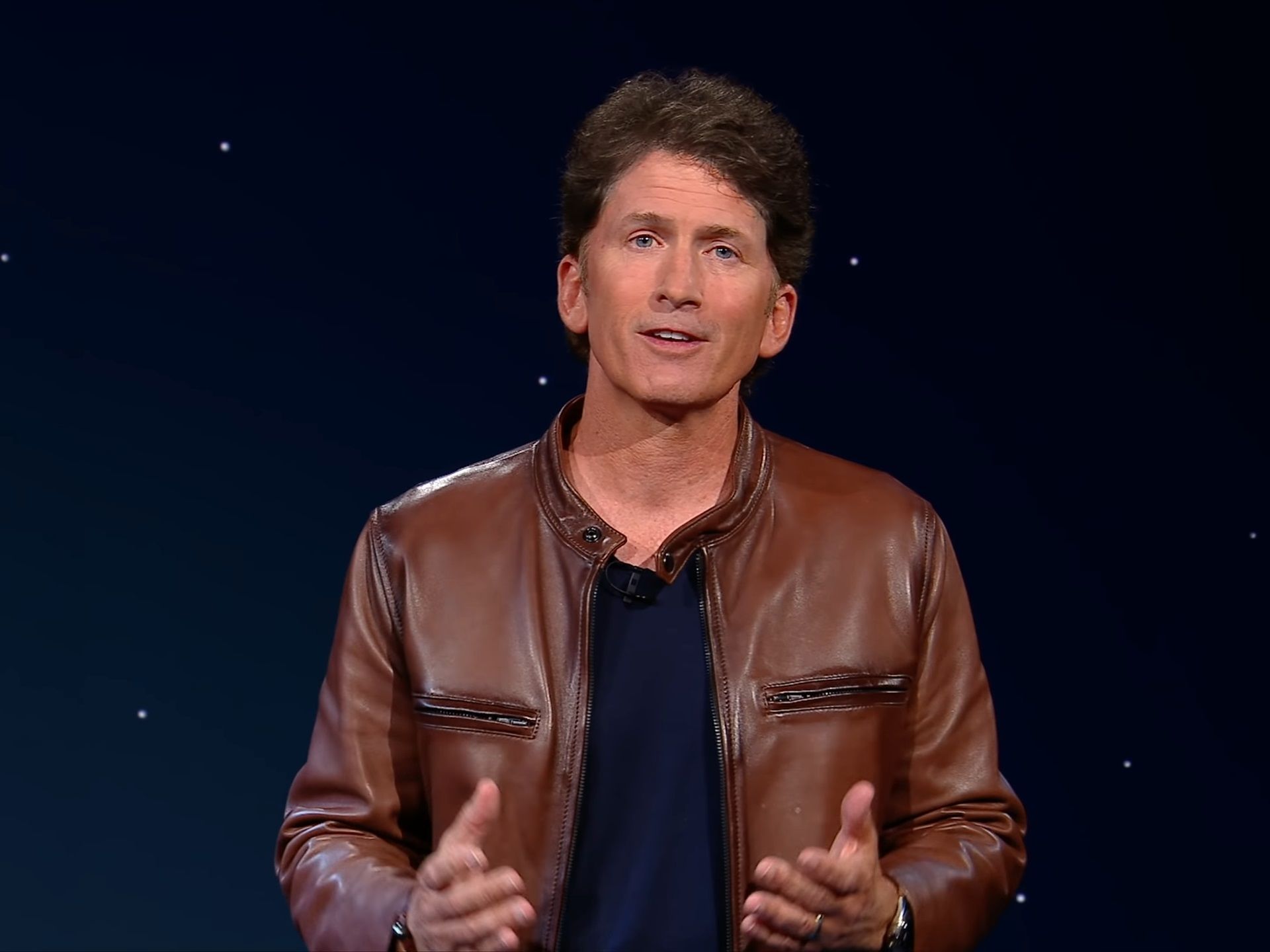
Bethesda studio director Todd Howard has spoken about the human impact of Microsoft’s recent Xbox layoffs, describing the situation as personally difficult for him and the teams that remain.
The cuts affected employees across several Xbox owned studios, including Bethesda, Obsidian Entertainment, id Software, and other development groups. Many of those who lost their jobs had worked alongside the same colleagues for years or even decades.
Howard acknowledged that losing experienced team members has been painful, but he also said Bethesda is continuing work on its major franchises. The studio recently confirmed that The Elder Scrolls VI remains in development, Fallout 5 has entered preproduction, and Starfield will continue receiving new content.
Obsidian is also developing a separate Fallout project, while Fallout 76 and The Elder Scrolls Online are expected to receive additional updates.
Bethesda is entering another major period of change
Howard described the current situation as another turning point in Bethesda’s long history.
The company celebrates its 40th anniversary in 2026, and it has already experienced several periods when changing technology, business conditions, and audience expectations forced it to reconsider how it develops games.
During the 1990s, Bethesda struggled before The Elder Scrolls III: Morrowind became a major success. The company later expanded under ZeniMax and added more studios to support its growing collection of franchises.
Another important shift began around 2016, when publishers faced pressure to invest in mobile games and ongoing multiplayer services. Bethesda responded with projects outside its traditional single player role playing games, including Fallout 76 and mobile titles.
Howard believes the wider games industry is now entering a similar adjustment period. Studios are reconsidering costs, production models, team structures, and the types of games that can remain commercially sustainable.
| Bethesda project | Current position |
|---|---|
| The Elder Scrolls VI | In active development |
| Fallout 5 | In preproduction |
| New Obsidian Fallout project | Confirmed |
| Starfield | More content planned |
| Fallout 76 | Additional updates expected |
| The Elder Scrolls Online | Additional updates expected |
Industry pressures extend beyond Microsoft and Xbox
Howard said the current disruption is not limited to Microsoft. Layoffs, studio closures, rising development costs, and changing audience behaviour have affected companies across the games industry.
Large publishers increasingly depend on a smaller number of expensive releases to produce strong financial results. At the same time, inflation, hardware costs, tariffs, and longer production cycles have made major games more expensive to create.
Younger audiences are also spending more time inside platforms such as Roblox, where games, social spaces, and player created content exist within the same ecosystem.
This creates a difficult environment for traditional studios. Publishers must decide how much to invest in long single player campaigns, multiplayer games, subscription services, mobile releases, and creator driven platforms.
Bethesda is trying to preserve its established approach while adapting to these changes. Its upcoming projects continue to focus on large worlds, player choice, exploration, and long term support from modding communities.
Creative variety gives Howard reasons for optimism
Despite the layoffs and uncertainty, Howard said he remains encouraged by the range of games being made across the industry.
He pointed to recent Game of the Year nominees as evidence that different genres and creative approaches can still succeed. The list included games with varied budgets, styles, and development backgrounds rather than a group of releases following the same commercial formula.
That variety matters because developers have often worried that certain genres could disappear if publishers considered them too risky. Adventure games, smaller experimental projects, and unusual role playing experiences can struggle to receive funding when companies focus only on predictable blockbusters.
Howard believes the current creative landscape shows that audiences still respond to distinctive ideas. From a player’s perspective, he sees more variety than during periods when many major releases followed similar designs.
Bethesda’s development teams remain the main source of confidence
Howard said his optimism comes largely from seeing Bethesda’s work internally.
Development teams continue improving their games each week, even as the company adjusts to fewer employees and a changing organisational structure. He described the remaining developers as passionate about the projects they are building.
The Elder Scrolls VI is Bethesda’s primary development focus. Fallout 5 is at an earlier stage, while Obsidian’s separate Fallout project could expand the franchise before the numbered sequel arrives.
Bethesda has not announced release dates for these games. The Elder Scrolls VI has been in development for several years, but the studio has avoided committing to a launch window. Fallout 5 is even further away because it remains in preproduction.
The company will need to prove that its revised teams can deliver projects at the expected quality while avoiding unreasonable workloads. Layoffs can remove valuable experience and place additional pressure on those who remain.
Howard’s comments do not remove those concerns, but they show that Bethesda intends to continue supporting its largest franchises. The studio is treating the current period as another difficult transition rather than the end of its established development model.



Discussion (0)
Be the first to comment.