




Valve’s Steam Deck OLED has become much more expensive, and Epic Games CEO Tim Sweeney is using the moment to take a public shot at the company. The new pricing raises the 512GB Steam Deck OLED from $549 to $789, while the 1TB model has jumped from $649 to $949. That means buyers are now paying $240 more for the 512GB model and $300 more for the 1TB model compared with launch pricing.
The increase changes the Steam Deck’s value story in a major way. For years, Valve’s handheld stood out because it offered a simple and relatively affordable route into portable PC gaming. It was not always the most powerful handheld, but the price made its limits easier to accept. Now, the OLED model is moving into a price range where buyers will compare it more directly with Windows handhelds from ASUS, Lenovo, MSI, and other brands.
Sweeney responded to the price hike with sarcasm, arguing that higher component costs are ultimately being paid by Steam customers. He also made a personal jab about the supply chain for expensive yachts, a clear reference to Valve co founder Gabe Newell’s known interest in superyachts.
The Steam Deck OLED price rise gives Epic another chance to attack Valve
This is not only about one handheld. Epic and Valve have been on opposite sides of a long running debate over PC game stores, platform fees, and market control. Epic has repeatedly criticized Steam’s 30 percent store cut, while Valve has largely avoided public fights on the subject.
| Steam Deck OLED model | Old price | New price | Increase |
|---|---|---|---|
| 512GB OLED | $549 | $789 | $240 |
| 1TB OLED | $649 | $949 | $300 |
Valve has not issued a detailed public explanation for the new pricing beyond noting the change. The company had already warned that memory and storage shortages were affecting Steam Deck OLED availability, so component costs appear to be part of the broader problem.
Still, the size of the increase is hard to ignore. A $949 Steam Deck OLED sits in uncomfortable territory. At that price, some buyers may start looking at more powerful handheld PCs, gaming laptops, or even waiting for future devices instead of buying Valve’s current hardware.
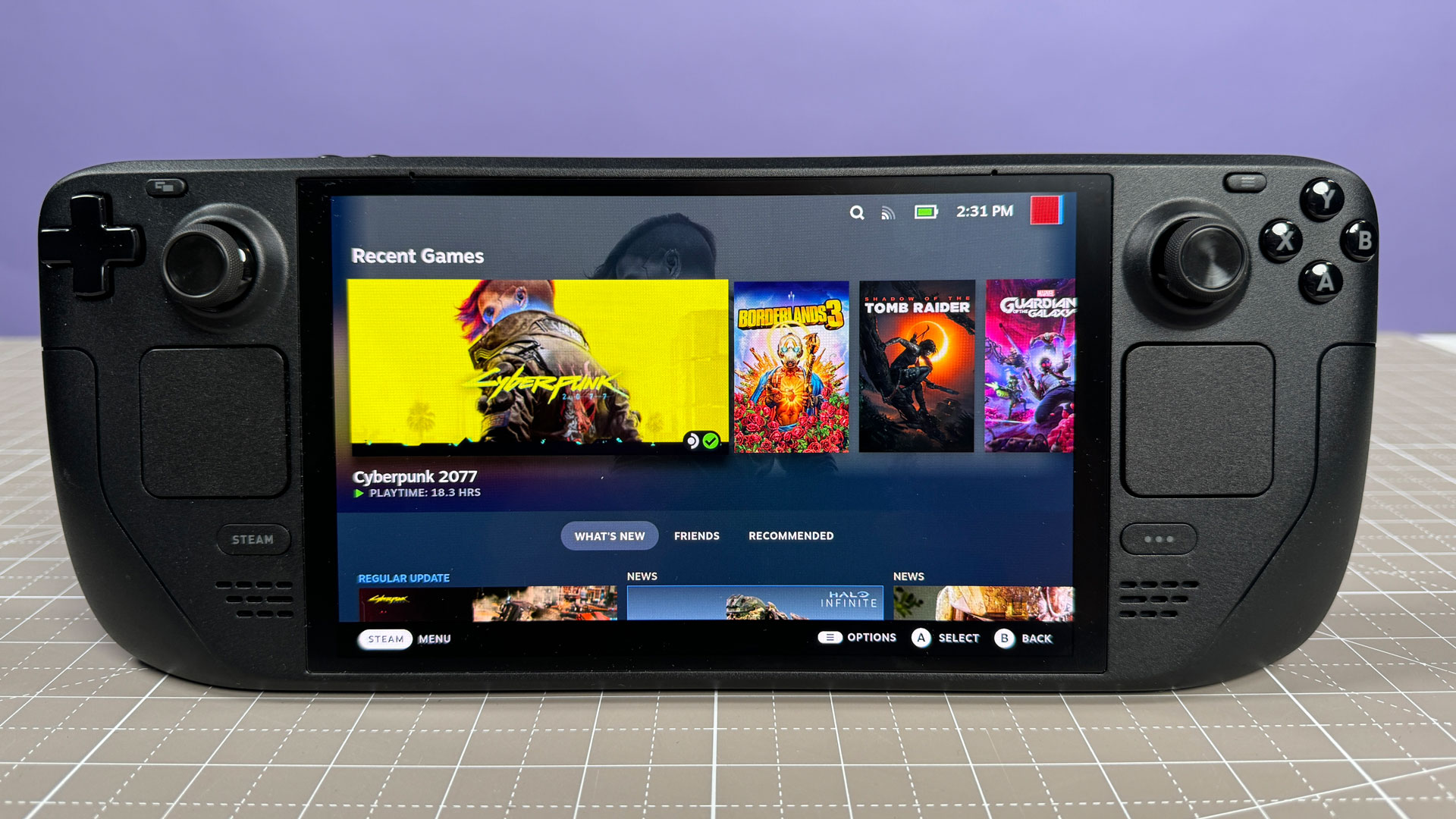
The timing also makes the market more complicated. Handheld gaming PCs are no longer rare. ASUS has the ROG Ally line, Lenovo has the Legion Go family, MSI has the Claw, and more companies are entering the space. Some of these devices were once criticized for being too expensive compared with the Steam Deck, but Valve’s new pricing weakens that comparison.
To be fair, the Steam Deck still has major strengths. SteamOS is smoother than Windows for handheld use, Valve’s software support is strong, and the OLED model remains one of the easiest portable PC gaming devices to recommend from a usability standpoint. But value is a big part of the Steam Deck’s appeal, and that value is now less clear.
Sweeney’s criticism also raises an obvious question: if Epic thinks Valve should absorb more cost, could Epic ever make its own cheaper handheld? That would be difficult. Hardware is expensive, margins are tight, and building a good handheld ecosystem requires far more than selling a device at a low price. Valve has spent years refining SteamOS, Proton, Steam Input, and compatibility tools.
For now, the Steam Deck OLED price hike gives Epic an easy talking point. It lets Sweeney criticize Valve’s pricing, Steam’s business model, and Valve’s market power all at once. But for players, the issue is simpler. The Steam Deck OLED is now much more expensive, and that makes every competing handheld look more interesting than it did a few weeks ago.



Discussion (0)
Be the first to comment.