


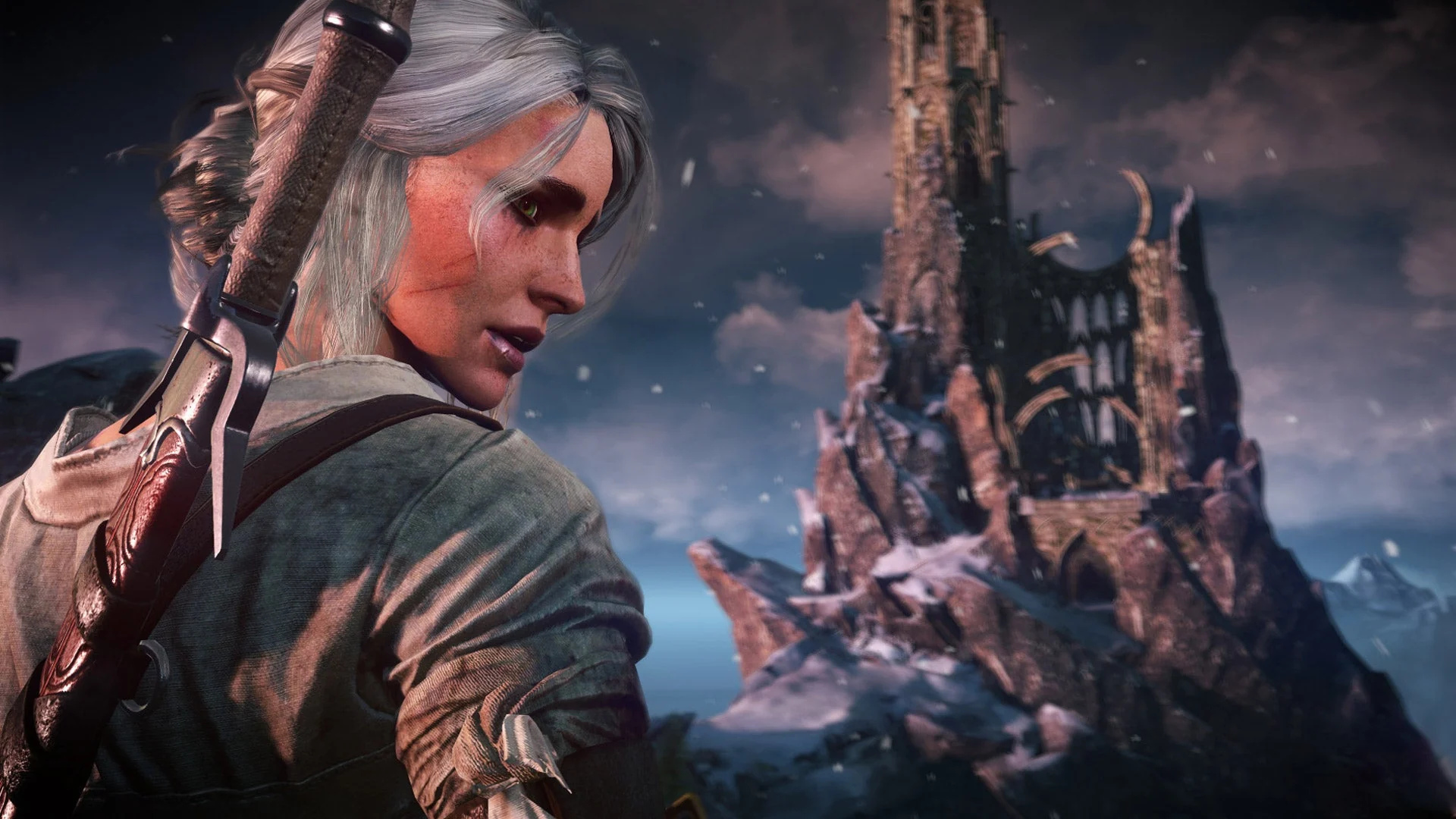
Paweł Sasko, the former lead quest designer of The Witcher 3: Wild Hunt and current associate game director of Cyberpunk 2, has revealed how one of the RPG's most emotional moments helped him better understand video game storytelling.
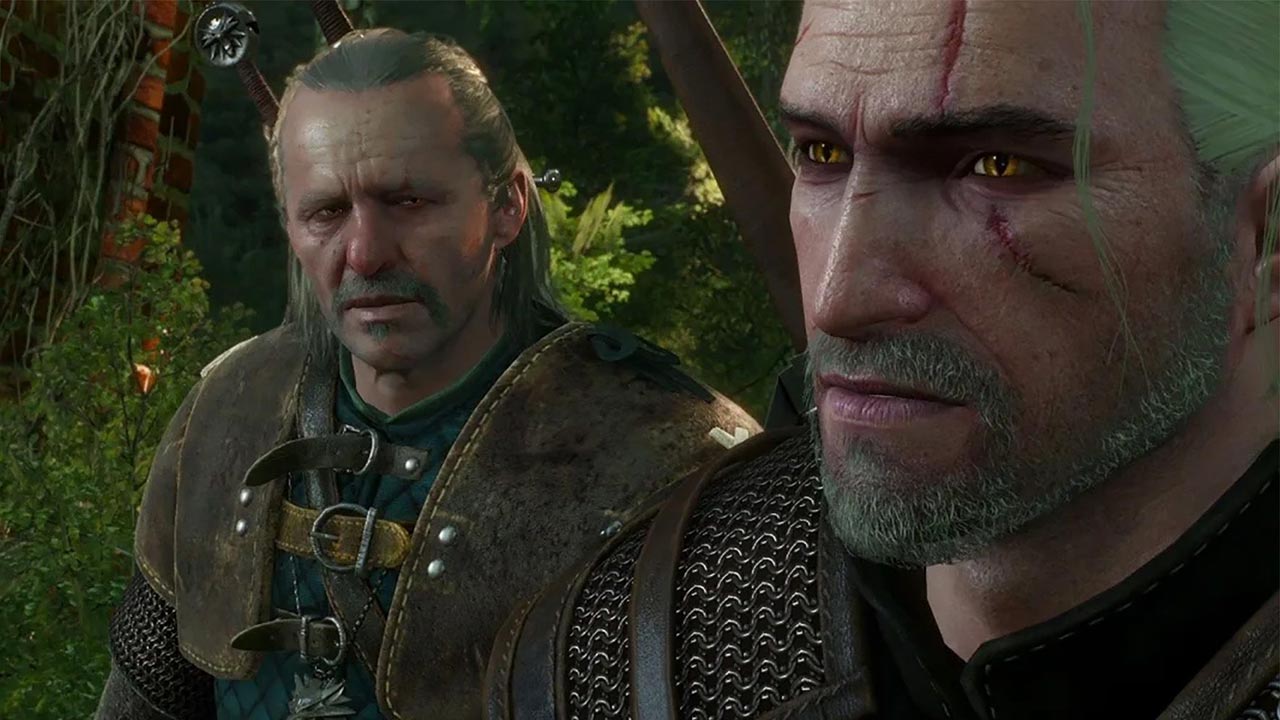
Reflecting on the development of The Witcher 3, Sasko explained that the decision to kill Vesemir during the Battle of Kaer Morhen initially left his colleagues stunned.
The scene became one of the game's defining story moments, but its development required extensive experimentation, technical revisions, and collaboration.
Sasko said the experience taught him important lessons about designing quests that combine gameplay, character development, and emotional consequences.
The following discussion contains major story spoilers for The Witcher 3.
Vesemir's Death Was Necessary for Ciri's Character Development
During the Battle of Kaer Morhen, Geralt and his allies attempt to defend the fortress against the Wild Hunt.
The confrontation ends with Vesemir, an experienced witcher and father figure to Geralt, being killed while protecting Ciri.
According to Sasko, the writing team initially reacted with shock when he proposed the character's death.
However, the developers eventually agreed that the moment was necessary to give the battle sufficient narrative weight.
Vesemir's death also provides the emotional trigger for Ciri's powerful response against the Wild Hunt.
The scene therefore serves an important purpose in the story, connecting a significant character loss with Ciri's developing abilities and emotional state.
The Battle of Kaer Morhen Required Several Redesigns
Sasko also described the technical difficulties involved in developing the sequence.
Early versions included meteors, portals opening throughout the forest, enemies emerging from those portals, and a horseback journey back to Kaer Morhen.
However, several ideas proved difficult to implement successfully.
Technical problems affected the sequence, while the structure of the quest sometimes made progression confusing.
Feedback from internal reviews was also negative, requiring Sasko to repeatedly rebuild sections of the encounter.
Through those revisions, he gradually understood why certain gameplay and storytelling elements worked while others failed.
He described the collaborative development process as particularly rewarding, with team members sharing ideas and improving one another's designs.
Lessons From The Witcher 3 Influenced Sasko's Later Work
Sasko subsequently served as lead quest designer on Cyberpunk 2077 and quest director on Phantom Liberty.
Both projects featured complicated character relationships, difficult choices, and significant narrative consequences.
His experience developing The Witcher 3 helped establish an approach to quest design that emphasizes the relationship between gameplay and storytelling.
Now working on Cyberpunk 2, Sasko continues to contribute to the development of narrative driven RPGs.
His recollection demonstrates how a memorable scene can emerge from repeated revisions rather than a single creative decision.
More than a decade after The Witcher 3's original release, the Battle of Kaer Morhen remains an example of how character development and gameplay can reinforce each other in a major RPG.

Discussion (0)
Be the first to comment.