



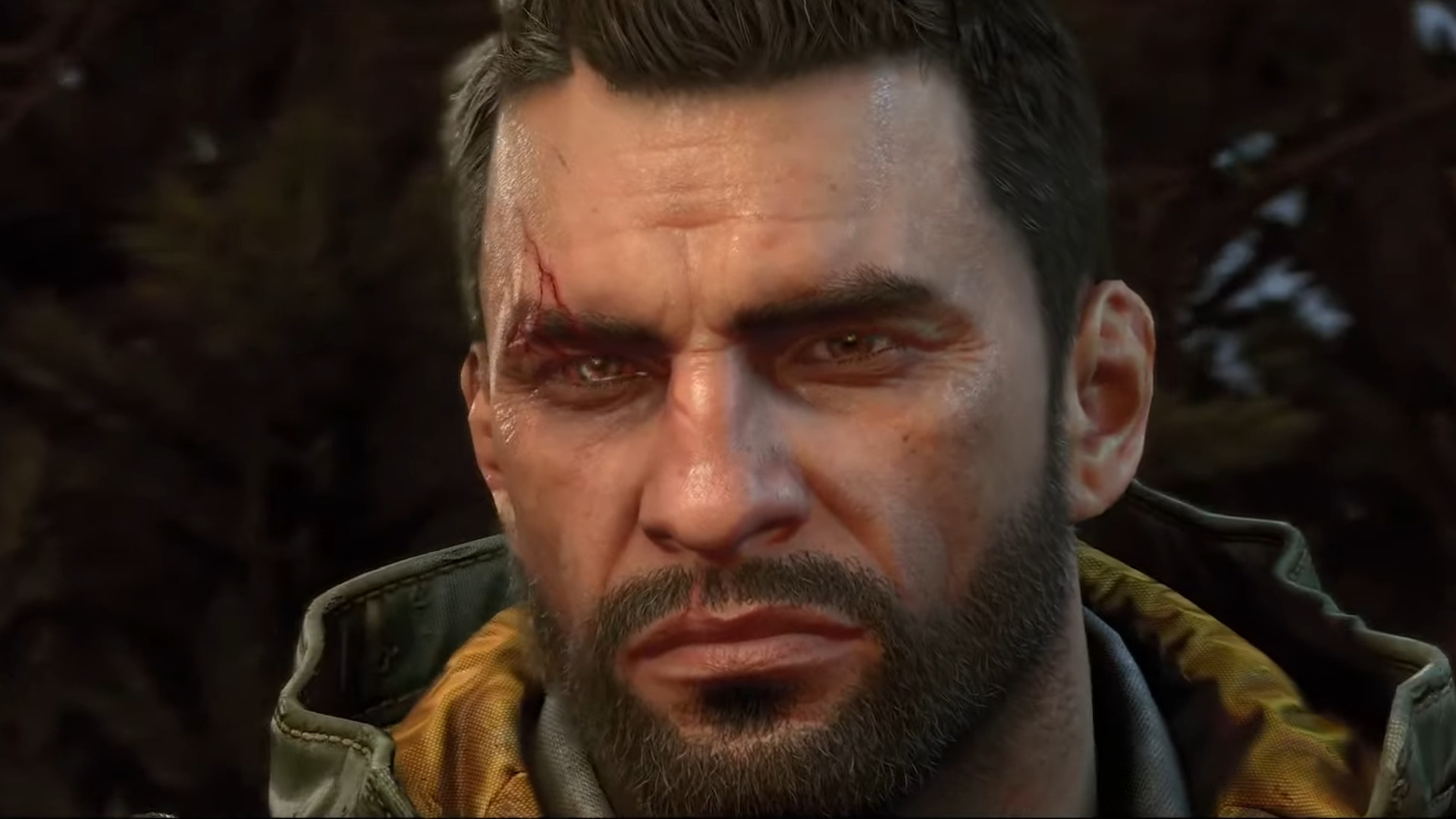
Former Techland designer Tymon Smektala says Dying Light 2: Stay Human became a hard lesson for the studio because the team tried to satisfy too many different expectations at once. Speaking at the Digital Dragons event in Krakow, Poland, Smektala said Techland realized after launch that it had missed some of the smaller details that made the original Dying Light feel special to many players.
Dying Light 2 launched in 2022 after years of heavy anticipation. On the surface, it still looked like the same type of game: open world survival, parkour, zombies, melee combat, and player progression. But Smektala said the studio quickly learned that similarity on paper was not enough. Players felt that some of the feel, tension, and detail from the first game had been lost.
His main point was simple. A franchise is not defined only by big design pillars. It is also shaped by smaller elements that create its identity. In Dying Light’s case, that includes movement feel, combat weight, atmosphere, danger, enemy behavior, pacing, and the balance between horror and action.
Techland learned that quality matters more than trying to satisfy everyone
Smektala said one of the traps during Dying Light 2’s development was trying to give different groups of players everything they wanted. Some wanted more tension. Others wanted deeper RPG systems, stronger parkour, more brutal combat, or a game closer to the original. Some wanted realism, while others preferred a stronger power fantasy.
Trying to answer all of those demands at once created a problem. Instead of sharpening the core identity, the studio spread its focus too widely. Smektala said Techland eventually learned that quality beats quantity, and that lesson shaped later work on both Dying Light 2 updates and Dying Light: The Beast.
| Game | What Techland learned |
|---|---|
| Dying Light 2 | Trying to please everyone weakened focus |
| Dying Light: The Beast | Core systems needed more attention and polish |
| Main lesson | Quality of key elements matters more than feature count |
| Player feedback | Fans cared deeply about small details and game feel |
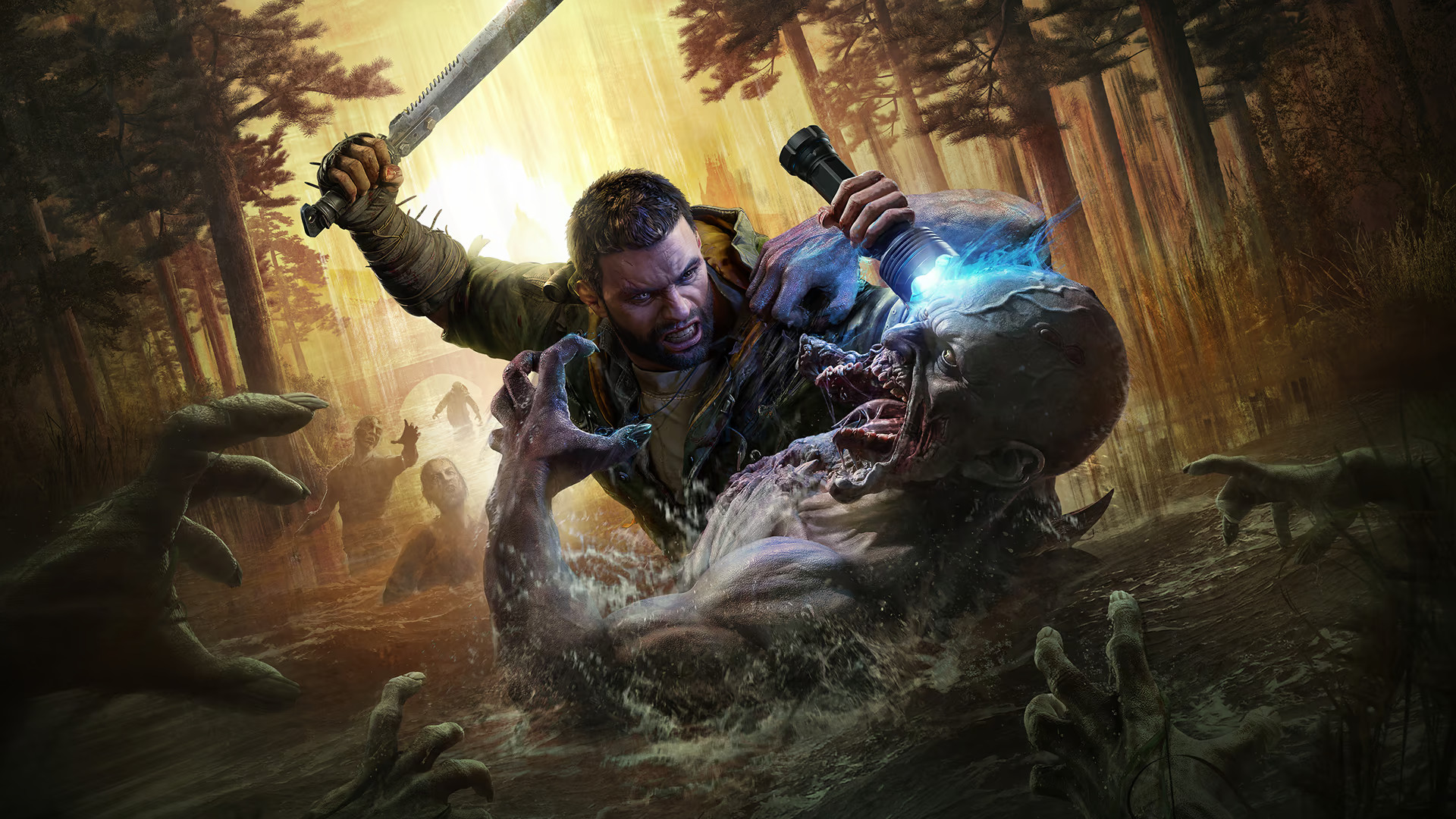
Dying Light: The Beast appears to be the result of that shift. Instead of chasing every possible request, Techland focused more closely on the core elements that define the series. That approach seems to have helped. The game was well received on Steam and reportedly sold more than 1 million copies on Valve’s platform within a few days.
Smektala’s comments are notable because they are unusually direct. Developers often avoid saying too much about what went wrong with past projects, especially when they are still tied to major franchises. But his remarks point to a common issue in sequel development. When a game becomes popular, the next entry can become overloaded with new ideas, wider systems, and attempts to reach a larger audience. That can make the sequel bigger without necessarily making it better.
The lesson for Techland seems to be that Dying Light works best when its most important parts feel strong first. Parkour needs to be satisfying. Combat needs to feel dangerous and physical. The world needs tension. The horror and survival tone need to remain present, even when the game grows larger.
Smektala has now left Techland after 13 years at the studio, and he has not yet shared what he will do next. His comments, however, give a clear view of how Techland now sees Dying Light 2’s reception. The studio did not ignore the criticism. It took it as a warning that a sequel cannot rely only on size, ambition, or feature lists. It has to protect the details that made people care in the first place.



Discussion (0)
Be the first to comment.