



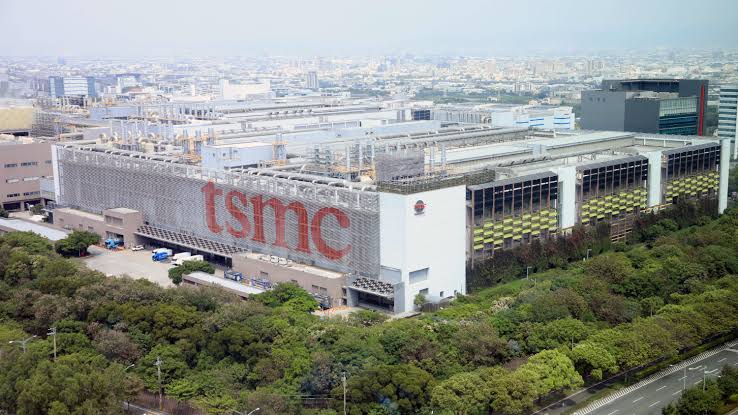
Taiwan is considering new energy rules that would require its largest electricity consumers to install their own power generation and storage infrastructure, a change that could significantly raise operating costs for TSMC and other major industrial companies.
The proposed amendment to Taiwan’s Energy Management Law would apply to commercial facilities with an electricity load of at least 5MW. More than 400 semiconductor, optoelectronics, steel, petrochemical, and artificial intelligence data centre sites could fall within its scope.
Schools and hospitals are expected to receive exemptions, while affected businesses would receive a grace period to install the required infrastructure. Companies that fail to comply could face financial penalties, although the available information describes those penalties as relatively modest.
Taiwan’s legislature is scheduled to consider the amendment on July 22, 2026. The proposal has not yet become law, and its final requirements could change during the legislative process.
TSMC’s factories use about 9 percent of Taiwan’s electricity
TSMC would be among the companies most affected because of the scale of its manufacturing operations.
The chipmaker consumed approximately 25.55 billion kilowatt hours of electricity in Taiwan during 2024. That represented around 9 percent of the country’s total electricity consumption, according to the figures included in the proposal’s coverage.
TSMC operates a large network of wafer fabrication and advanced packaging facilities across Taiwan. These plants run continuously and require stable power for manufacturing equipment, clean rooms, cooling, water treatment, and other supporting systems.
| TSMC operations in Taiwan | Number of facilities |
|---|---|
| 12 inch GIGAFAB facilities | 6 |
| 8 inch wafer fabs | 4 |
| 6 inch wafer fabs | 1 |
| Advanced packaging plants | Multiple facilities |
| Reported 2024 electricity use | 25.55 billion kWh |
| Share of Taiwan’s electricity use | Around 9 percent |
The company’s major 12 inch facilities include Fab 12, Fab 14, Fab 15, Fab 18, Fab 20, and Fab 22. It also operates Fab 3, Fab 5, Fab 6, and Fab 8 for 8 inch wafers, along with Fab 2 for 6 inch production.
Replacing or supporting such a large amount of grid electricity with privately installed generation would require a substantial investment.
The amendment goes beyond existing renewable energy rules
Taiwan already requires large commercial electricity consumers to offset 10 percent of their usage through renewable energy.
The proposed amendment appears to go further by requiring affected companies to install generation and energy storage infrastructure of their own.
The final structure remains important. There is a major difference between requiring companies to produce all of their electricity independently and requiring them to provide only a portion of their demand through local generation and storage.
The supplied information does not establish whether TSMC would need to replace its entire grid supply. It indicates that large consumers would be required to install their own energy systems, but the precise capacity requirement has not been detailed.
That distinction will determine the cost and practical difficulty of compliance.
A semiconductor fab needs highly reliable electricity. Even a brief disruption can damage products moving through sensitive manufacturing stages and create expensive delays. TSMC would therefore still need dependable backup arrangements even if it builds large captive power facilities.
Private power could increase TSMC’s operating costs
Grid electricity benefits from shared infrastructure and economies of scale. Utilities spread the cost of power generation, transmission, maintenance, and backup capacity across many customers.
If TSMC must build more of this infrastructure directly, it may face higher capital and operating expenses.
| Possible requirement | Potential effect on TSMC |
|---|---|
| New power generation | Higher construction and equipment costs |
| Battery or other storage | Additional land, maintenance, and replacement expense |
| Backup capacity | More infrastructure needed for reliability |
| Grid integration | Engineering and connection costs |
| Renewable generation | Greater dependence on available land and weather |
| Compliance monitoring | Additional administrative requirements |
The company may need to secure land, obtain permits, purchase equipment, and manage energy assets that sit outside its main semiconductor business.
Large storage systems also have limits. Batteries can help manage short interruptions and balance renewable output, but supplying a large fabrication complex for extended periods would require enormous capacity.
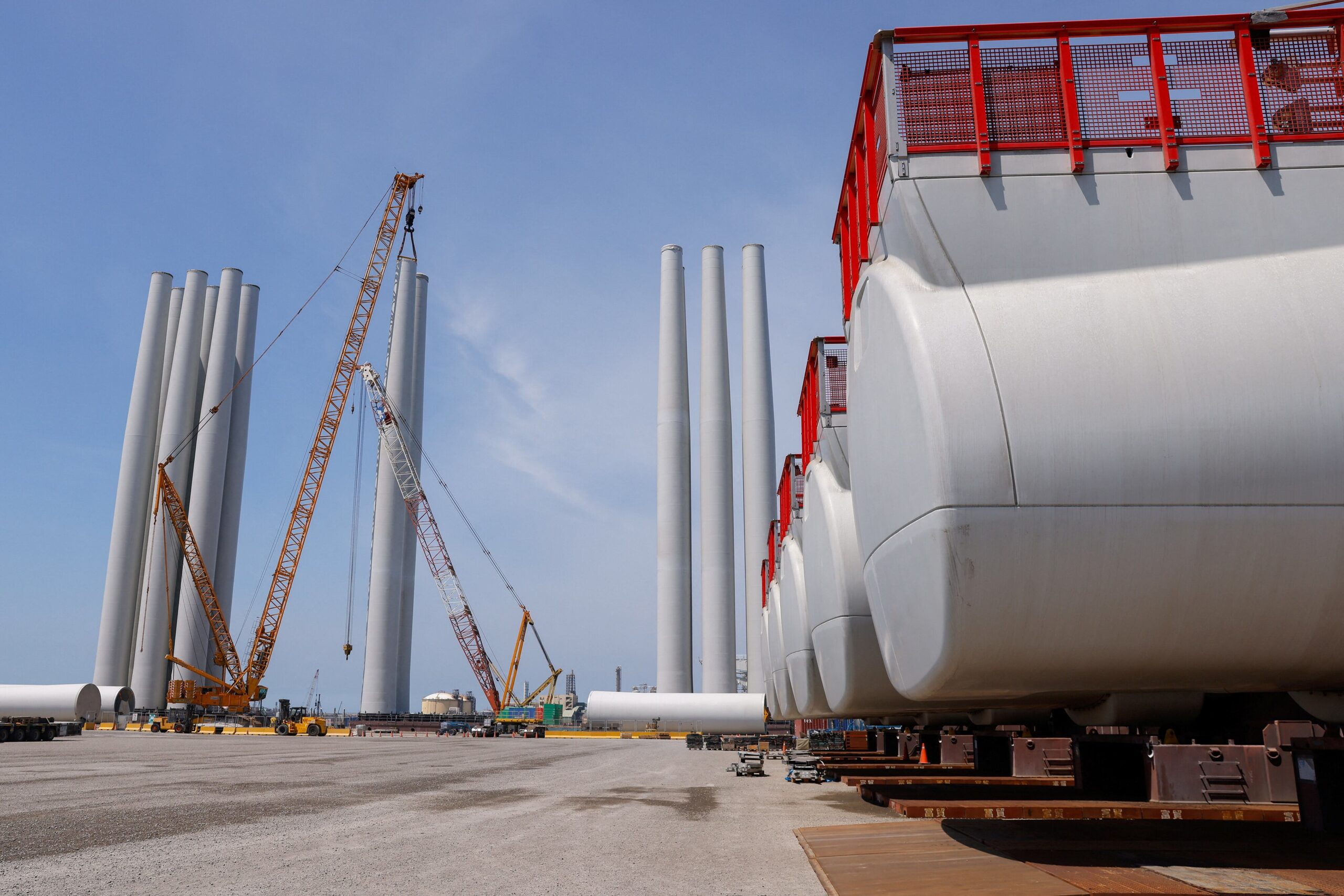
Other technologies such as natural gas generation could provide more consistent output, but they would raise questions about emissions and Taiwan’s broader climate targets.
Semiconductor expansion is increasing Taiwan’s power needs
TSMC’s electricity consumption is likely to grow as it builds newer fabs and expands advanced packaging.
Leading edge chip production uses increasingly complex manufacturing equipment. Extreme ultraviolet lithography systems, vacuum pumps, cooling equipment, clean rooms, and process tools all require large amounts of electricity.
AI demand is adding further pressure. TSMC manufactures advanced processors for major technology companies, while Taiwan is also preparing for the expansion of AI data centres.
These data centres will compete with semiconductor factories and other industries for electricity. The government’s proposal appears intended to shift part of the responsibility for new generation capacity onto the companies creating the additional demand.
This could help reduce pressure on the national grid, but it may also increase the cost of industrial expansion.
The proposal would affect more than the chip industry
Although TSMC would attract the most attention, the amendment would cover hundreds of large facilities.
Steel and petrochemical plants also consume large amounts of electricity. Optoelectronics factories require continuous power for display and component production, while AI data centres need electricity for servers, networking, and cooling.
Smaller companies near the 5MW threshold could face a greater relative burden than TSMC. A large corporation may have the financial resources to build dedicated power systems, while a smaller manufacturer could struggle with the initial investment.
The government may therefore need to define different requirements based on consumption, available land, industry type, and technical feasibility.
Compliance may be especially difficult in dense industrial areas
Building local power generation is not simply a matter of purchasing equipment.
Solar installations require sufficient roof or land area. Wind power depends on location and permitting. Gas generation needs fuel infrastructure, while large battery systems require space and safety planning.
Many industrial sites were designed before private energy generation became a major requirement. They may not have enough unused land for substantial new infrastructure.
TSMC could build power facilities away from individual fabs, but that would require transmission connections and may complicate the meaning of on site or self generated power under the proposed law.
The final regulations will need to address these practical issues.
Energy costs could influence future chip pricing
TSMC is already dealing with higher construction costs outside Taiwan and growing spending on new fabrication technology.
Additional energy infrastructure in Taiwan could place further pressure on margins. The company may attempt to recover part of the expense through higher wafer prices, particularly for advanced processes with limited alternative supply.
However, energy investment could also provide long term benefits. Greater control over electricity supply may improve reliability and reduce exposure to future grid shortages or price increases.
The balance will depend on the size of the required investment, the type of generation permitted, and how much support the government provides.
Taiwan’s proposed law reflects a wider challenge facing the semiconductor and AI industries. Advanced computing requires enormous amounts of electricity, and governments are increasingly asking major consumers to share responsibility for expanding energy capacity.
For TSMC, the change could strengthen long term power security, but meeting the requirement across its extensive network of fabs would be costly and technically complex.



Discussion (0)
Be the first to comment.