



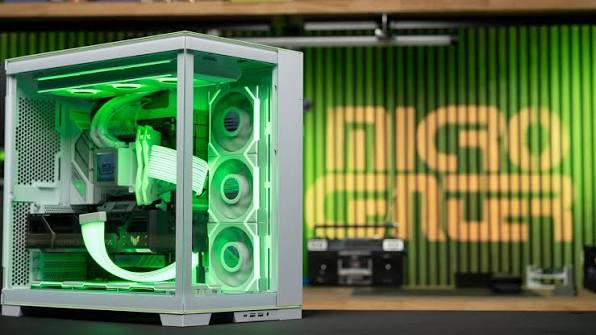
A major Taiwanese retailer has reportedly stopped selling the NVIDIA GeForce RTX 5080 as a standalone graphics card, restricting purchases to component bundles and complete desktop systems.
Cool PC currently lists several RTX 5080 models as available only with a full PC build or as part of a wider hardware package. The move reflects tighter GPU availability and rising prices across the consumer graphics market.
The RTX 5080 launched with a starting price of $999 for NVIDIA’s Founders Edition, but many partner cards now sell for more than $1,200. Premium models can reach $1,500 or more, while some high end editions are listed close to $2,000.
The situation in Taiwan does not yet represent the global market, but similar restrictions could spread if supplies continue to tighten.
| Market detail | Current situation |
|---|---|
| Graphics card | NVIDIA GeForce RTX 5080 |
| Retailer | Cool PC in Taiwan |
| Standalone sales | Reportedly unavailable |
| Available purchase methods | Bundles or complete PC builds |
| Original starting price | $999 |
| Common current price | Above $1,200 |
| Premium model pricing | Up to $2,000 |
RTX 5080 models are being reserved for system sales
The retailer’s listings reportedly mark several RTX 5080 cards as available only for PC builds.
This means you cannot purchase the graphics card by itself. Instead, you must buy additional components or order a complete system assembled by the retailer.
Bundle restrictions allow stores to spread limited GPU stock across higher value purchases. A retailer earns more revenue from a complete PC than from selling one graphics card, particularly when demand is strong and stock is limited.
The approach can also reduce purchases from resellers who intend to sell the card again at a higher price. However, it limits choice for customers who already own a suitable computer and only want to upgrade the GPU.
Retailers have previously used similar methods during periods of severe graphics card shortages. Some required buyers to purchase motherboards, power supplies or memory kits alongside GPUs.
Prices are already well above the original target
The RTX 5080 was introduced with a $999 starting price, but cards at that level have become difficult to find.
Many current listings are above $1,200, representing an increase of roughly 20 to 30 percent over the Founders Edition price. Premium cards with larger cooling systems and factory overclocks can cost considerably more.
| RTX 5080 category | Approximate price |
|---|---|
| Founders Edition starting price | $999 |
| Common retail listings | $1,200 or more |
| Higher end partner models | Above $1,500 |
| Most expensive premium editions | Close to $2,000 |
Partner models normally cost more because they use custom cooling, power delivery and visual designs. The current difference is larger than expected for many cards, suggesting that supply and memory costs are also affecting prices.
Regional taxes, import costs and retailer margins can create further differences.
Rising memory costs are placing pressure on GPU supply
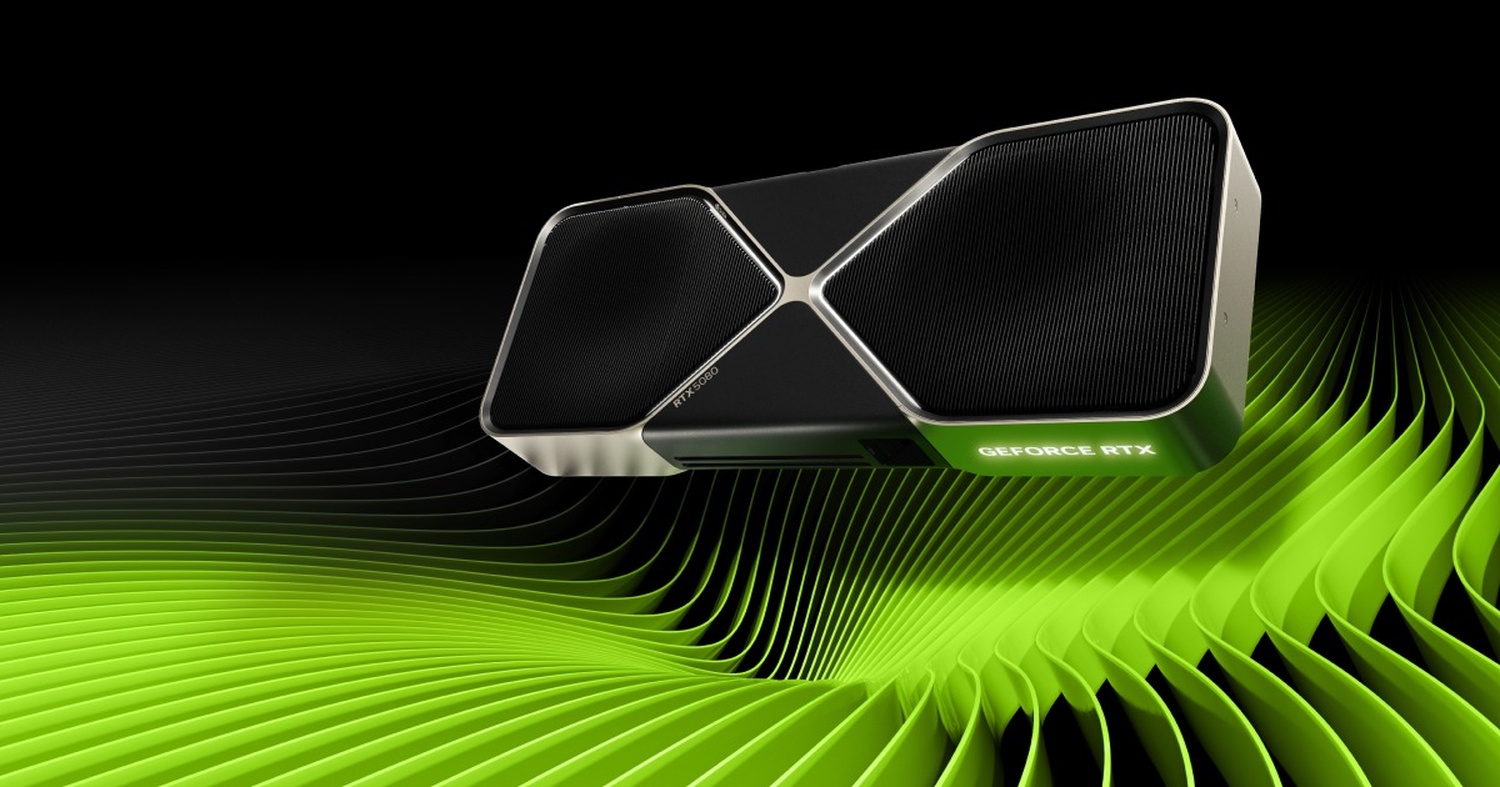
Graphics cards depend on specialised memory, and the RTX 5080 uses 16GB of GDDR7.
Memory manufacturers are directing more investment and production capacity towards artificial intelligence servers, where high bandwidth memory and enterprise products can generate stronger profits.
This has placed pressure on consumer memory supply, including DDR, GDDR and other products used in personal computers.
Higher memory costs do not affect every graphics card equally, but models with larger capacities can become more expensive to manufacture. Retailers and board partners may pass those increases to customers.
Other components, including substrates, cooling systems and power delivery hardware, also influence final pricing.
The current situation is therefore not caused by one factor alone. It reflects a combination of memory demand, production priorities, regional stock and strong interest in high performance GPUs.
Lower priced graphics cards may face greater pressure
The RTX 5080 remains one of NVIDIA’s faster consumer graphics cards, which gives it a strong position despite its high price.
Customers willing to spend more may continue buying it even after increases. Lower and middle range models are more sensitive because a smaller price rise can make them poor value compared with the next performance tier.
Cards with 16GB of memory could be particularly exposed if GDDR prices rise further.
A shortage affecting the RTX 5080 may also influence the wider market. Buyers who cannot find one may move to other models, increasing demand for slower cards and pushing their prices higher.
This pattern can spread quickly across a product range when supply is limited.
Bundle restrictions can make upgrades more expensive
Buying an RTX 5080 through a complete system may be reasonable for someone building a new PC.
It is much less attractive for an owner who already has a capable processor, motherboard and power supply. Purchasing unnecessary hardware increases the total cost and may create waste.
Component bundles can offer better value when the included products are useful and competitively priced. They become less appealing when the extra items are selected mainly to increase the order total.
Before purchasing a bundle, you should compare the combined price with the cost of buying each component separately.
You should also check whether the retailer allows changes to the system configuration. Some prebuilt packages may include lower quality power supplies, slower memory or storage that you would not choose independently.
The restriction may remain regional
Cool PC’s policy does not mean every retailer has stopped selling the RTX 5080 separately.
Standalone cards are still available through stores in several markets, although prices and stock vary. The Taiwanese restriction may reflect local inventory rather than a formal policy from NVIDIA or its board partners.
There is also no confirmation that other retailers will adopt the same approach.
However, the move is an early warning of how stores may respond if GPU availability worsens. Bundles and complete system requirements can become more common when demand exceeds supply.
The RTX 5080 remains available, but buyers are facing higher prices and fewer purchasing options in some regions. If memory costs continue rising, similar restrictions could expand to other graphics cards during the coming weeks.



Discussion (0)
Be the first to comment.