



Subnautica 2 is already making a strong case for slow, staged early access instead of dropping everything at once. The current version is limited, with around 20 hours of content, but that smaller structure appears to be helping the game rather than hurting it. It gives players a complete first taste of the alien ocean while leaving enough mystery for future updates.
The game has had a messy path to release, including legal drama around Unknown Worlds and Krafton, but its early access launch has still been a major success. According to the report, Subnautica 2 sold 2 million copies in just 12 hours, showing that players were ready to return to the series despite the noise around it.
Early access works because Subnautica is built around gradual discovery
Subnautica has always been about going deeper. Unlike many survival crafting games where progress is tied to common material tiers like stone, bronze, or iron, Subnautica uses depth as its main form of progression. You build better tools, stronger vehicles, and safer bases so you can reach places that were previously too dangerous or impossible to explore.
That structure fits early access surprisingly well. Instead of feeling like an unfinished survival sandbox, Subnautica 2’s first release feels more like a strong opening episode. You explore, scan alien life, build key tools, uncover story details, and reach a point that clearly teases what comes next.
| Subnautica 2 early access element | Why it works |
|---|---|
| Around 20 hours of content | Gives a focused first chapter without dragging |
| Gradual exploration | Matches the series’ depth based progression |
| Found narrative | Lets story unfold through AI dialogue and logs |
| Alien Ruins sequence | Acts like a strong episode ending |
| Future biomes teased | Gives players a reason to return later |
The story is also built in a way that benefits from this pacing. Much of Subnautica 2’s narrative is found through the AI companion NOA and black box recordings from missing colonists. These logs point to a mysterious condition called Masefield Syndrome and a huge alien tree rising out of the ocean. That World Tree seems positioned as one of the game’s central mysteries and possibly a major destination later in development.
The current early access build reportedly ends its first major arc in the Alien Ruins, with a strong set piece and important lore discoveries. That kind of stopping point matters. It does not feel like the game simply cuts off randomly. It gives players enough answers to feel rewarded, while raising new questions about future areas, creatures, and tools.
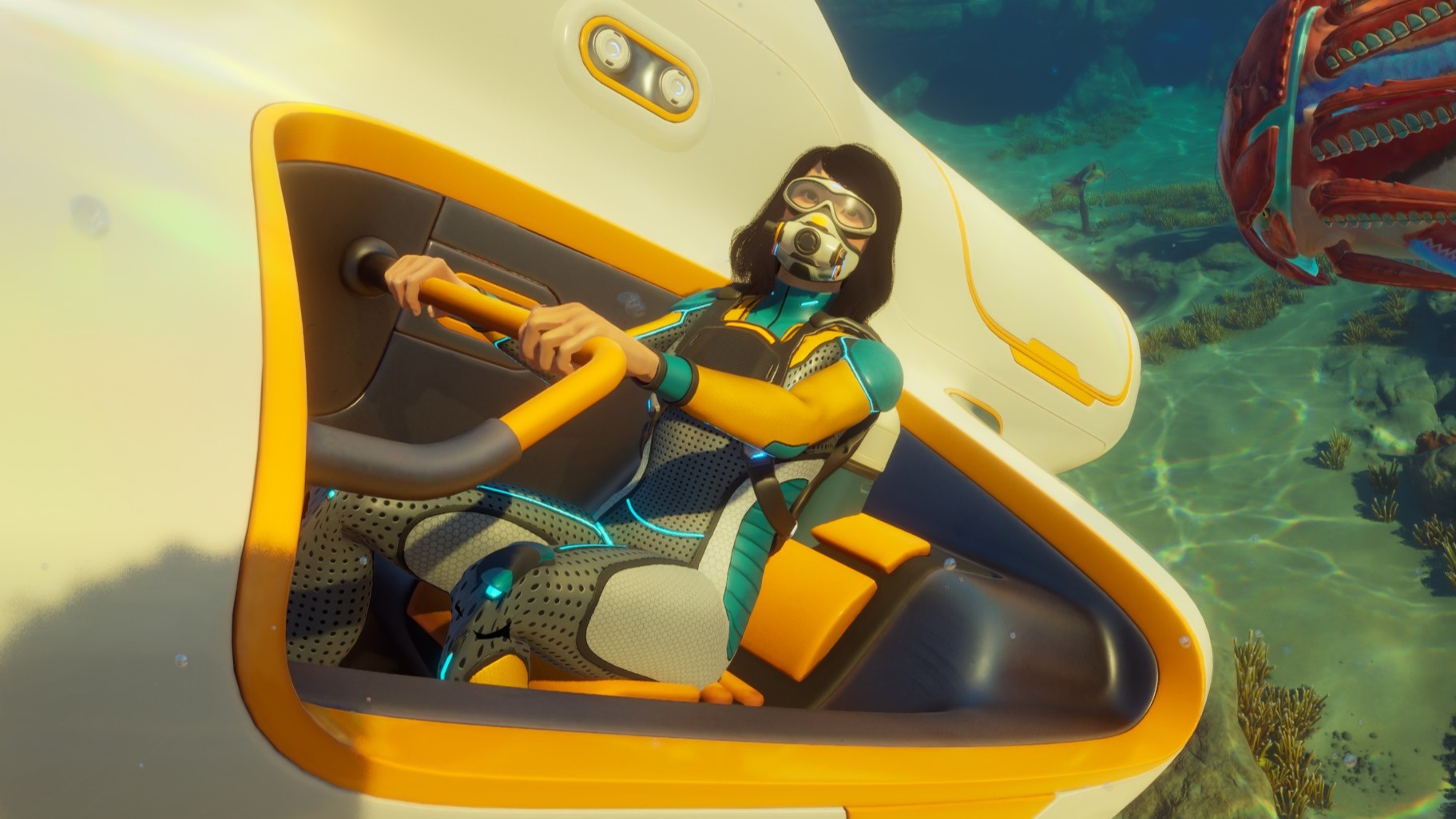
The survival systems also have clearer purpose because new gadgets are tied to progression. For example, players need to build the Tadpole mini sub to safely cross a dangerous stretch of open ocean. That makes the technology feel earned and necessary, rather than something added only for sandbox experimentation.
Subnautica 2 also seems to understand the emotional pull of the series. The ocean can be frightening, especially for players uneasy around deep water, but the game turns that fear into curiosity. Moments like encountering friendly Deepwing leviathans show why the series remains special. The unknown is dangerous, but it can also be beautiful.
This is why the episodic early access model may be the right choice. A full release would give players everything at once, but a staged rollout lets each biome, tool, creature, and mystery breathe. It also gives Unknown Worlds time to refine the game while keeping players excited for the next part.
Subnautica 2 is not complete yet, and some players will still prefer waiting for the full version. But based on the current early access response, the smaller first chapter is doing its job. It makes the alien ocean feel mysterious again, and it gives players a clear reason to come back when the next layer opens.



Discussion (0)
Be the first to comment.