



Steam’s April 2026 Hardware and Software Survey shows a clear split in PC gaming. New hardware keeps arriving, but many players are still using older GPUs, 16GB RAM, and Windows 10. That matters because it affects what developers can realistically target when building modern PC games.
Windows is still dominant on Steam, with 93.47% share across surveyed players. But around a quarter of Windows players are still on Windows 10, even though the operating system is already in its end of life phase. Microsoft’s Extended Security Updates program keeps support going through October 13, but the clock is still running.
Older PCs are still normal on Steam
The survey also shows that NVIDIA’s GeForce RTX 3060 with 8GB VRAM remains the most common discrete GPU. That card is now a few years old, and 8GB VRAM is becoming more debated as newer games demand more memory.
16GB RAM also remains the most common memory capacity, even as Microsoft now describes 32GB as the safer “no worries” choice for gaming PCs. That gap says a lot about the market. Many people may want to upgrade, but high prices for RAM, SSDs, and GPUs are making PC upgrades harder.
| Steam survey signal | What it suggests |
|---|---|
| Windows has 93.47% share | Windows remains the main PC gaming platform |
| About 25% of Windows players still use Windows 10 | Many PCs are not moving quickly to Windows 11 |
| RTX 3060 8GB remains highly common | Older midrange GPUs still define a lot of PC gaming |
| 16GB RAM remains common | 32GB is not yet the real average for most players |
| Arch Linux leads Linux distros | SteamOS is helping shape Linux gaming visibility |
This also explains why optimization complaints are so common. If the average gaming PC is still closer to an RTX 3060 system than a high end RTX 50 series build, then games that expect too much from hardware will leave many players behind.
The Windows 10 issue is more complicated. Some people may simply prefer it. Others may be stuck because their PC does not officially meet Windows 11 requirements, especially around TPM 2.0 and newer CPU support. Workarounds exist, but not everyone wants to bypass checks or risk compatibility issues.
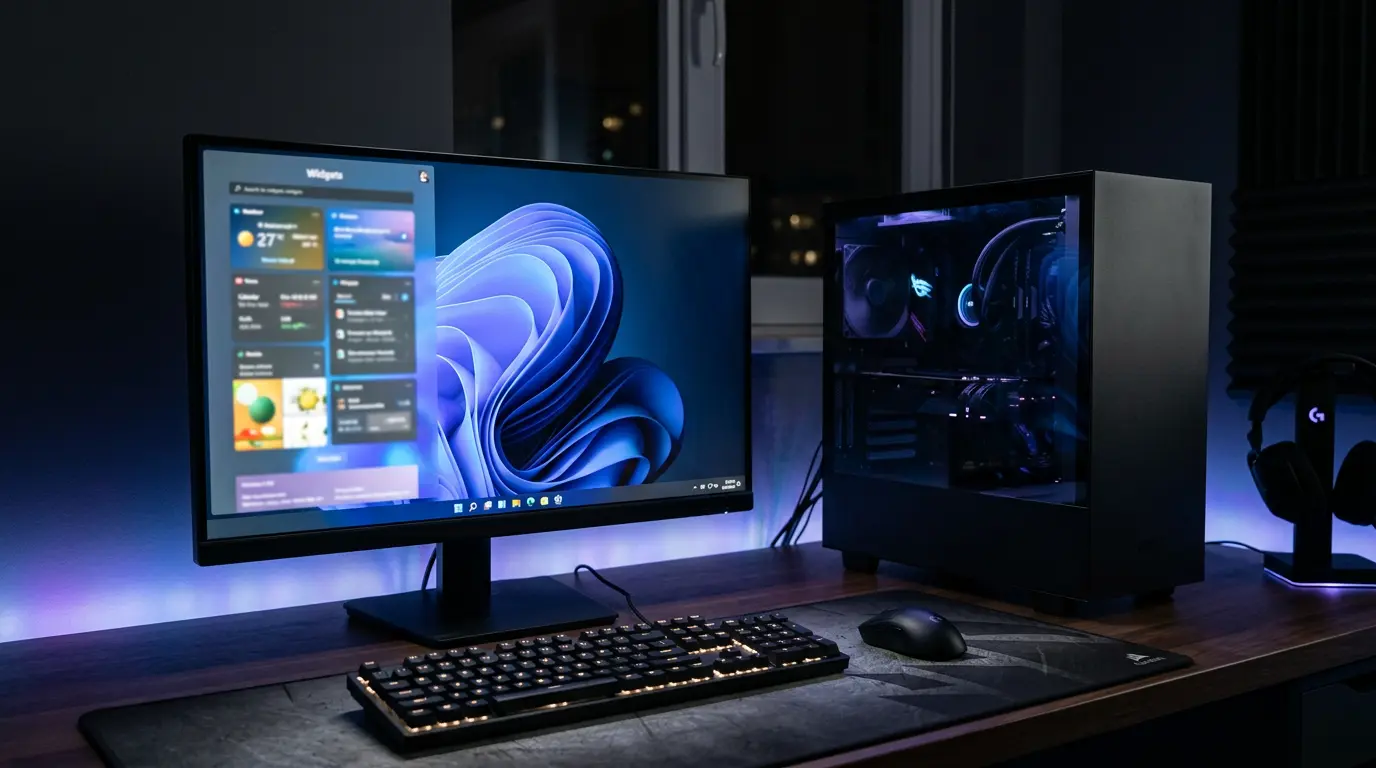
This is also why Valve’s upcoming Steam Machine could matter. If Valve can offer a reasonably priced SteamOS based PC, it may appeal to people who want a modern gaming system without dealing with Windows 11 upgrade limits or expensive custom builds.
For now, the survey points to a simple reality: PC gaming is moving forward, but not everyone can move with it at the same speed. Developers, Microsoft, Valve, and hardware makers all have to account for a large group of players still using older but very common systems.

Discussion (0)
Be the first to comment.