



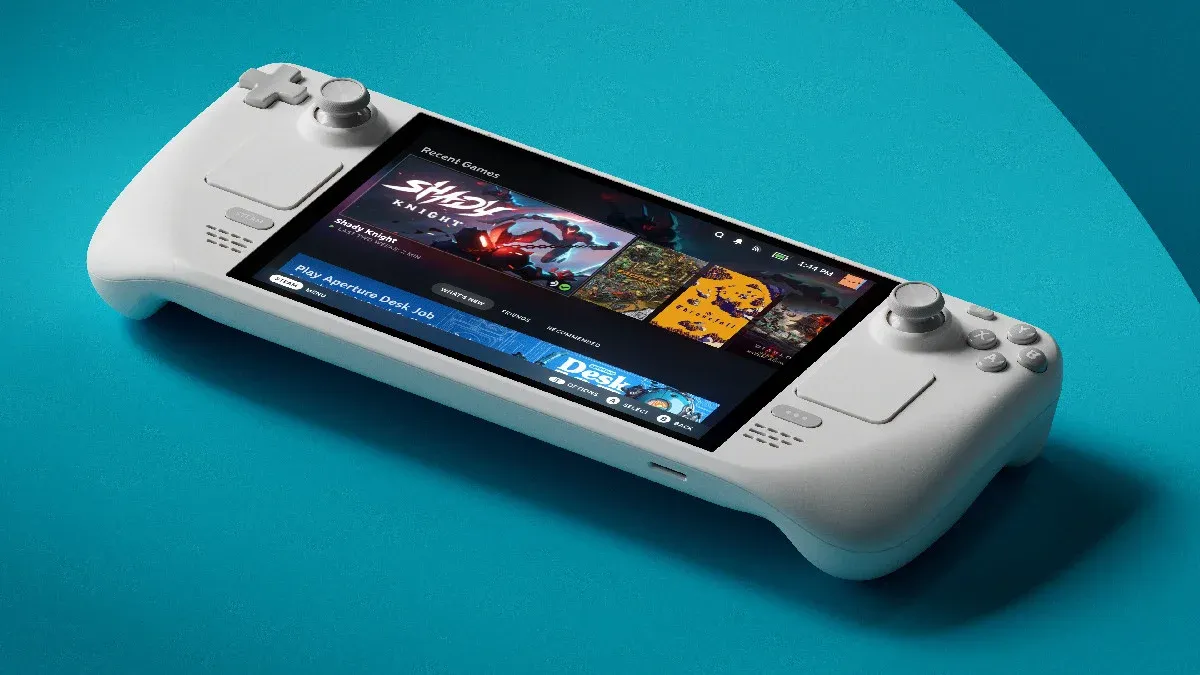
Valve has released a new SteamOS 3.8.6 beta update with early HDMI VRR support, broader controller support for third party handhelds, and several stability fixes. The update is part of the larger SteamOS 3.8 cycle, which also includes bigger system changes such as an updated graphics driver, Linux kernel upgrades, and BIOS security improvements.
The most interesting addition is preliminary HDMI VRR support for devices with native HDMI output. That wording is important because it points beyond the Steam Deck itself. Devices such as Valve’s upcoming Steam Machine, or other SteamOS hardware with built in HDMI, could benefit from variable refresh rate support when connected to compatible displays.
VRR helps smooth out gameplay when frame rates fluctuate. Instead of forcing the display to refresh at a fixed rate while the game struggles to keep up, VRR allows the screen to adapt within a supported range. For games that hover between performance targets, this can reduce visible stutter and tearing.
SteamOS is getting more useful beyond the Steam Deck
This update also continues Valve’s effort to make SteamOS work better on non Valve handhelds. SteamOS 3.8.6 adds controller support for several MSI Claw devices, including the A1M, 7 AI Plus A2VM, 8 AI Plus A2VM, and A8 BZ2EM. It also adds support for the OneXPlayer APEX and X1 series.
| SteamOS 3.8.6 beta change | What it improves |
|---|---|
| HDMI VRR support | Early support for native HDMI output devices |
| MSI Claw controller support | Better controls on multiple MSI handhelds |
| OneXPlayer support | Adds support for APEX and X1 series |
| Improved gyro response | Helps Legion Go 1 and MSI Claw A1M |
| ROG Xbox Ally crash fix | Fixes a system crash on international models |
| Remote Play fix | Addresses frozen video output |
| Game Recording fix | Fixes crashes tied to maximum video height settings |
That is a meaningful direction for SteamOS. For years, Steam Deck was the main hardware story. Now Valve appears to be preparing SteamOS for a wider ecosystem of handhelds and living room devices. Better controller support is essential if SteamOS is going to become a serious alternative to Windows on portable gaming PCs.
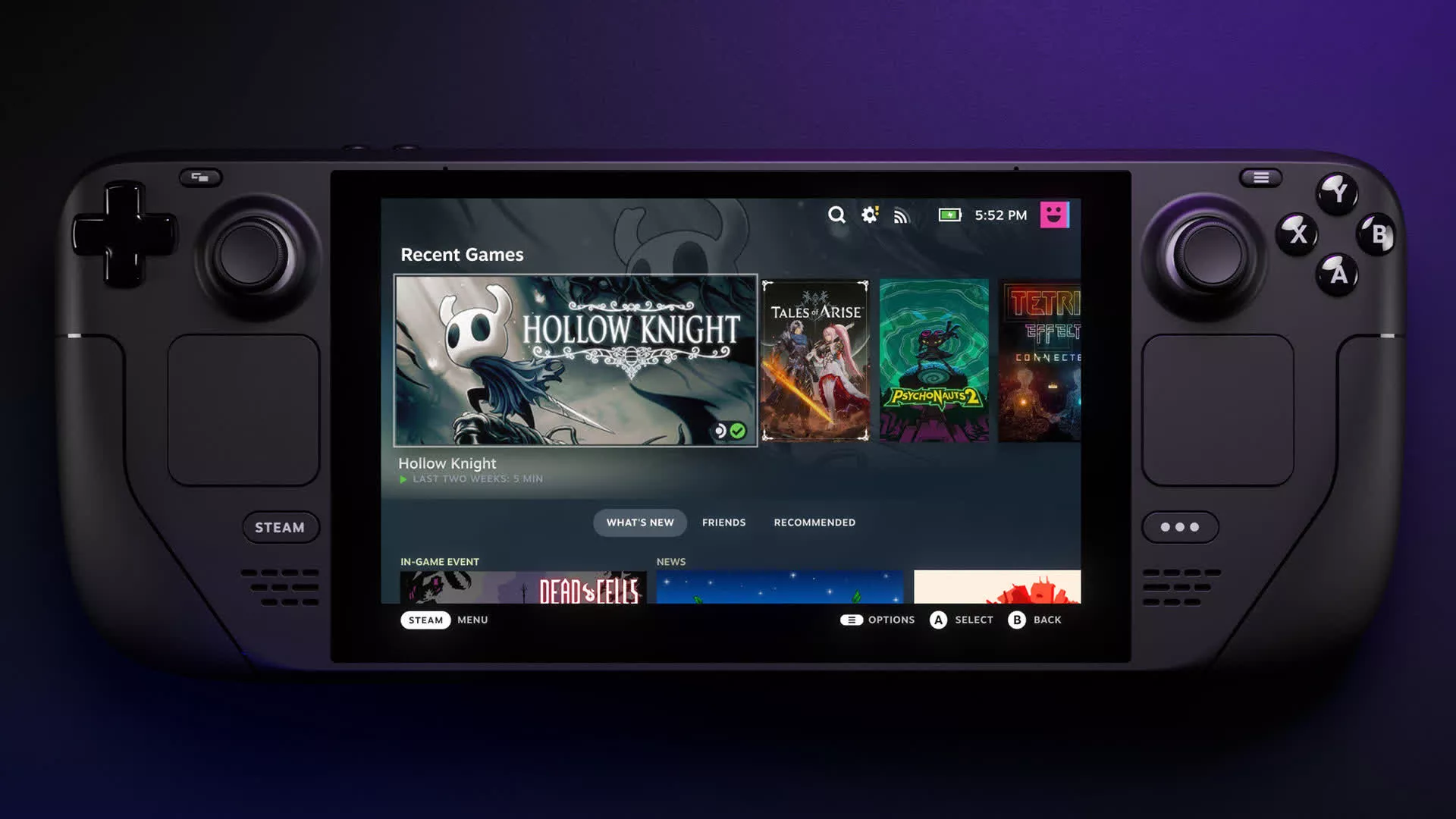
The update also improves gyro response for devices using AccelGyro3D, including the Lenovo Legion Go 1 and MSI Claw A1M. Gyro controls are not used by every player, but they matter for people who rely on motion aiming in shooters, emulators, and games with custom Steam Input layouts.
There is also a crash fix for international ROG Xbox Ally models. That is notable because the ROG Xbox Ally line has become one of the most visible Windows handhelds, and any SteamOS compatibility work around it suggests Valve wants its operating system to run more smoothly across competing hardware.
Other fixes are smaller but still useful. Valve fixed an issue where “Allow Tearing” did not work correctly in certain setups, a Remote Play bug that could freeze video output, a Game Recording crash tied to some maximum video height settings, and a Desktop Mode problem where the “New!” badge appeared in the wrong place.
There is also a fix for certain TCL TVs where the display could stay blank when using the Steam Deck Dock. That should help players who use the Steam Deck like a console and connect it to a living room screen.
To install the update, open System Settings on your Steam Deck and switch the update channel to Beta or Preview. Players who prefer maximum stability may want to wait for these fixes to reach the stable channel.
SteamOS 3.8.6 is not only a maintenance patch. It shows Valve preparing SteamOS for more devices, more docks, more displays, and more controller setups. The Steam Deck remains the center of the ecosystem, but updates like this make it clear that Valve’s ambitions are getting wider.



Discussion (0)
Be the first to comment.