



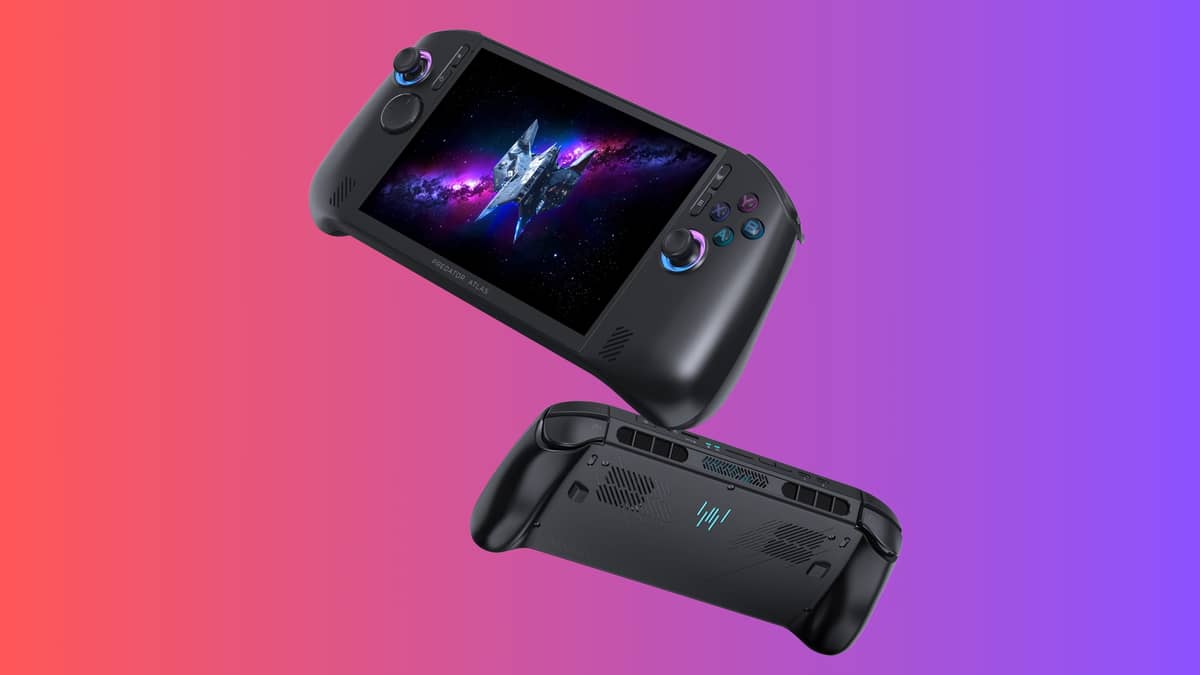
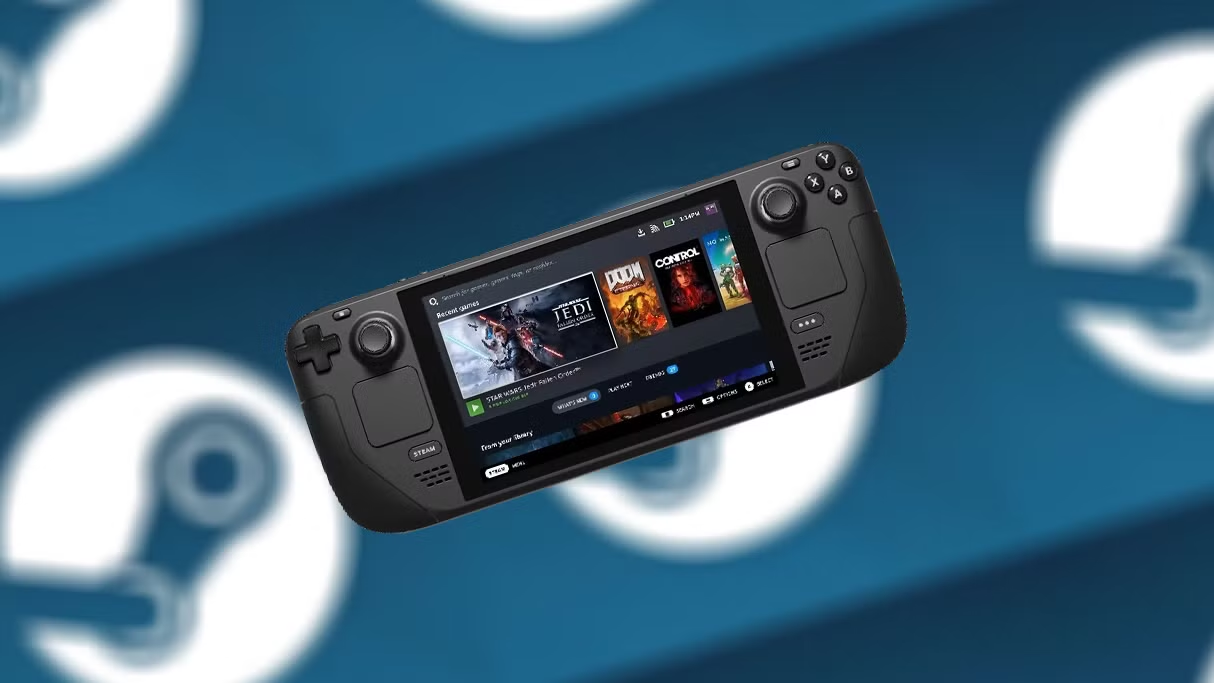
The Steam Deck is finally back in stock after months of limited availability, but the return comes with a major price increase. Valve is now selling only the OLED models, with the 512GB version priced at $789 and the 1TB version priced at $949. The original LCD Steam Deck, which launched at $400, is no longer part of the lineup.
That change makes the Steam Deck feel very different from the device that helped reshape handheld PC gaming. When Valve launched the original model, its biggest strength was not only portability. It was value. It gave players a practical way to play PC games on the go without spending gaming laptop money. Now, with the entry price close to $800, that argument is much harder to make.
Valve is not hiding the reason. The company says the price increase is due to rising memory and storage costs. Those same pressures are affecting much of the PC market, especially handhelds and gaming laptops. RAM and SSD prices have climbed as chip makers focus more heavily on AI data centers, leaving consumer hardware makers with higher costs and weaker supply.
The Steam Deck is still important, but it no longer feels like the budget option
The new pricing puts the Steam Deck OLED into a difficult position. The device still uses AMD integrated graphics based on older Zen 2 era technology. It remains a smooth and well supported handheld thanks to SteamOS, but the hardware is no longer cheap enough to make its age easy to ignore.
| Steam Deck model | New price |
|---|---|
| Steam Deck OLED 512GB | $789 |
| Steam Deck OLED 1TB | $949 |
| Original LCD model | Discontinued |
The price increases are not limited to the United States. The 512GB OLED model now costs $1,129 in Canada, 649 pounds in the UK, 779 euro in Europe, $1,199 in Australia, and 3,279 PLN in Poland. The 1TB model is even higher across those regions.
This is part of a wider problem. Lenovo’s Legion Go line has also become much more expensive, with even the more affordable SteamOS based model now approaching premium territory. Acer, MSI, ASUS, and other companies are still building handheld gaming PCs, but many of these devices are moving closer to gaming laptop prices.
That raises a simple question for buyers. If a handheld costs nearly $1,000 or more, does it still make sense over a proper gaming laptop with a larger screen, keyboard, and stronger GPU? For some players, the answer will still be yes because portability matters. But for many others, the value is no longer clear.
The RAM and storage shortage also affects Valve’s future hardware plans. The Steam Machine and Steam Frame VR headset are expected later in 2026, but pricing remains uncertain. If component costs stay high, keeping those products affordable may be difficult.
There may be some hope if the memory market stabilizes or if new suppliers expand beyond China. But for now, the trend is clear. The affordable PC gaming hardware market is under heavy pressure, and the Steam Deck is no longer protected from it.
The Steam Deck OLED is still a good handheld, especially for players who want a polished SteamOS experience. But it is no longer the easy value pick it once was. Valve’s handheld helped make portable PC gaming mainstream, but its new price shows how much the market has changed in just a few years.



Discussion (0)
Be the first to comment.