



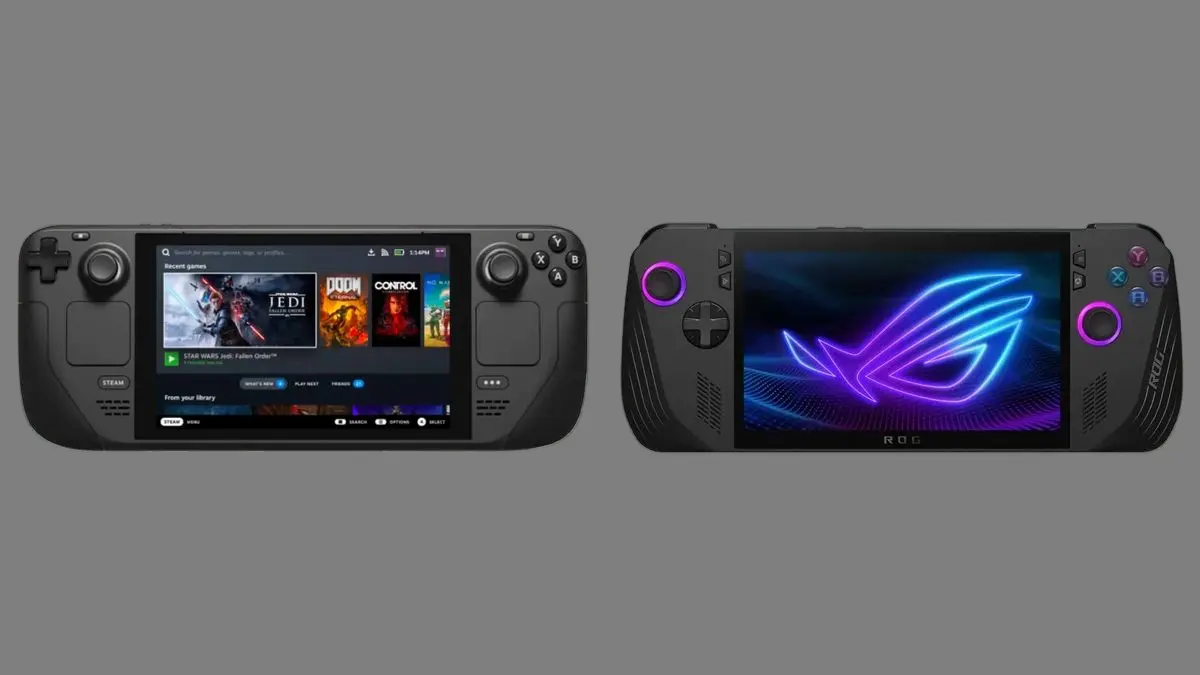
Valve has raised Steam Deck OLED prices sharply, and that change makes the ROG Xbox Ally look more attractive than it did at launch. The 512GB Steam Deck OLED has reportedly jumped by £170 or $240, while the 1TB model has risen by £210 or $300. That now puts the 512GB model at £649 or $789 and the 1TB model at £779 or $949.
Those prices are far removed from the Steam Deck’s original value pitch. When Valve entered the handheld PC market, the Steam Deck stood out because it offered a simple, capable, and relatively affordable way to play PC games on the go. It was never the most powerful handheld, but the price helped make its compromises easier to accept.
That equation is now changing. At these new prices, the Steam Deck OLED is moving closer to higher performance Windows handhelds, and that makes its older hardware harder to defend. The OLED screen and SteamOS experience are still strong selling points, but buyers now have more reason to compare it directly with devices such as the ROG Xbox Ally and ROG Xbox Ally X.
ROG Xbox Ally now looks better against Steam Deck OLED
The base ROG Xbox Ally has already been appearing at big discounts in some regions. In the UK, recent deals reportedly brought the handheld below £340, with refurbished or open box units going as low as £270. Even at normal pricing, it may now sit below the new Steam Deck OLED prices in several markets.
| Device | Current price picture |
|---|---|
| Steam Deck OLED 512GB | £649 or $789 after price rise |
| Steam Deck OLED 1TB | £779 or $949 after price rise |
| Base ROG Xbox Ally | Recently seen below £340 in UK deals |
| ROG Xbox Ally X | Around £850 or regional equivalent |
The ROG Xbox Ally X is now especially interesting. It is still expensive, but the 1TB Steam Deck OLED has moved close to its territory. That matters because the Ally X is far stronger on paper, with better performance potential and a more flexible Windows based setup. If someone is already spending close to premium handheld money, the extra performance may become easier to justify.
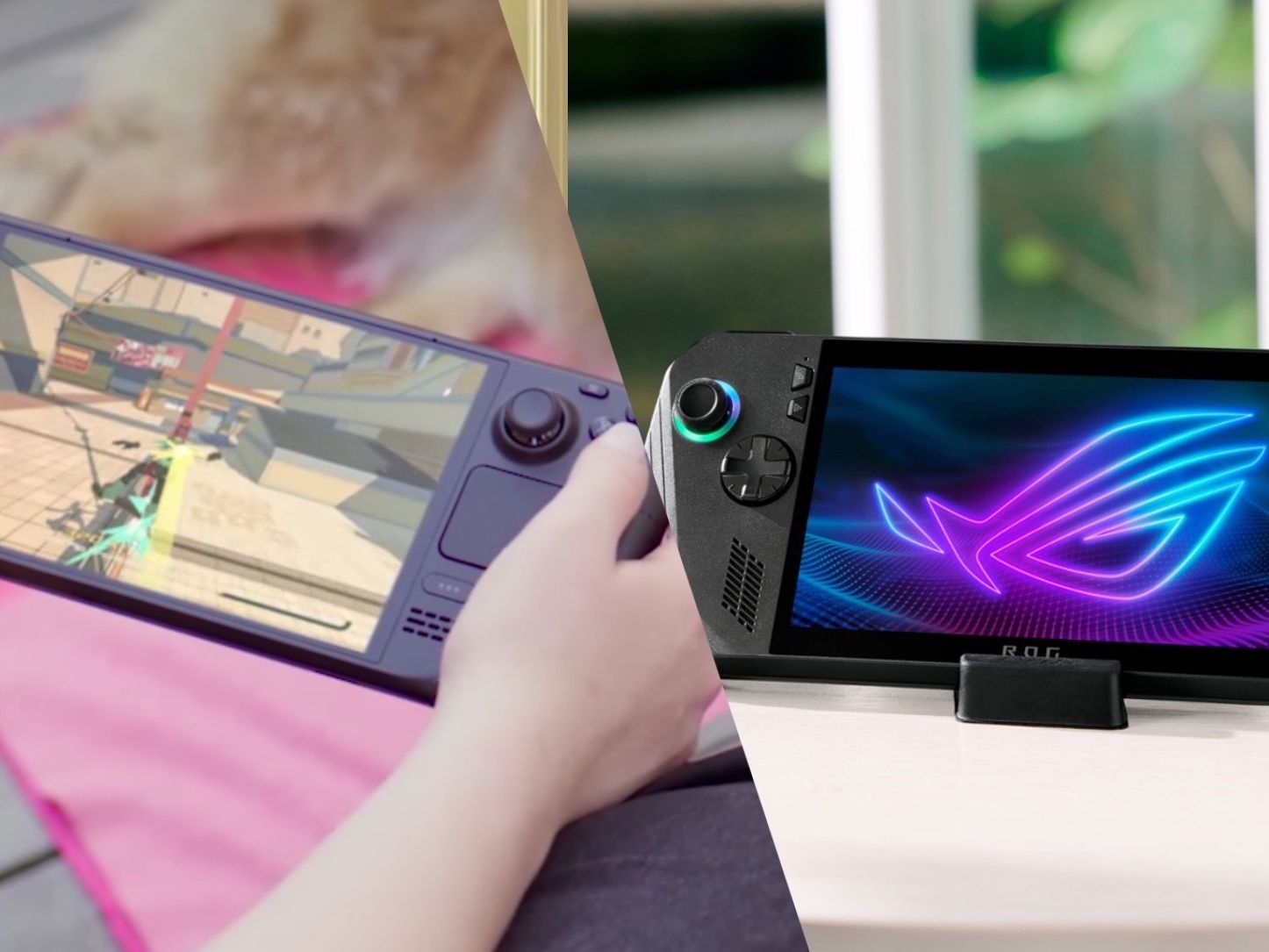
This does not mean the Steam Deck has suddenly become a bad device. SteamOS remains smoother and more console like than Windows on handhelds. Valve’s sleep and resume behavior, library integration, and community support are still major advantages. For players who mostly use Steam and want a simple handheld experience, Steam Deck remains appealing.
But price changes the conversation. A modestly powered handheld can feel like great value at the right price. At nearly $800 or $950, it starts to look much less forgiving, especially when newer handhelds can run more demanding games better.
The wider concern is that this may not be limited to Valve. Gaming hardware prices are rising across the industry. Xbox hardware, PlayStation hardware, Nintendo hardware, and now Steam Deck have all faced price pressure. Components, memory, manufacturing, distribution, and broader market conditions are making gaming devices more expensive.
That could affect future hardware too. If handhelds are climbing this high, next generation consoles may also arrive at uncomfortable prices. Microsoft’s future Project Helix hardware, Sony’s PlayStation 6, and Valve’s rumored Steam Machine could all face a very different market from the one that shaped the current generation.
For buyers today, the best move is to compare real street prices rather than brand reputation. A discounted ROG Xbox Ally may now offer better value than a Steam Deck OLED. The Ally X may also make more sense for players who want stronger hardware and do not mind dealing with Windows.
The Steam Deck helped define the handheld PC category, but its new pricing weakens one of its biggest strengths. Unless Valve can bring costs back down, the ROG Xbox Ally lineup may look like the smarter buy for more players in 2026.



Discussion (0)
Be the first to comment.