



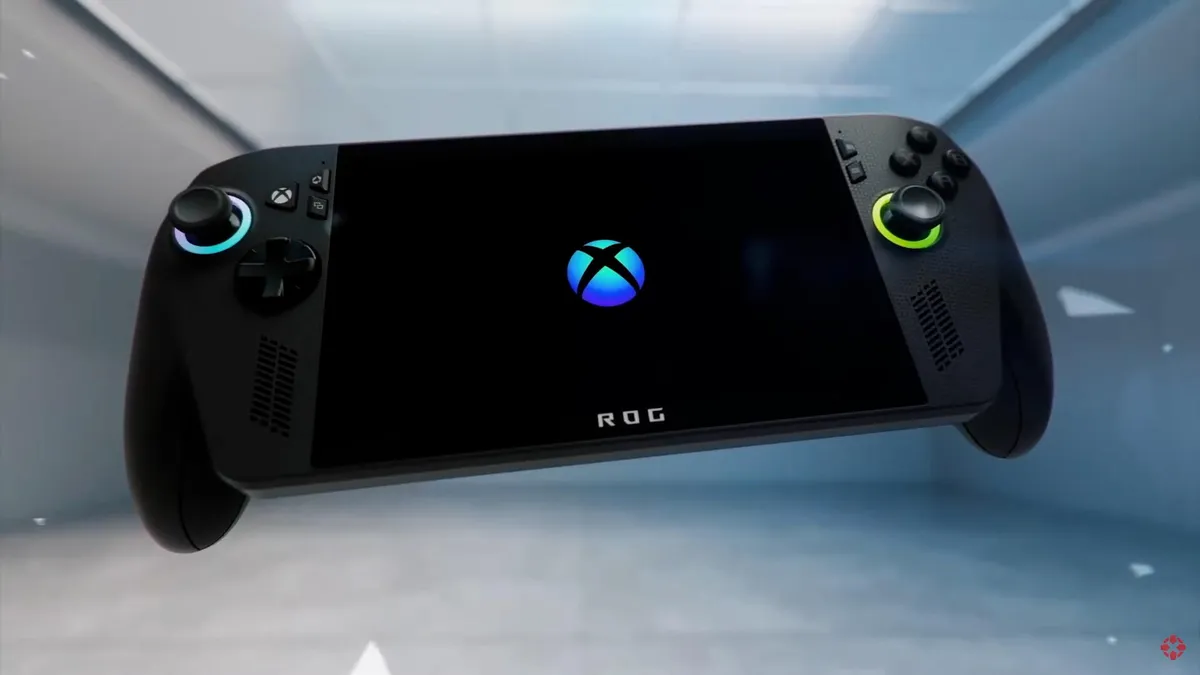
Valve’s latest Steam Deck OLED price increase has changed the handheld gaming PC comparison in a major way. The Steam Deck OLED is back in stock, but its new price makes the Xbox ROG Ally look much more attractive for players who want portable PC gaming without paying close to premium laptop money.
The Steam Deck OLED 512GB model now costs $789, while the Xbox ROG Ally is listed at $599.99 in the US. That puts Microsoft and ASUS’s handheld in a much better value position, especially for buyers who were already unsure about paying more for Valve’s hardware. In the UK, the Xbox ROG Ally is even more aggressive, with current pricing around £448 to £449.99 depending on the retailer.
The Steam Deck still has real strengths. SteamOS remains one of the cleanest handheld gaming experiences available, and the OLED display is excellent. Valve’s device also has touchpads, which are useful for PC games that do not work well with standard controller input. But at the new price, the old value argument is much harder to defend.
Xbox ROG Ally now has the stronger price advantage, especially for Game Pass and Windows players
The Xbox ROG Ally and Steam Deck OLED target a similar performance class. The Xbox Ally uses AMD’s Ryzen Z2 A processor, while the Steam Deck OLED uses Valve’s custom AMD chip with a Zen 2 CPU. For lighter games, indie titles, and backlog clearing, both handhelds should sit in a similar range.
The differences come down to display, software, controls, and price. The Steam Deck OLED has a larger 7.4 inch OLED screen, but the Xbox Ally offers a sharper 1080p display, a 120Hz refresh rate, and Variable Refresh Rate support. VRR is important because it can smooth out uneven frame rates and reduce screen tearing, which is useful on a handheld where performance often shifts from game to game.
| Feature | Xbox ROG Ally | Steam Deck OLED |
|---|---|---|
| Current US price | $599.99 | $789 for 512GB OLED |
| Operating system | Windows 11 Home | SteamOS |
| Processor | AMD Ryzen Z2 A | Custom AMD Zen 2 chip |
| Display | 7 inch 1080p IPS, 120Hz | 7.4 inch OLED, 90Hz |
| VRR | Yes | No |
| Memory | 16GB LPDDR5X | 16GB LPDDR5 |
| Battery | 60Wh | 50Wh |
| Touchpads | No | Yes |
Software is still the biggest dividing line. The Steam Deck is simpler if your main library is on Steam. It feels more like a console and needs less setup for many players. The Xbox Ally runs Windows 11, which can feel clumsy on a small screen, but it also gives you native access to Xbox Game Pass, Steam, Epic Games Store, GOG, EA Play, and other PC storefronts without extra workarounds.
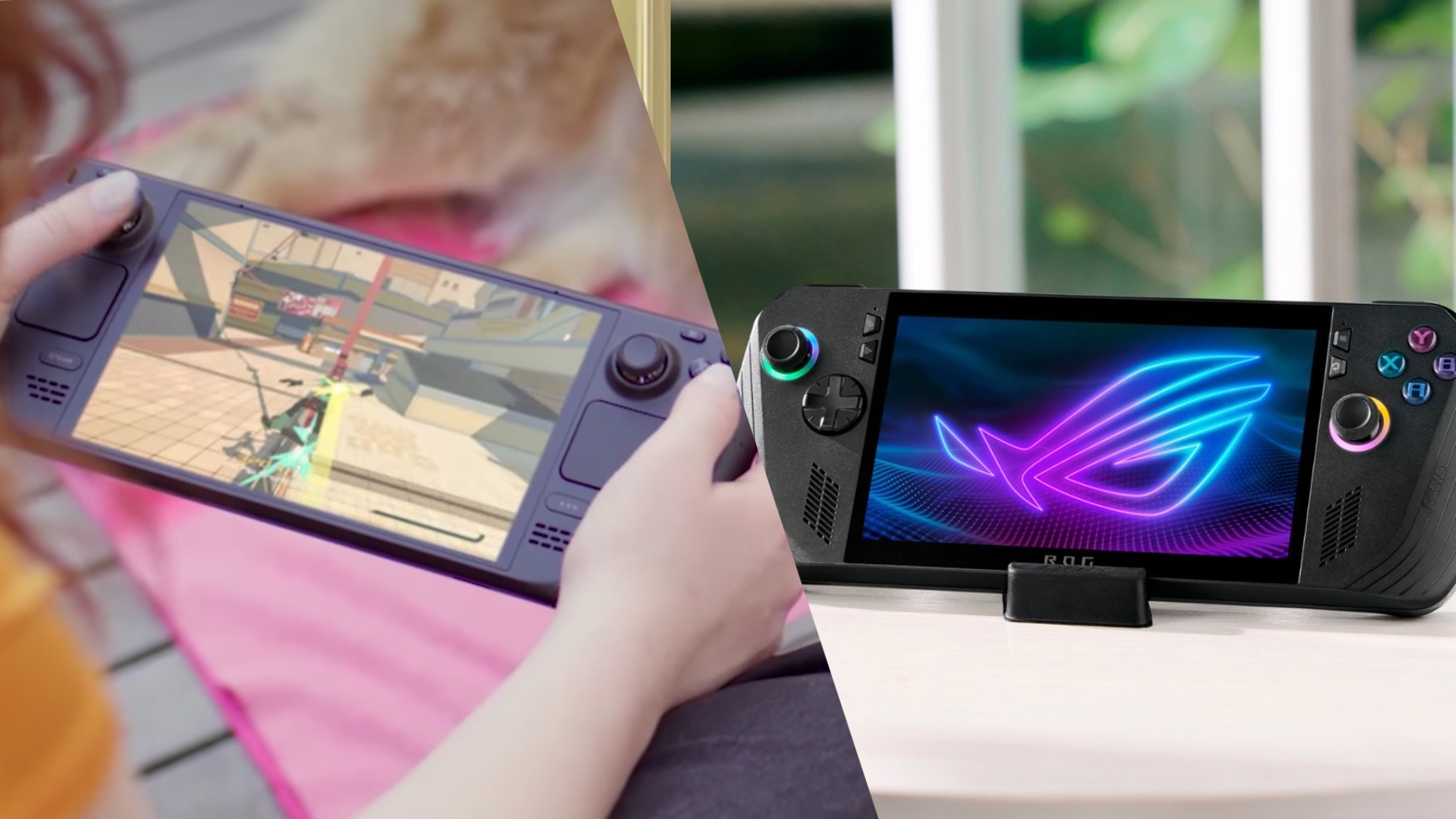
That matters for players who do not want to be locked into one store. If you already use Game Pass or buy games across several PC platforms, the Xbox Ally may be easier to live with despite Windows being less elegant than SteamOS.
There is also a workaround for people who like the Xbox Ally hardware but dislike Windows. Valve has expanded official SteamOS support for third party AMD handhelds, and many players also use Bazzite, a SteamOS style Linux setup with ASUS focused tweaks. That means the Xbox Ally can be turned into something much closer to a Steam Deck style experience if you are willing to install a different operating system.
The Steam Deck OLED remains a strong device, but the price hike changes the conversation. At $549, it was easy to recommend. At $789, it has to compete with cheaper Windows handhelds that offer broader store access, stronger display specs in some areas, and native Xbox features.
For now, the Xbox ROG Ally looks like the better value for many handheld PC buyers. The Steam Deck still wins on simplicity and OLED quality, but the Xbox Ally now wins where many buyers care most: price.



Discussion (0)
Be the first to comment.