



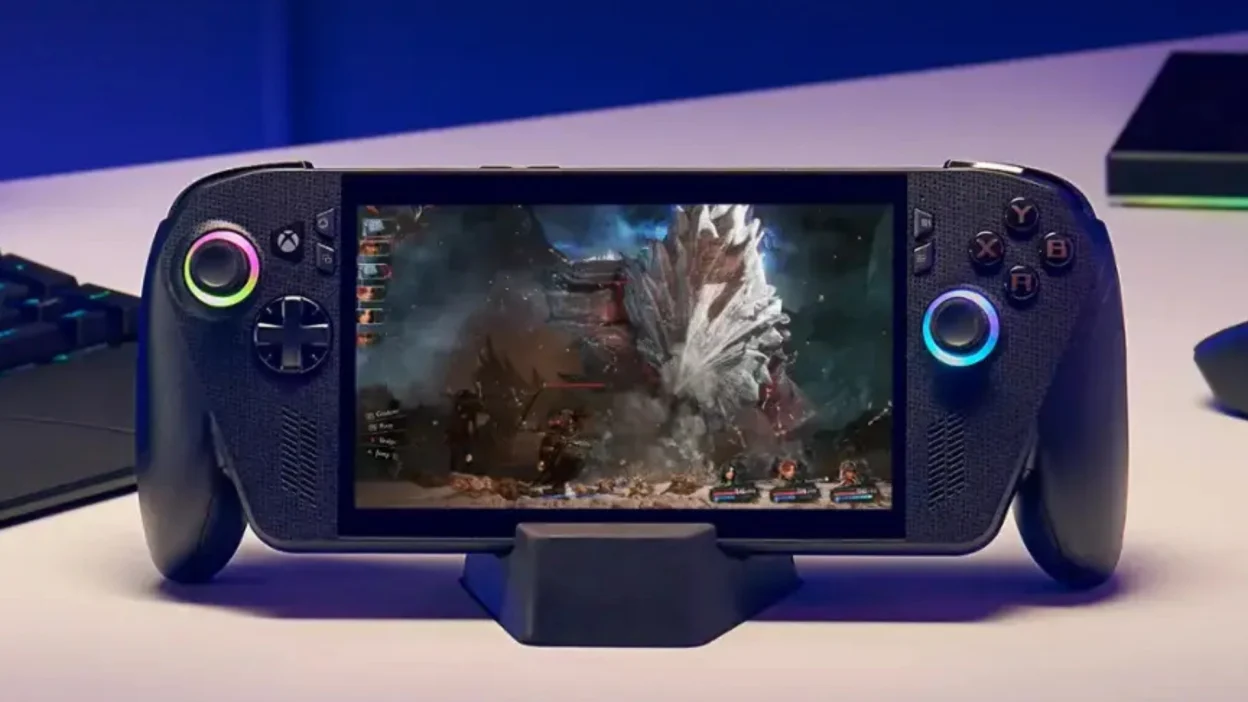
Valve’s latest Steam Deck OLED price increase has changed the handheld gaming PC debate almost overnight. The Steam Deck OLED is back in stock, but its new pricing makes the Xbox ROG Ally look like a much stronger choice for players who want portable PC gaming at a lower cost.
The biggest change is price. The Steam Deck OLED 512GB model now costs $789, while the Xbox ROG Ally is available for $599.99 in the US. In the UK, the Xbox ROG Ally is even cheaper at around £448 to £449.99, depending on the retailer. That price gap is hard to ignore, especially because both handhelds target a similar level of gaming performance.
For a long time, the Steam Deck had a clear advantage because it offered a strong mix of price, comfort, software, and performance. SteamOS also made it feel more like a console than a Windows PC. But with the OLED model now costing much more, buyers have to ask whether that smoother software experience is worth the extra money.
Xbox ROG Ally now wins on price, store access, and display features
The Xbox ROG Ally uses AMD’s Ryzen Z2 A processor, while the Steam Deck OLED uses Valve’s custom AMD chip with a Zen 2 CPU. For lighter PC games, indie releases, and older backlog titles, both devices are positioned close to each other. That makes the new price gap even more important.
The Steam Deck OLED still has a beautiful 7.4 inch OLED screen and useful touchpads, which help with games that were not designed around controller input. Those are real strengths. However, the Xbox ROG Ally has its own advantages. It uses a sharper 7 inch 1080p display with a 120Hz refresh rate and Variable Refresh Rate support, which the Steam Deck OLED does not offer.
| Feature | Xbox ROG Ally | Steam Deck OLED |
|---|---|---|
| US price | $599.99 | $789 for 512GB OLED |
| Operating system | Windows 11 Home | SteamOS |
| Display | 7 inch 1080p IPS, 120Hz | 7.4 inch OLED, 90Hz |
| VRR | Yes | No |
| Memory | 16GB LPDDR5X | 16GB LPDDR5 |
| Battery | 60Wh | 50Wh |
| Touchpads | No | Yes |
VRR can matter a lot on a handheld because frame rates often move up and down depending on the game. It helps reduce tearing and makes uneven performance feel smoother. The Xbox ROG Ally also has a larger 60Wh battery compared with the Steam Deck OLED’s 50Wh battery.
Software remains the biggest difference. SteamOS is cleaner and easier for Steam games. Windows 11 is less elegant on a small screen, but it gives the Xbox ROG Ally native access to Steam, Xbox PC games, Game Pass, Epic Games Store, GOG, EA Play, and other PC launchers without extra workarounds.
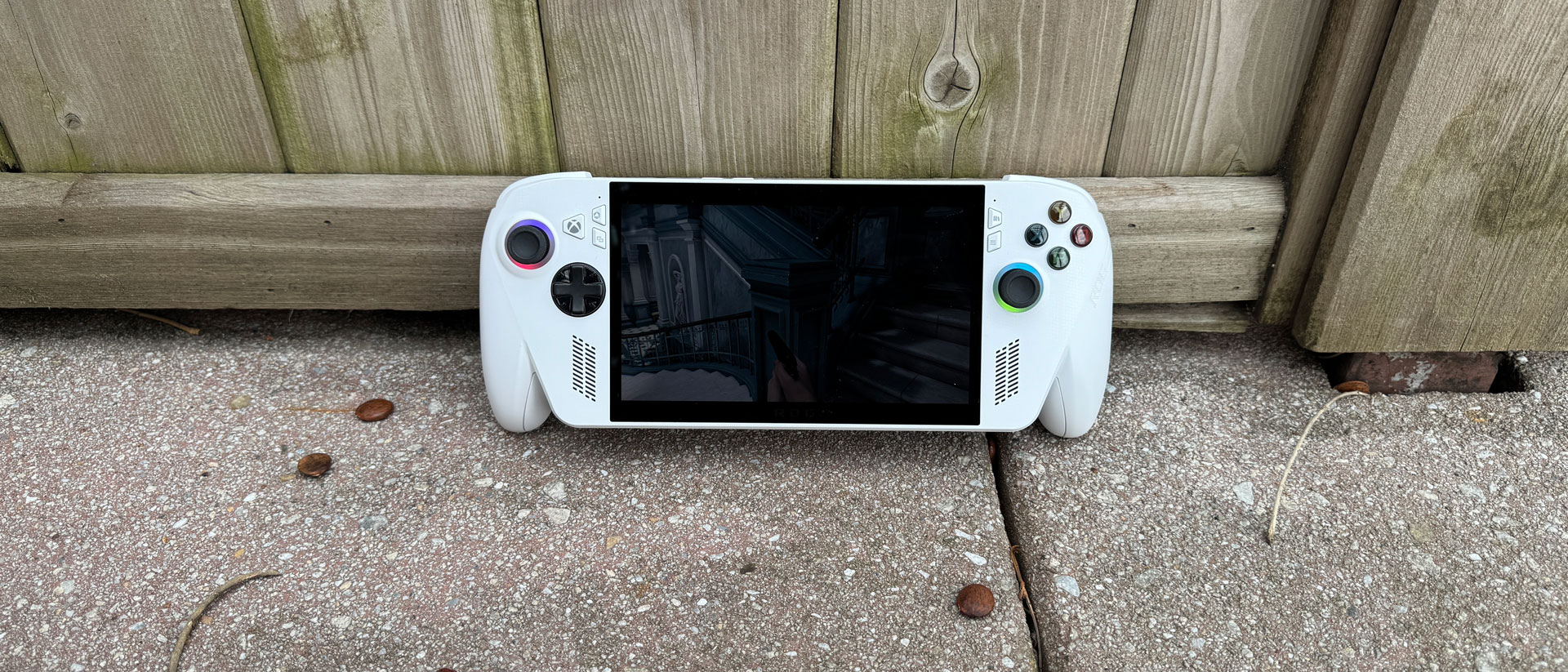
That makes the Xbox ROG Ally especially useful for players who already use Game Pass or buy games from more than one store. It also has the Xbox Full Screen Experience, which gives the handheld a more controller friendly interface.
There is another option for people who like the Xbox Ally hardware but dislike Windows. Valve has expanded SteamOS support for third party AMD handhelds, and many players also use Bazzite, a SteamOS like Linux setup made for devices such as the ROG Ally. That means buyers are not fully locked into Windows if they are willing to do some setup.
The Steam Deck OLED is still a great handheld, but the price hike makes it harder to recommend without hesitation. At $789, it is no longer the obvious value pick. For many players, the Xbox ROG Ally now offers the better balance of price, performance, store flexibility, and display features.



Discussion (0)
Be the first to comment.