



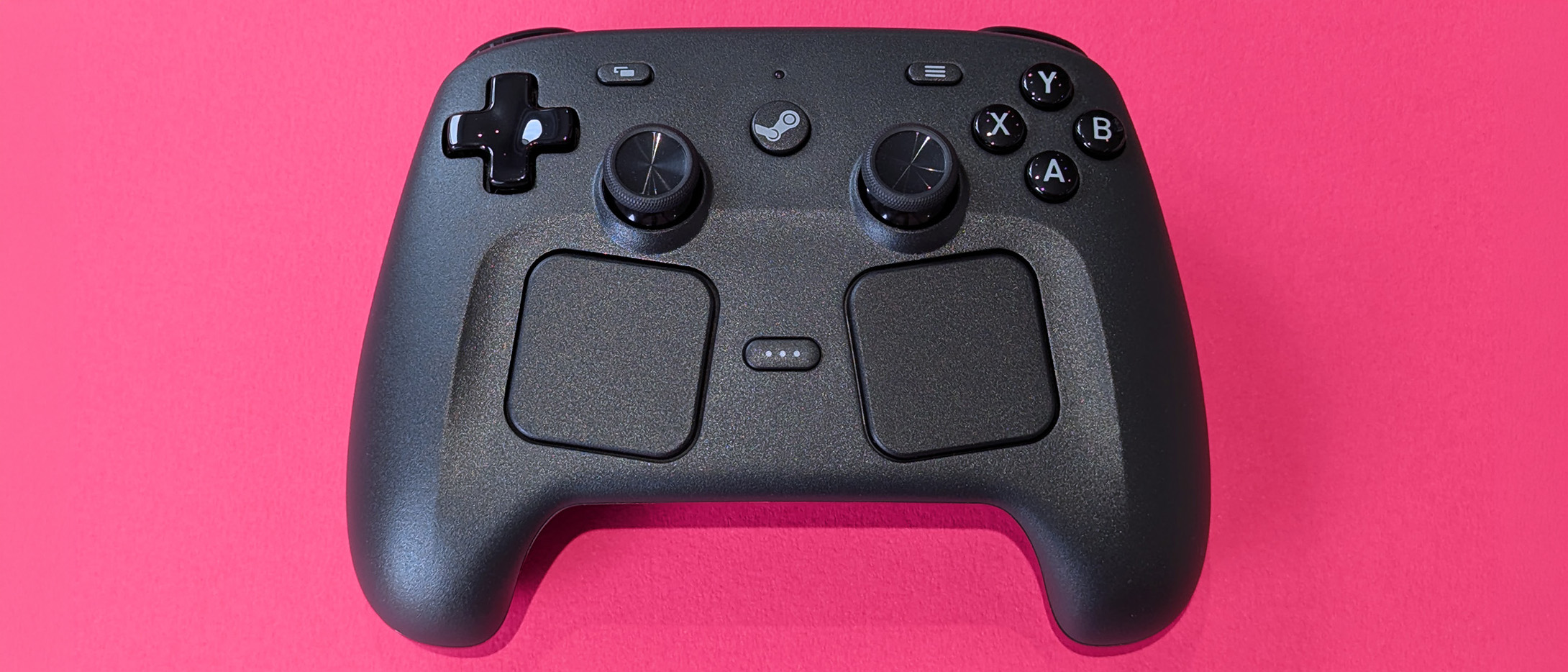
Valve’s new Steam Controller has entered the market with plenty of attention, but its toughest competition may not be Microsoft’s Xbox controller or Sony’s DualSense. A new PC Gamer feature argues that the real challenge comes from third party controller makers that now offer strong features, better specs, and cheaper prices than many official console pads.
The old idea that third party controllers are cheap backup pads for player two no longer fits the PC market. Brands such as GameSir, EasySMX, 8BitDo, Victrix, Razer, and Scuf now make serious controllers with drift resistant sticks, higher polling rates, extra buttons, charging docks, and strong software support.
Third party controllers have moved far beyond the cheap player two reputation
The Steam Controller costs $99 and includes several features that help it stand apart. It has TMR analogue sticks, extra custom buttons, dual trackpads, dual stage magnetic triggers, gyro support, a charging dock, and up to 35 hours of battery life. Compared with a standard Xbox controller or DualSense, that is a strong feature list.
But the problem is that many PC focused third party controllers now offer similar or better hardware for less money. The EasySMX D10, for example, includes TMR sticks, a much higher polling rate, Hall effect triggers, micro switches, extra reprogrammable buttons, and a charging dock. The GameSir G7 Pro offers many of the same benefits with a stronger build and costs about $20 less than the Steam Controller.
| Controller | Key strengths mentioned |
|---|---|
| Steam Controller | TMR sticks, dual trackpads, gyro, dock, 35 hour battery |
| EasySMX D10 | TMR sticks, higher polling rate, Hall effect triggers, extra buttons |
| GameSir G7 Pro | Strong build, premium feel, cheaper than Steam Controller |
| 8BitDo controllers | Strong third party option with good feel |
| Xbox and DualSense | Popular, but less competitive on raw features |
This does not mean Valve’s controller is weak. Its trackpads and gyro support give it a unique identity, especially for PC players who want mouse like input from the couch. That is where the Steam Controller still has a real advantage. It is not trying to be only a normal gamepad. It is trying to bridge controller and mouse input in a way that fits Steam and PC gaming better.
The issue is how the conversation is framed. Many people compare Valve’s controller only with Xbox, PlayStation, and Nintendo pads. In that smaller comparison, the Steam Controller looks much more advanced. But when third party PC controllers are included, the market looks very different.
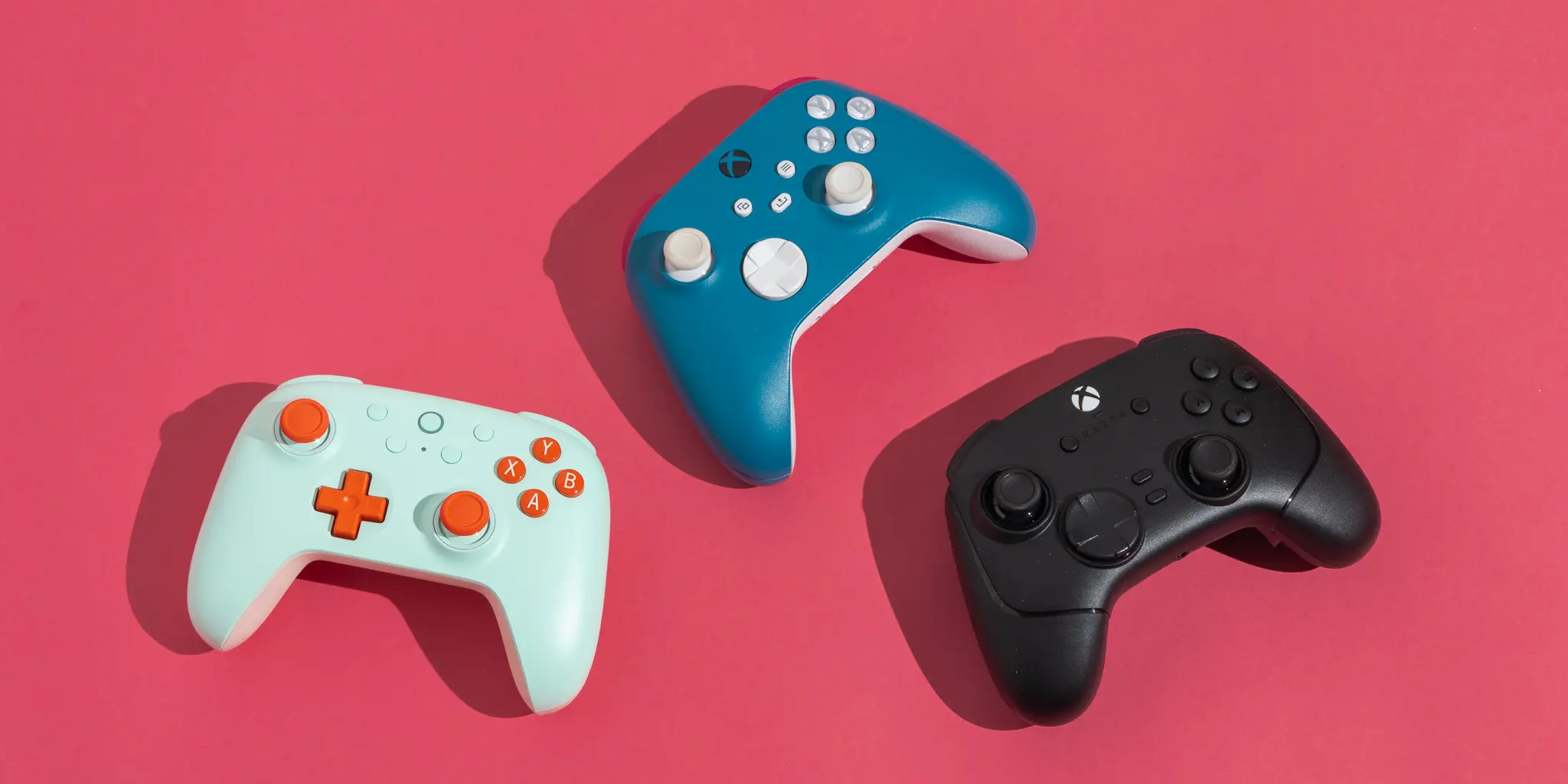
Part of the reason third party pads are often ignored is history. For years, unofficial controllers had a reputation for sticky buttons, strange shapes, poor sticks, and weak build quality. Many players still remember them as the worse controller handed to a second player. But the modern market has changed. Some third party gamepads now feel as good as official controllers and sometimes offer more hardware for the price.
There is also a platform issue. Xbox makes wireless controller support more restrictive, so some third party wireless options need special licensing or separate Xbox versions. PC is much more open. That gives PC players a wider choice and makes third party controllers more important in this market.
The Steam Controller still makes sense for people who specifically want Valve’s touchpads, gyro controls, Steam integration, and couch friendly PC input. But if someone only wants a high quality PC controller with drift resistant sticks, extra buttons, and strong performance, it is no longer obvious that Valve has the best value.
The bigger point is simple. The controller market has changed. Microsoft and Sony still dominate mindshare, but they are no longer the only serious comparison points. If you are spending around $100 on a PC controller, the Steam Controller deserves attention, but so do GameSir, EasySMX, 8BitDo, Victrix, Razer, and other third party options.



Discussion (0)
Be the first to comment.