



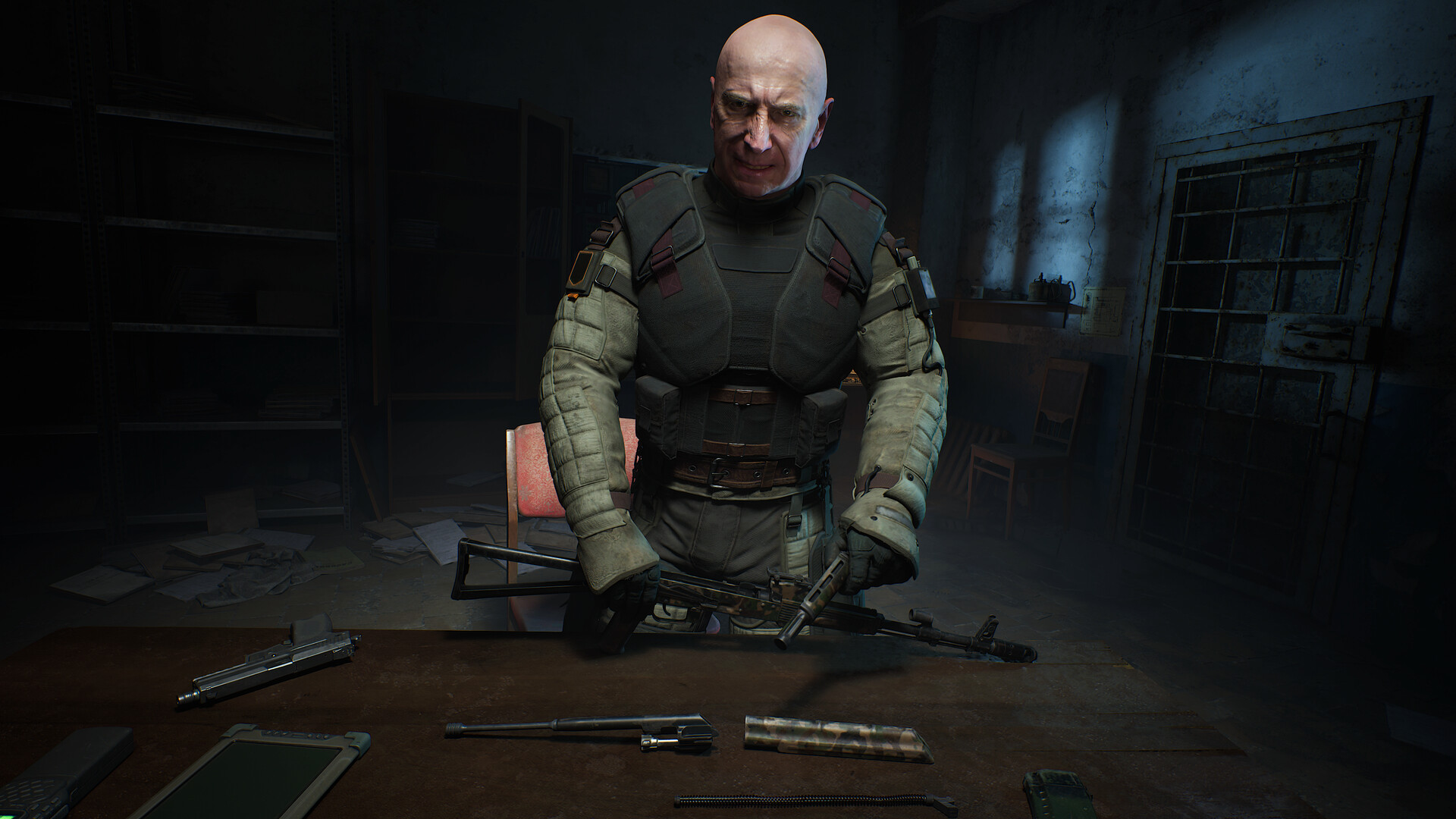
Microsoft reportedly moved quickly to secure STALKER 2: Heart of Chornobyl as an Xbox console exclusive after seeing the strong response to one of the game’s trailers.
GSC Game World founder Serhiy Hryhorovych said the trailer’s YouTube performance attracted Microsoft’s attention and led to a completed exclusivity proposal within roughly one week. According to Hryhorovych, Microsoft approached the Ukrainian studio after executives saw the number of views the video had received.
The agreement was especially valuable for GSC Game World because Microsoft’s payment reportedly exceeded the entire development cost of STALKER 2 before the game launched. That meant the project had already recovered its budget before generating revenue from individual sales.
The exact financial terms have not been disclosed, and there is no public breakdown showing how Microsoft calculated the value of the deal. However, the comments indicate that audience interest played a major role in the company’s decision.
Trailer performance gave Microsoft an early measure of demand
Publishers and platform holders normally evaluate several factors before financing exclusivity, including production quality, franchise history, projected sales, development risk, and potential subscription value.
In this case, trailer views appear to have provided a clear signal that players were interested in a new STALKER game.
| Deal detail | Reported information |
|---|---|
| Game | STALKER 2: Heart of Chornobyl |
| Developer | GSC Game World |
| Platform deal | Xbox console exclusivity |
| Microsoft response time | Around one week |
| Main trigger | Strong trailer view count |
| Launch model | Day one on Xbox Game Pass |
| Developer payment | More than the full development budget |
| Exact financial terms | Not publicly disclosed |
A high view count does not guarantee strong sales, but it can show awareness and excitement before release. For Microsoft, that interest may have made the project attractive as both a console release and a major Xbox Game Pass addition.
STALKER already had an established following on PC, while the sequel offered Xbox a third party game with a distinct identity. Its open world survival systems, atmosphere, and Eastern European setting helped it stand apart from more conventional action games.
The agreement reduced financial risk for GSC Game World
Receiving more than the complete development budget before launch placed the studio in a strong financial position.
Game development is expensive and unpredictable. A delayed release, weak launch, technical problems, or poor sales can leave a studio unable to recover its investment. An exclusivity payment can reduce that risk by guaranteeing revenue before the product enters the market.
For GSC Game World, the deal meant STALKER 2 had effectively paid for its development before individual copies were sold. Revenue from later sales could then contribute toward operating costs, updates, future projects, and profit.
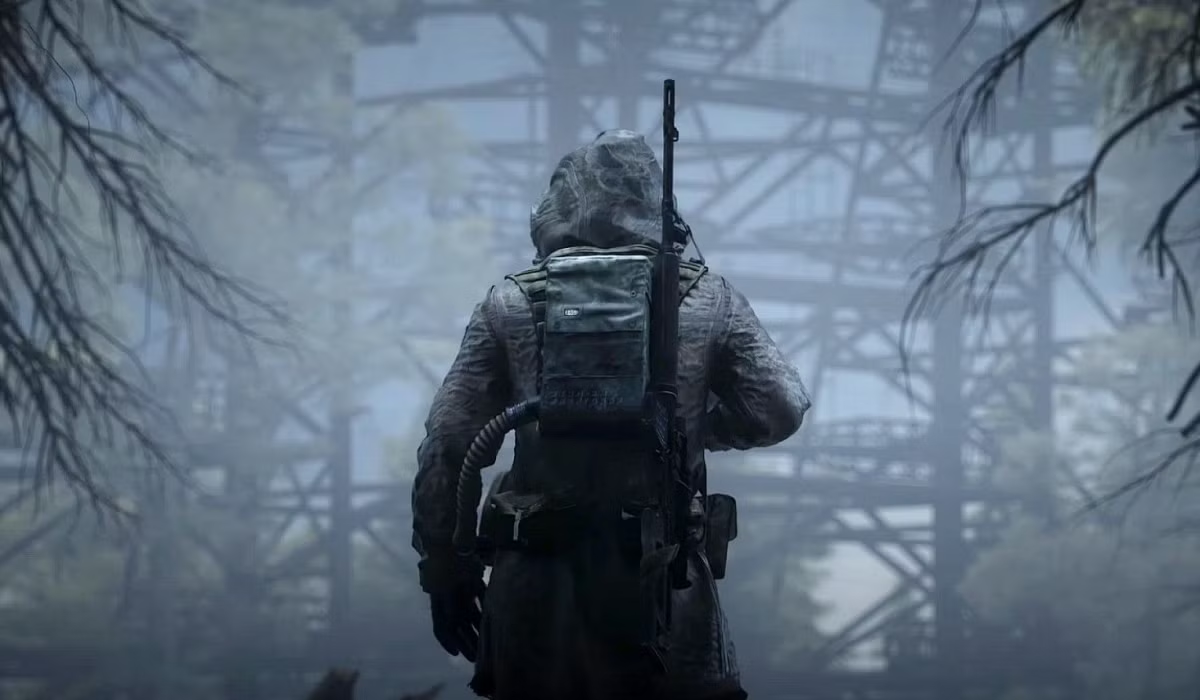
This does not mean the studio faced no financial pressure. Delays, post launch support, additional content, staff costs, and unexpected development problems can continue increasing expenditure after the original budget is set.
The payment nevertheless provided security that many independent developers do not receive.
Xbox Game Pass was likely central to Microsoft’s decision
STALKER 2 launched directly into Xbox Game Pass, making it available to subscribers without a separate purchase.
That model can reduce some full price sales because existing subscribers can play immediately. However, Microsoft values major releases partly for their ability to attract new members, retain current subscribers, and increase activity across the Xbox ecosystem.
| Possible benefit for Microsoft | Explanation |
|---|---|
| Game Pass growth | A major launch can attract new subscribers |
| Subscriber retention | Existing members gain another high profile game |
| Console differentiation | Xbox receives a notable third party exclusive |
| PC ecosystem support | The series already has a strong PC audience |
| Brand value | The agreement adds variety to the Xbox catalogue |
The company may therefore have judged the game differently from a traditional publisher focused mainly on unit sales.
A title can be valuable to Game Pass even when its direct sales are lower, provided it generates subscriptions, engagement, or long term platform loyalty.
Whether Microsoft ultimately recovered the cost of the agreement is difficult to determine because subscription performance, player retention, and internal financial data are not public.
The trailer’s success shortened a process that often takes months
Exclusivity negotiations can involve lengthy discussions about funding, marketing rights, release timing, downloadable content, technical support, and ownership of future versions.
Hryhorovych’s account suggests that Microsoft prepared the paperwork unusually quickly.
The trailer’s performance may have reduced uncertainty about public interest. A recognised franchise with a rapidly growing audience is easier to evaluate than an unknown project with little market evidence.
Microsoft may also have wanted to secure the game before another platform holder made an offer.
The speed of the agreement does not necessarily mean every detail was finalised in seven days. It may indicate that Microsoft made its decision and delivered documents within that period, while further legal or production discussions continued afterward.
Exclusivity gave Xbox a rare third party release
STALKER 2 became one of the more notable third party games associated with Xbox Series X and Series S.
Microsoft has often relied on its first party studios and Game Pass catalogue, but selective third party exclusives can fill gaps in the release schedule and reach audiences interested in specific genres.
STALKER 2 was particularly useful because it already had a dedicated PC community. Bringing the sequel to Xbox allowed Microsoft to connect that audience with its console and subscription platforms.
The agreement also gave GSC Game World access to funding and promotional support during a difficult development period.
The financial success of the deal remains unclear for Microsoft
The arrangement was clearly favourable for the developer, but Microsoft’s return is harder to measure.
A payment larger than the full development budget would have represented a major commitment. The company would need to justify that cost through Game Pass subscriptions, console engagement, platform revenue, or strategic value.
Individual sales alone do not provide a complete answer because subscribers could access the game without buying it.
The deal may still have succeeded if STALKER 2 helped retain enough subscribers or strengthened the Xbox catalogue during an important release period.
Without access to internal data, it is impossible to determine whether the investment produced a direct profit.
What is clear is that the trailer’s popularity gave GSC Game World significant negotiating power. Microsoft saw strong public interest, acted quickly, and offered enough money to cover the project’s development before launch. For the studio, that transformed a risky production into a financially secure release before the first retail copy was sold.



Discussion (0)
Be the first to comment.