



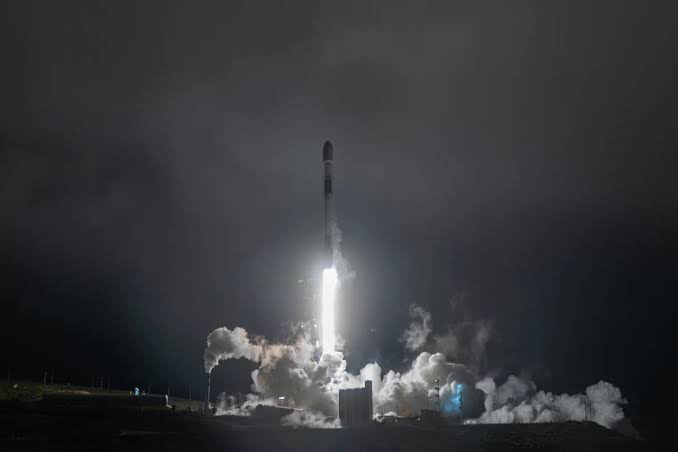
SpaceX has carried the world’s first commercial nuclear powered satellite into orbit as part of its Transporter 17 rideshare mission. The launch took place from Vandenberg Space Force Base in California and delivered 81 payloads to a sun synchronous orbit, including a small BOHR cubesat built by Miami based startup City Labs.
BOHR stands for Betavoltaic Orbital High Reliability. The satellite is roughly softball sized and is designed to test City Labs’ NanoTritium betavoltaic power technology in space. While nuclear power has been used by governments for deep space missions for decades, this launch is different because it brings a commercial nuclear battery system into orbit through a compact satellite payload.
Traditional space nuclear systems have often relied on plutonium based radioisotope thermoelectric generators, which convert heat from radioactive decay into electricity. City Labs is using a different approach. Its NanoTritium battery uses tritium, a radioactive isotope of hydrogen. As tritium decays, it releases low energy beta particles, which are captured by a semiconductor structure and converted directly into electrical current.
BOHR uses solar panels for the satellite while testing tritium power in orbit
The tritium battery is not powerful enough to run the entire spacecraft. Its output is measured in nanowatts to microwatts, so BOHR still uses conventional solar panels for core satellite operations such as housekeeping and bus functions. The nuclear battery is dedicated to powering and validating the internal payload demonstration.
That makes this mission more of a technology validation step than a full replacement for solar powered spacecraft. Still, the long term potential is important. Betavoltaic batteries can produce steady power for more than 20 years without recharging and are not affected by darkness or extreme cold.
| Mission detail | Information |
|---|---|
| Launch mission | SpaceX Transporter 17 |
| Launch site | Vandenberg Space Force Base |
| Orbit | Sun synchronous orbit |
| Total payloads | 81 |
| Satellite | BOHR cubesat |
| Builder | City Labs |
| Power technology | NanoTritium betavoltaic battery |
| Radioactive material | Tritium |
| Expected battery life | More than 20 years |
| Main purpose | In orbit nuclear battery demonstration |
The use of tritium also matters from a safety standpoint. Tritium emits very low energy radiation, which makes the battery easier to handle, transport, and integrate compared with more powerful radioisotope systems. That helped make it suitable for a standard commercial launch environment, although the mission still required federal review.
BOHR is also notable because it became the first commercial nuclear mission to receive launch clearance through the FAA’s payload authorization pathway under National Security Presidential Memorandum 20. City Labs prepared the required safety analysis with independent validation from Sandia National Laboratories and secured federal approval in September last year.
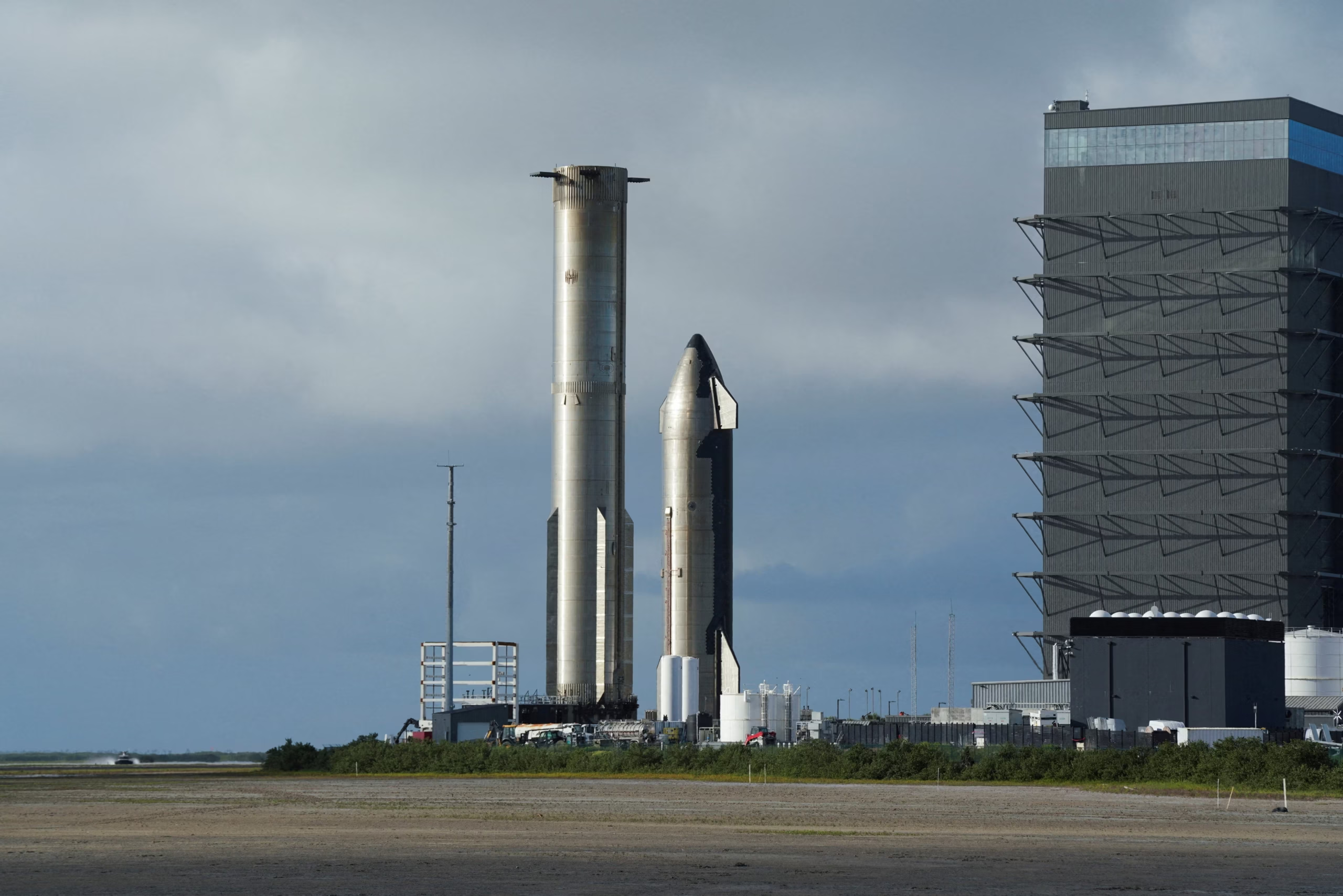
The timing is important for space exploration. As NASA pushes the Artemis program toward a sustained human presence on the Moon, and private companies plan missions beyond low Earth orbit, reliable power systems will become more important. Solar power works well in many situations, but it becomes less dependable in deep shadow, harsh cold, long lunar nights, or missions that travel farther from the Sun.
A long life nuclear battery could support small sensors, backup systems, communications hardware, and scientific instruments that need modest but continuous power. It would not replace high output solar arrays or larger nuclear systems, but it could fill a useful gap for low power missions that need durability and independence from sunlight.
City Labs has received support from the Department of Defense, NASA, and the Air Force Research Laboratory. The company plans to begin collecting usable performance data from the orbital payload within weeks. Those results will help show whether NanoTritium batteries can operate reliably in space and whether the technology is ready for broader use.
SpaceX’s role in the mission is also worth noting. Rideshare launches such as Transporter 17 allow small companies to test specialized spacecraft without needing a dedicated rocket. For a startup working on a new space power system, that access can shorten the path from lab testing to orbital validation.
BOHR will not power a large spacecraft by itself, but its launch marks an important first step for commercial nuclear power in orbit. If the test succeeds, tritium based betavoltaic batteries could become a practical option for long duration, low power space missions where sunlight is limited or reliability matters more than high output.



Discussion (0)
Be the first to comment.