




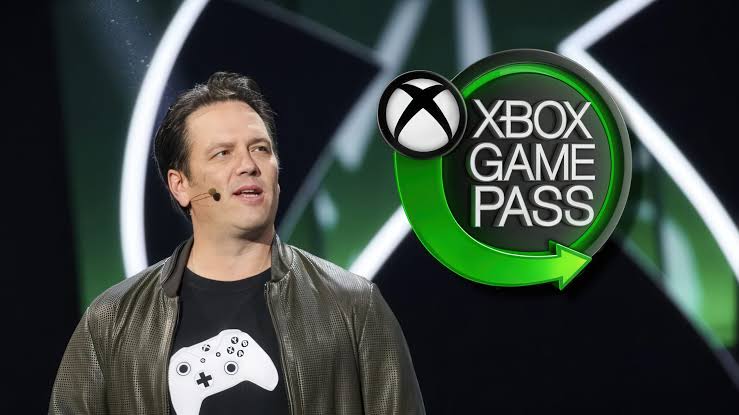
Some senior figures within Xbox studios reportedly have serious concerns about Xbox Game Pass and believe the subscription service has reduced the perceived value of their work.
The claim comes from reporter Jason Schreier, who said that a number of people in Xbox studio leadership strongly dislike the service. According to the report, those executives believe Game Pass has harmed the value of individual games and contributed to a wider expectation that new releases should be available through a subscription rather than purchased directly.
A separate report based on comments from an apparent former Xbox studio leader raised a similar concern. The former executive reportedly argued that placing games into Game Pass on launch day can suggest that those titles do not have enough market value to sell on their own.
These views do not represent an official Xbox position, and there are likely other leaders within Microsoft who continue to support the day one model. Even so, the comments show that Game Pass remains a source of internal debate as Xbox considers how to balance subscriptions, game sales and studio profitability.
| Issue | Reported concern |
|---|---|
| Day one Game Pass releases | May reduce full price sales |
| Perceived game value | Subscription access may make games feel less valuable |
| Studio performance | Player numbers may not translate into clear revenue |
| Subscriber expectations | Removing day one games could lead to cancellations |
| Microsoft’s challenge | Protect Game Pass revenue while improving game sales |
| Official policy change | Not confirmed |
Day one releases remain the main attraction of Game Pass
Game Pass became distinctive because Microsoft promised that first party Xbox games would enter the service on release day.
That policy gave subscribers access to major games without paying the normal purchase price. For players, it created clear value and reduced the financial risk of trying unfamiliar releases.
For studios, the effect is more complicated.
A game can reach millions of players through Game Pass, but those players may not buy it. High engagement can improve visibility, create larger communities and generate downloadable content sales, but it may also make traditional launch performance more difficult to measure.
This problem becomes more noticeable when Microsoft judges studios using sales expectations that do not fully account for subscription access.
A game may attract a large audience through Game Pass and still be described as underperforming if direct sales remain low. Unless internal Game Pass revenue is clearly assigned to individual releases, studio leaders may feel that their games are being placed in a system that weakens sales and then punished for the result.
Microsoft has already changed how Call of Duty uses the service
Recent changes to Call of Duty have increased speculation about the future of day one releases.
Microsoft removed day one Call of Duty access from the Ultimate tier as part of a wider adjustment to Game Pass pricing and benefits. That decision suggests the company is willing to treat its largest franchises differently when the potential loss of direct sales becomes too significant.
Call of Duty is an unusual case because it generates substantial revenue through full price sales, premium editions, downloadable content and in game purchases. Microsoft may believe that including every release in a lower priced subscription creates too much financial pressure.
The larger question is whether the same logic could eventually be applied to Halo, Gears of War, Forza, Fable or other major Xbox games.
No broader removal of day one first party releases has been announced. Any suggestion that the policy will definitely change remains speculation.
Game Pass still produces major recurring revenue
Despite the criticism, Game Pass remains an important part of Microsoft’s gaming business.
The service reportedly has around 30 million subscribers and generates billions in recurring revenue. That gives Xbox a predictable source of income that does not depend entirely on individual game launches.
The service also helps smaller or less familiar games reach audiences that may never have purchased them. Some players later buy expansions, sequels or related products after discovering a title through the catalogue.
For independent developers, a Game Pass agreement can provide financial certainty before release. It can reduce risk and create immediate visibility in a crowded market.
The effect is different for large first party games with expensive development budgets. A major release may need strong full price sales to justify its cost, especially when it has taken several years and hundreds of employees to complete.
This means Game Pass may be valuable for one type of game while creating problems for another.
Removing day one games would carry its own risks
Microsoft cannot easily change the service without affecting the people who subscribe to it.
For many customers, day one access is the main reason to pay for Game Pass Ultimate. Removing that benefit could lead to cancellations and weaken Xbox’s strongest advantage over competing subscription services.
The company would then need to convince players that the remaining catalogue, cloud gaming and online benefits still justify the monthly price.
A delayed model may offer a compromise. Large first party games could launch through normal sales before joining Game Pass three, six or twelve months later. Smaller games and selected partner releases could continue arriving on day one.
Another possibility would be a more expensive tier that retains day one access while lower tiers receive games later.
Each option creates tradeoffs. Delays may improve launch sales, but they would also make the service less attractive and could confuse customers if release rules vary between franchises.
Xbox must decide how it measures success
The most important issue is not simply whether games appear in Game Pass. It is how Microsoft evaluates the studios that make them.
If a game launches through the service, traditional sales figures cannot provide the full picture. Xbox needs to consider subscriber growth, retention, hours played, downloadable content revenue and the number of people who remain engaged with the wider ecosystem.
Without a clear internal model, studios may feel that Game Pass reduces their sales while providing no direct credit for the audience it creates.
The reported criticism does not prove that Xbox will end day one releases. It does show that the service is no longer viewed as a simple solution to the company’s business challenges.
Game Pass gives players strong value and Microsoft reliable subscription income, but it can also complicate game pricing, studio performance and long term profitability. Xbox now faces the difficult task of preserving the benefits that made the service popular while ensuring its games can still support the teams that create them.



Discussion (0)
Be the first to comment.