



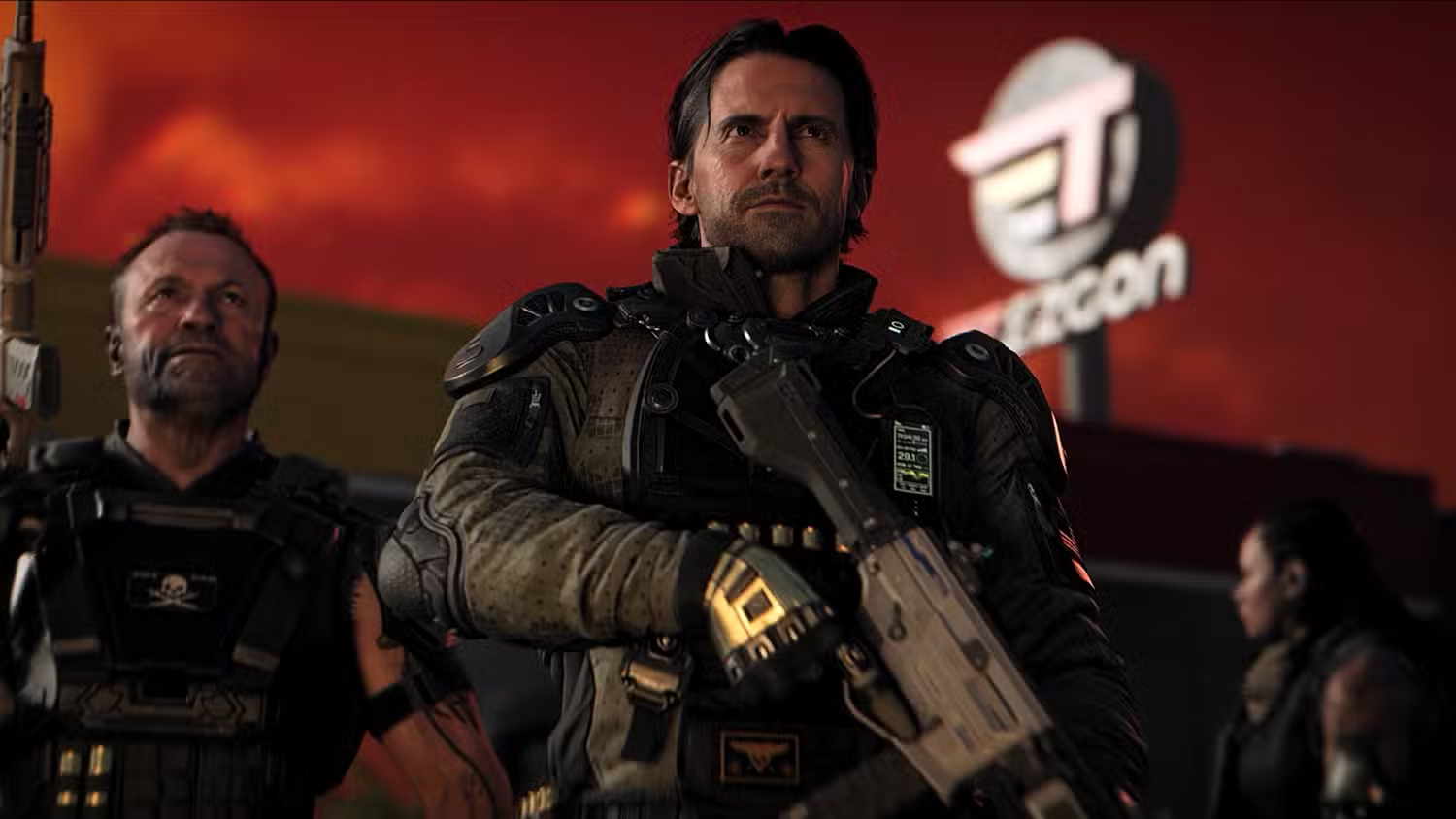
Sin could have been one of 1998’s biggest PC shooters, but its launch was hurt by bugs, publisher tension, and the arrival of Half Life only a few weeks later. Former Sin design and marketing lead Robert M. Atkins has now shared more detail on what went wrong, saying Activision was so annoyed with Ritual Entertainment by launch that it did not properly test the game’s gold master.
Speaking on Nightdive Studios’ Deep Dive podcast, Atkins said the relationship between Ritual and Activision became strained partly because of Gathering of Developers, a developer owned publisher formed by several studios, including Ritual. The group presented itself as a fairer alternative to traditional publishers, and some public comments from its leadership reportedly criticized publishers more broadly.
A broken gold master and Half Life’s arrival left Sin fighting an impossible battle
Atkins said those comments angered Activision because Ritual already had what he described as an unusually fair deal. He said Activision had given the studio a 50 50 royalty arrangement, which made Ritual look like a “problem child” when the developer owned publisher started pushing anti publisher messaging.
The bigger problem came when Sin’s gold master shipped. According to Atkins, Activision accepted it without properly testing it. That was serious because one of Ritual’s designers had accidentally disabled the game’s first boss before the final build was sent. The issue reached players and reviewers, adding to the game’s reputation for bugs.
| Issue | What happened |
|---|---|
| Game | Sin |
| Developer | Ritual Entertainment |
| Publisher | Activision |
| Launch year | 1998 |
| Main launch problem | Bugs in the gold master |
| Specific bug mentioned | First boss was turned off |
| Major competitor | Half Life |
| Upcoming rerelease | Sin: Reloaded from Nightdive |
Sin was already facing a difficult market. The game launched only a few weeks before Half Life, which changed expectations for first person shooters almost immediately. Half Life’s storytelling, pacing, AI, and level design made many older shooter structures feel dated overnight.
That timing hurt Sin badly. Ritual’s game was built as a loud, violent, personality driven action shooter. It had ambitious franchise plans too, including a comic book and animated movie. But Half Life changed the conversation around PC shooters, and Sin’s bugs made it harder for the game to stand on its own.
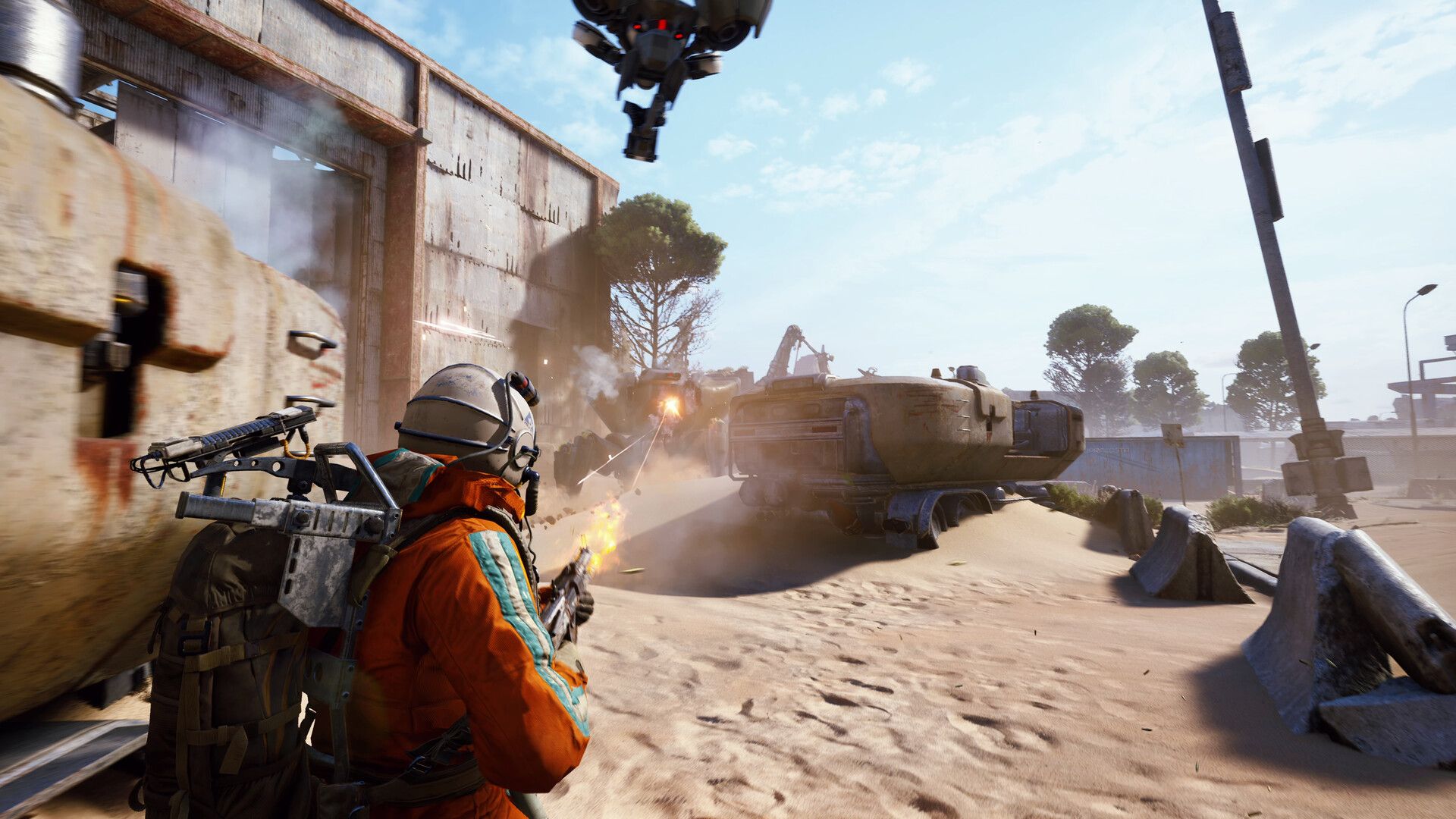
Atkins said the technical problems damaged reviews. That matters because Sin was not ignored because it had no ideas. It had style, attitude, multimedia ambition, and strong pre launch interest. But a buggy release can quickly bury a game, especially when a genre defining competitor arrives almost immediately after it.
The story also shows how fragile game launches were in the late 1990s. A faulty gold master could go out with major problems, and patches were not as frictionless or automatic as they are now. A bad first impression could permanently shape a game’s reputation.
Sin did not disappear completely. Nightdive Studios recently brought Sin: Reloaded back into view after years of silence. A final release date has not been confirmed yet, but the remaster gives the game another chance to be judged outside the chaos of 1998.
For now, Atkins’ comments add more context to why Sin missed its moment. It was not only crushed by Half Life. It also launched with serious bugs after publisher tensions weakened the support it needed at the finish line.



Discussion (0)
Be the first to comment.