



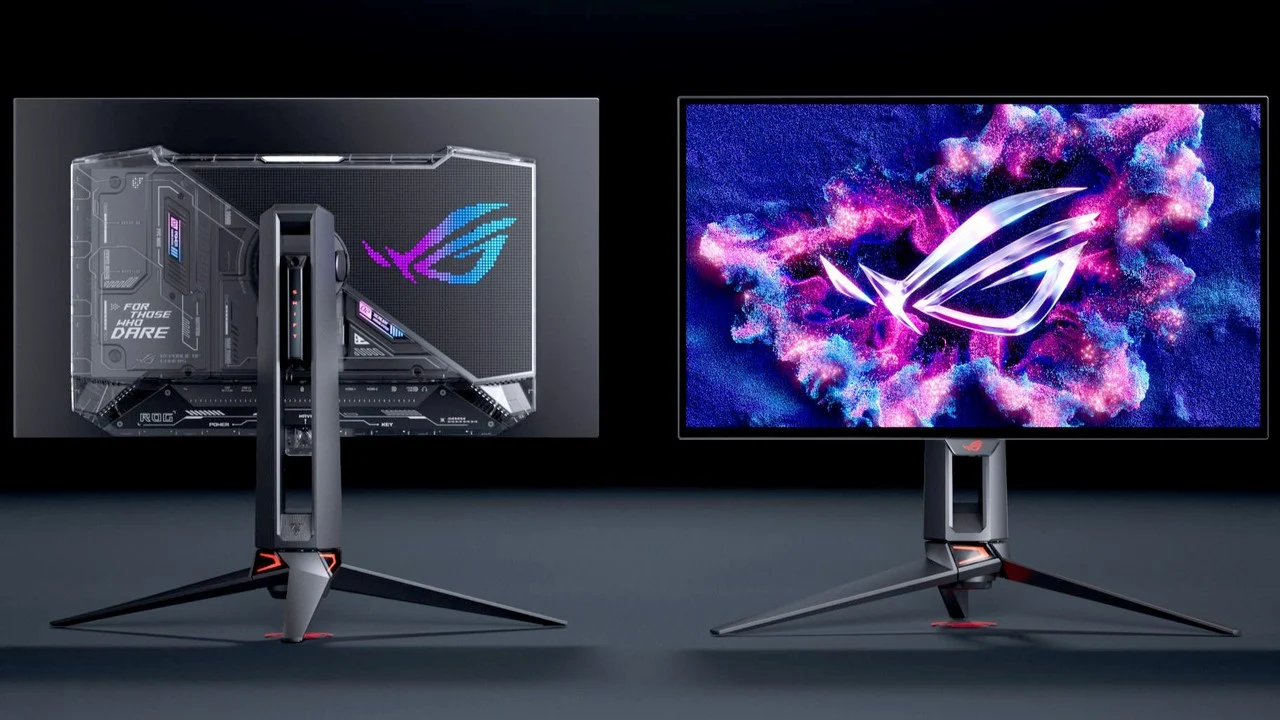
Samsung Display has developed a new QD OLED monitor panel that combines 4K resolution with a 360Hz refresh rate, removing one of the biggest tradeoffs in high end gaming monitors. Until now, buyers usually had to choose between sharp 4K visuals and very high refresh rates. Samsung’s new 31.5 inch panel aims to deliver both in one display.
The panel will be shown at Computex 2026, and Samsung says it is the first QD OLED monitor panel to support 4K at 360Hz. That is important because monitor makers have usually needed to reduce refresh rates to 240Hz or lower at 4K, or drop resolution to QHD when pushing refresh rates above 360Hz. The challenge comes from the large amount of pixel data that needs to be processed every second when both resolution and refresh rate are pushed this high.
Samsung says it solved the problem by improving the panel circuitry and driving system. In simple terms, the display needs to update millions of pixels very quickly while keeping image quality stable. That is not easy, especially on OLED panels where speed, brightness, color, and pixel behavior all need careful control.
Dual Mode gives gamers 4K clarity or 680Hz speed depending on the game
The new panel also supports Dual Mode, which lets players switch between different resolution and refresh rate combinations. At full 4K, the panel runs at 360Hz. When the resolution is lowered to Full HD, the refresh rate can climb to 680Hz. That gives competitive players a faster mode for esports and first person shooters, while still keeping 4K available for cinematic games, creative work, and everyday use.
| Feature | Samsung’s new QD OLED panel |
|---|---|
| Size | 31.5 inches |
| Resolution | 4K |
| Native refresh rate | 360Hz |
| Dual Mode refresh rate | Up to 680Hz at Full HD |
| HDR certification | DisplayHDR True Black 600 |
| Pixel structure | New V stripe layout |
| Production plan | Mass production in the second half of 2026 |
The DisplayHDR True Black 600 certification is another major detail. It means the panel can reach deep black levels of 0.0005 nits or lower while also hitting higher HDR brightness targets. For QD OLED monitors, that matters because HDR performance depends on both bright highlights and truly dark blacks. This should help games and videos look more dramatic without losing detail in dark scenes.
Samsung is also using a new V stripe pixel structure. OLED monitors have sometimes faced criticism for text clarity, especially when used for work, coding, or document editing. The new V stripe layout arranges red, green, and blue subpixels in vertical stripe patterns, which should make text edges look sharper. That could make the panel more practical for people who want one monitor for gaming and professional work.
This is not only a gaming panel. A 4K 360Hz QD OLED display with improved text readability could appeal to video editors, designers, streamers, developers, and anyone who wants a premium all purpose monitor. The fast refresh rate helps with games, but the resolution, HDR support, and better text rendering make it more useful outside gaming too.
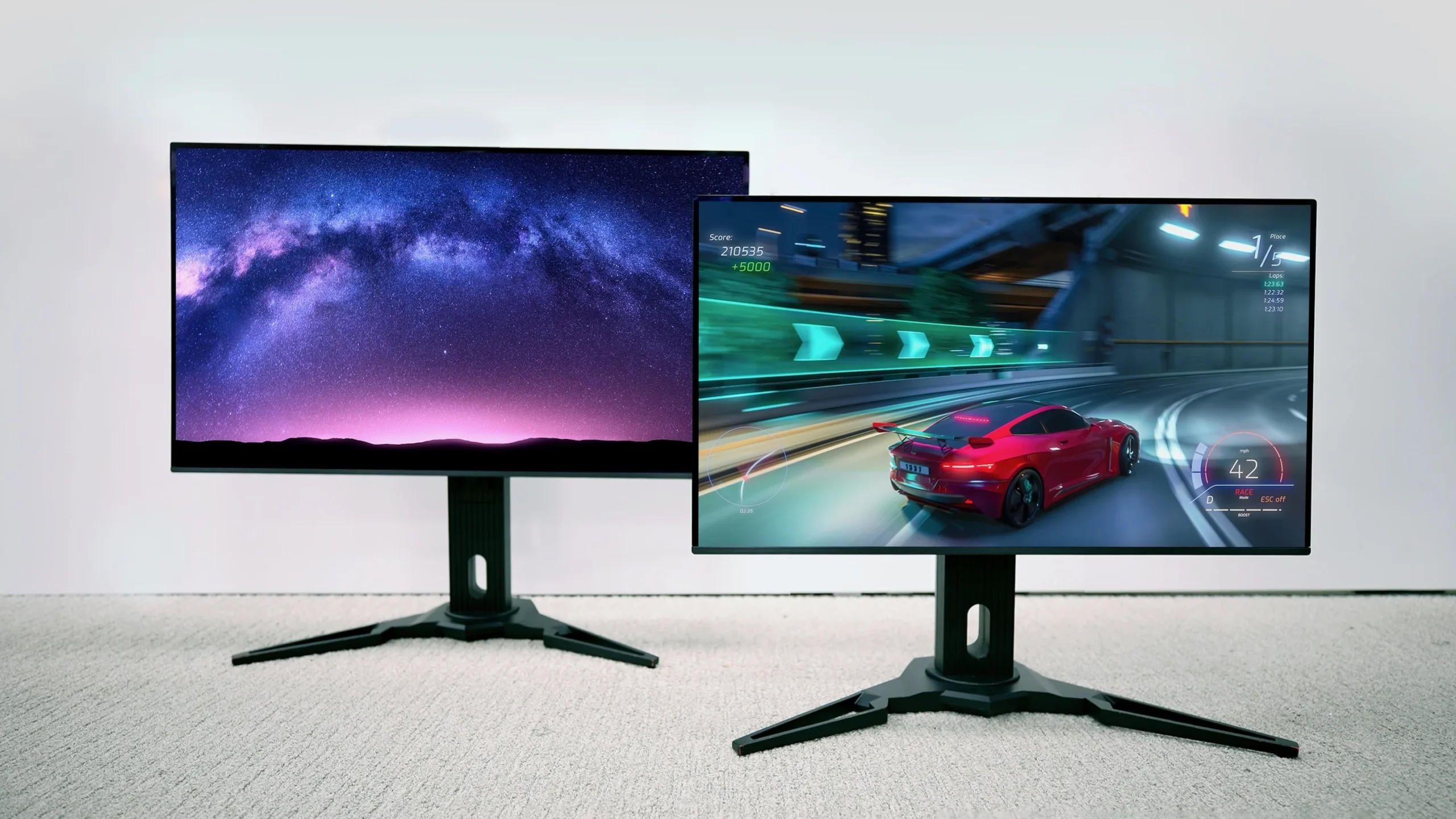
Samsung says it is already in talks with more than 10 global brands to supply the panel. Full scale mass production is planned for the second half of 2026, which means the first monitors using this technology could start appearing after that.
Pricing has not been announced, but this will likely sit at the top end of the monitor market. Still, the technology is meaningful. Samsung’s new QD OLED panel shows that the old choice between 4K sharpness and extreme refresh rate is starting to disappear.



Discussion (0)
Be the first to comment.