


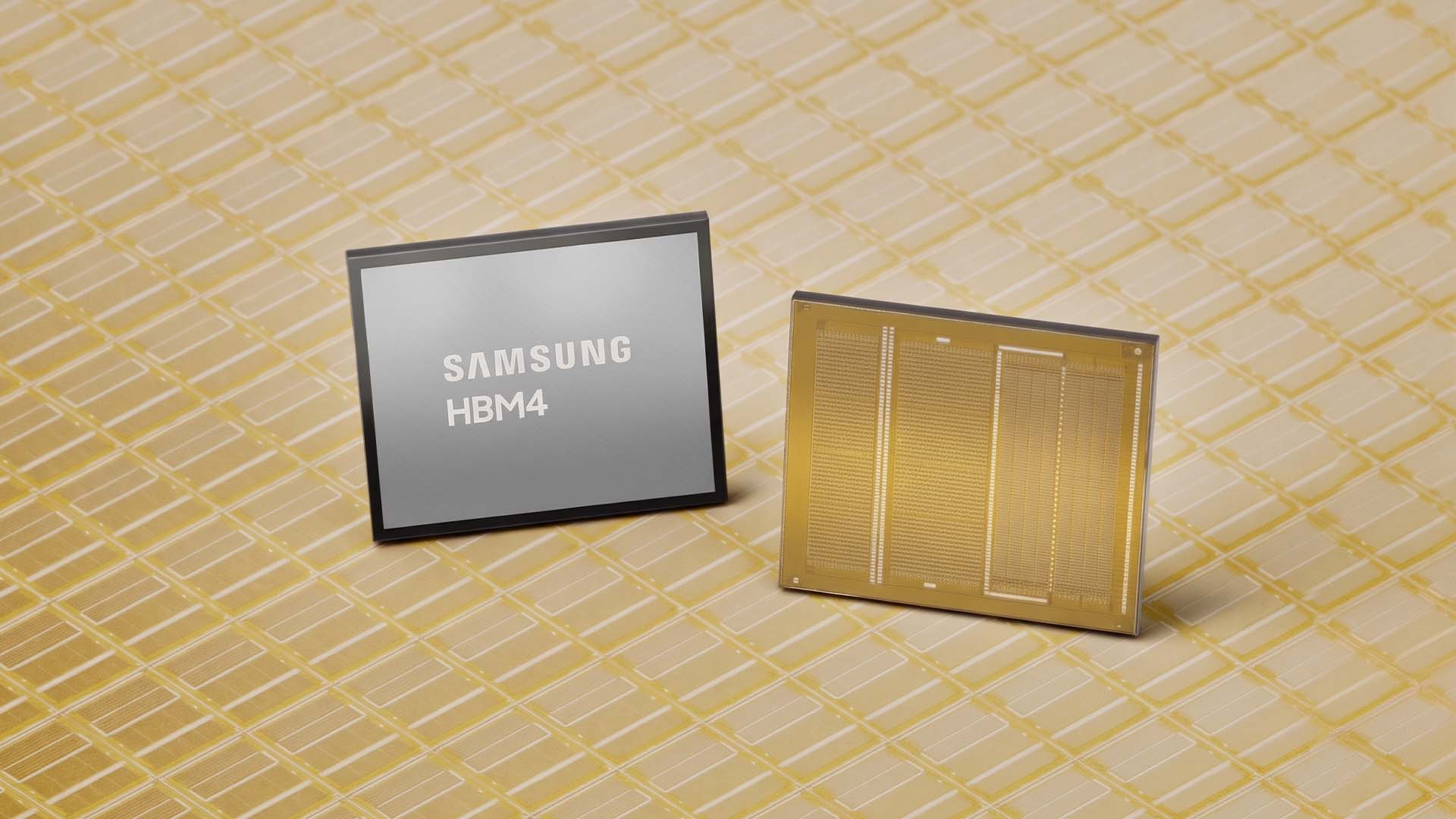
Samsung is reportedly charging data center customers a premium for high bandwidth memory (HBM), with estimated prices reaching $4.50 per GB, higher than competing offers from Micron and SK hynix.
The difference is reportedly linked to Samsung's manufacturing capacity and ability to deliver large quantities of memory consistently, an increasingly important consideration for companies expanding artificial intelligence infrastructure.
According to pricing estimates circulating from an industry expert interview, Samsung's HBM quotation is up to 25% higher than those of its competitors.
However, these figures remain unverified, and the specific HBM generation covered by the comparison has not been identified.
Samsung HBM Pricing Compared With Micron and SK hynix
The reported quotations suggest that data center operators are willing to pay more when suppliers can provide dependable shipments.
| Manufacturer | Estimated HBM price per GB |
|---|---|
| Samsung | $4.50 |
| Micron | $4.00 |
| SK hynix | $3.60 to $3.80 |
Samsung's estimated quotation is approximately 12.5% higher than Micron's and between 18% and 25% higher than SK hynix's.
Earlier reports also suggested that Samsung's HBM4 memory could cost between $4 and $5 per GB, roughly three times the estimated $1.50 per GB associated with HBM3E.
These comparisons indicate how advanced memory pricing is changing as AI computing demand increases.
Samsung's Manufacturing Capabilities Could Support Higher Prices
Samsung's advantage reportedly comes from its broader semiconductor manufacturing operations, including its foundry business.
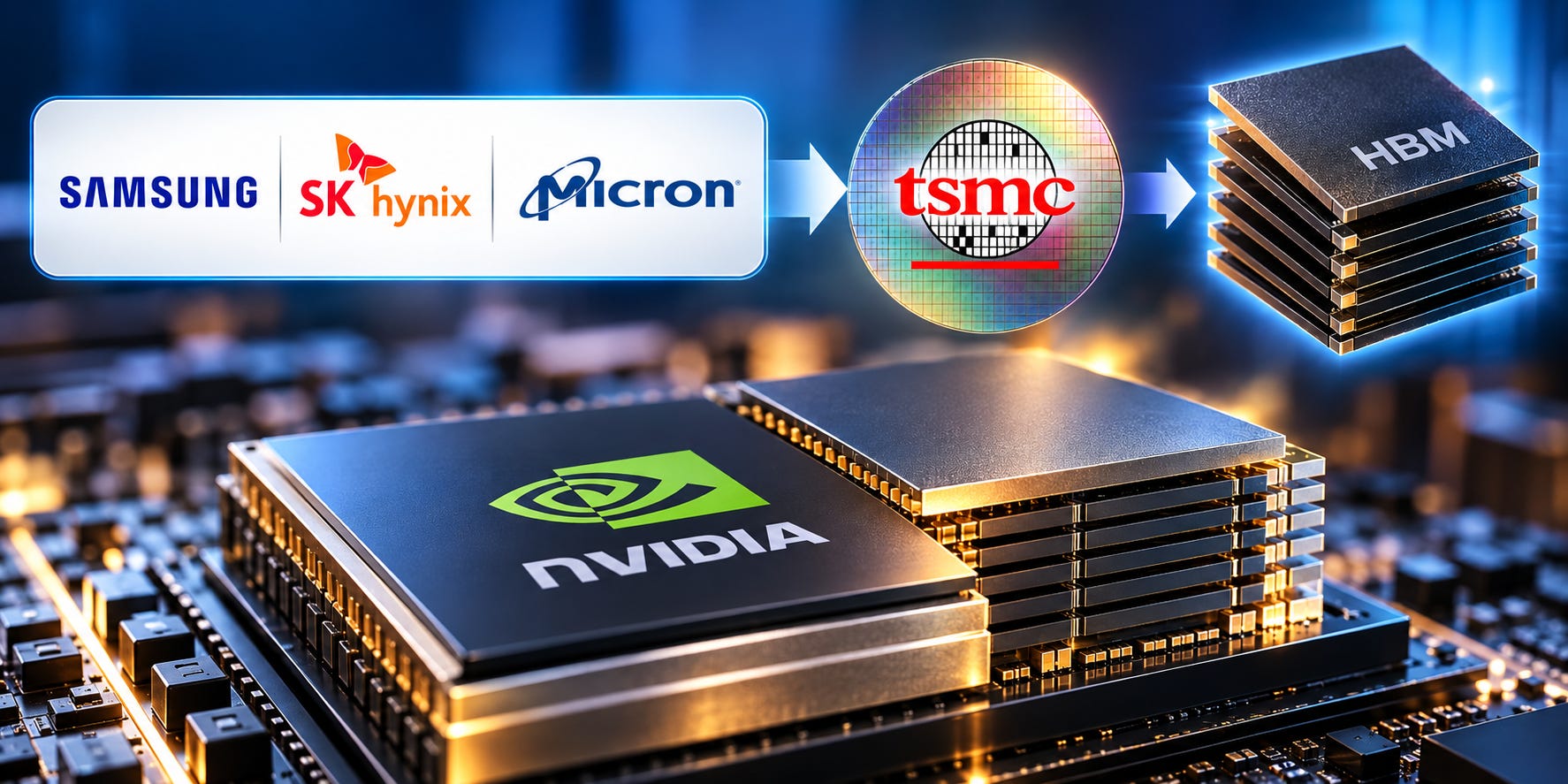
Unlike competitors focused primarily on memory production, Samsung develops advanced logic manufacturing processes alongside DRAM technologies.
Its mature 4nm manufacturing process is reportedly helping improve HBM4 production efficiency and reduce manufacturing defects.
Previous estimates suggested that Samsung had achieved HBM4 manufacturing yields of approximately 80%.
Higher yields can increase the number of usable chips produced from each manufacturing batch, supporting more predictable deliveries.
However, the reported yield figures have not been independently confirmed.
AI Data Centers Are Paying More for Supply Stability
Demand for HBM continues to increase as AI accelerators require substantial memory bandwidth to handle increasingly complex workloads.
For data center operators, securing sufficient memory can be more important than obtaining the lowest quoted price.
Reliable production schedules help companies plan server deployments and reduce the risk of delayed infrastructure expansion.
Samsung's combination of advanced manufacturing capabilities and memory production capacity may therefore strengthen its negotiating position.
Nevertheless, the reported prices should be treated as industry estimates rather than confirmed contract rates. Actual costs may vary depending on memory specifications, purchase volumes, and supply agreements.


Discussion (0)
Be the first to comment.