



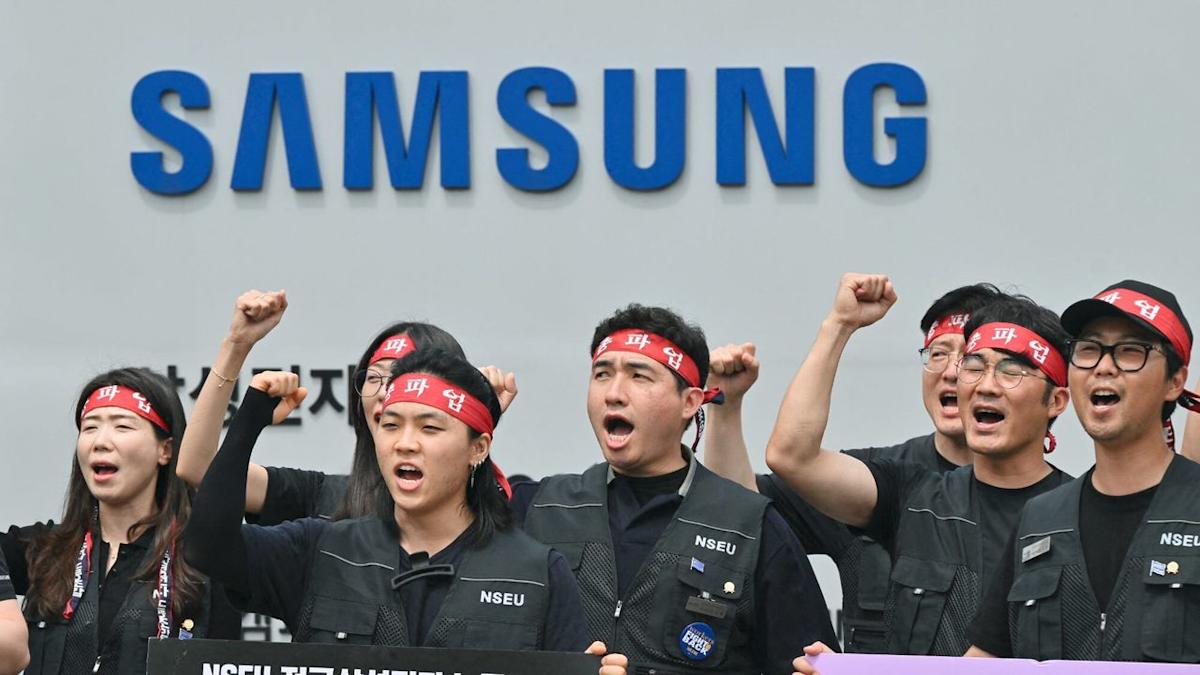
Samsung’s memory chip workers are still pushing for a larger bonus even after management offered a 10 percent payout tied to operating profit.
The dispute comes as memory prices rise and Samsung’s semiconductor business becomes more important to the wider AI supply chain. Workers in Samsung’s memory division have been demanding a bigger share of the unit’s profits, arguing that their bonus should reflect the division’s role in the company’s recovery.
The union had asked for a bonus equal to 15 percent of the semiconductor business’s operating profit, annual wage increases, and the removal of a bonus cap. Workers also want the bonus system to be formally written into company policy so future payouts do not have to be renegotiated every year.
Samsung management reportedly offered a 10 percent bonus and a 6.2 percent wage increase. The company has also agreed to codify the bonus for three years and later institutionalize it.
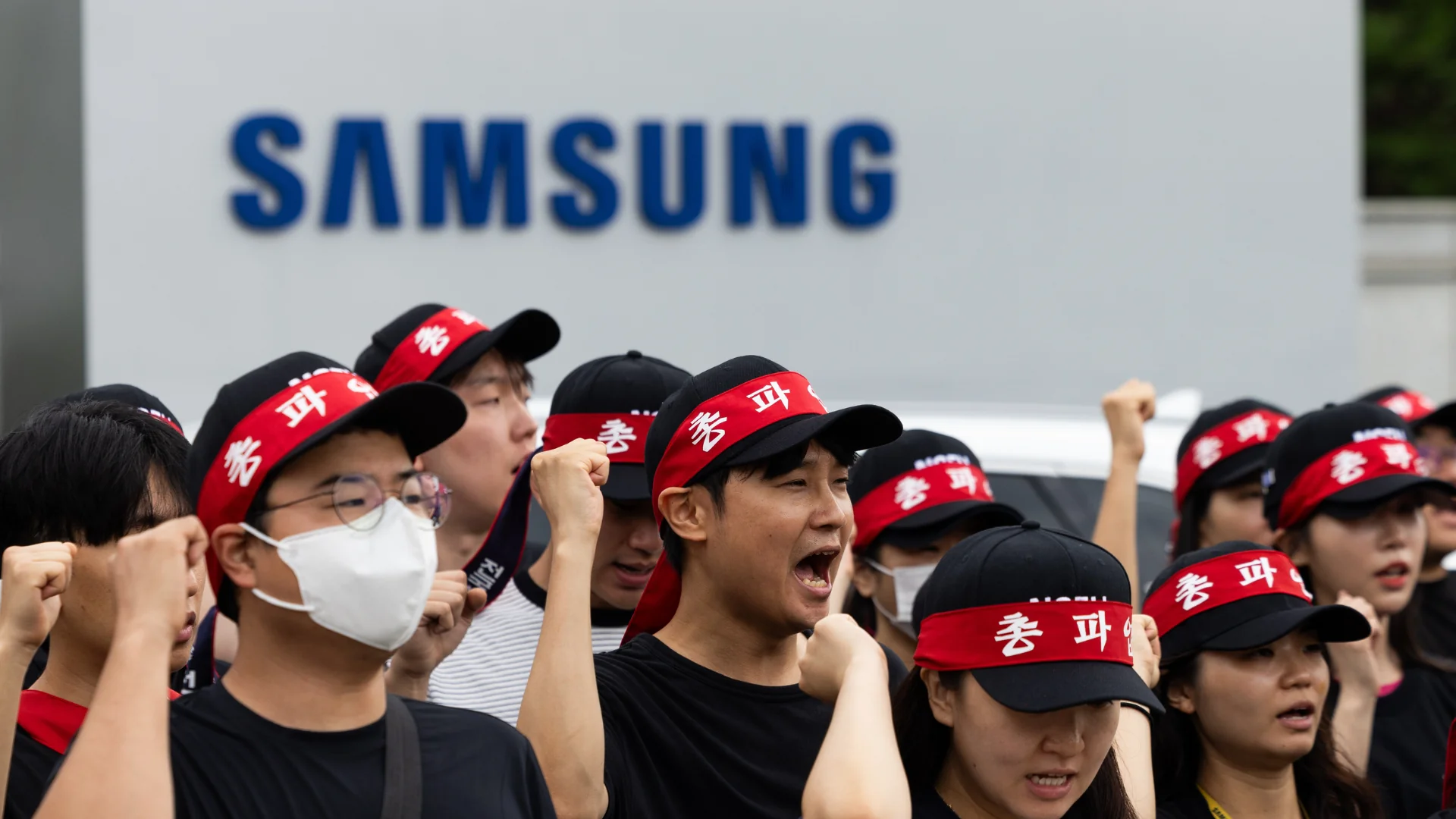
That may sound like progress, but union members are not satisfied. They see the offer as a divisive move and are urging workers to stay united ahead of a planned general strike starting May 21.
The possible strike could last 18 days. Estimates suggest that a full strike could cost Samsung between $6.9 billion and $11.7 billion in direct costs.
Here is the main picture:
| Issue | Current status |
|---|---|
| Worker demand | Bonus equal to 15 percent of semiconductor operating profit |
| Samsung offer | 10 percent bonus and 6.2 percent pay increase |
| Bonus policy | Samsung would codify it for three years, then institutionalize it |
| Strike plan | General strike planned from May 21 |
| Possible duration | 18 days |
| Estimated strike cost | $6.9 billion to $11.7 billion |
| Main concern | Workers say the offer is still too low and may divide the union |
The dispute also has wider market implications. Several brokerages reportedly cut their Samsung share price targets because of concerns that a larger bonus payout could hurt operating profit.
For Samsung, the timing is difficult. AI demand has pushed memory chips into the spotlight, and any disruption in Samsung’s memory business could matter beyond the company itself. HBM, DRAM, and other memory products are already in tight supply as AI data centers expand.
The union’s argument is simple. If Samsung’s memory business is benefiting from stronger demand and rising prices, workers want a larger and more permanent share of that success.
Samsung has moved closer to the workers’ position, but not enough to stop the strike threat. Unless both sides reach a stronger agreement before May 21, the company could face one of its most expensive labor disruptions at a critical moment for the memory market.



Discussion (0)
Be the first to comment.