



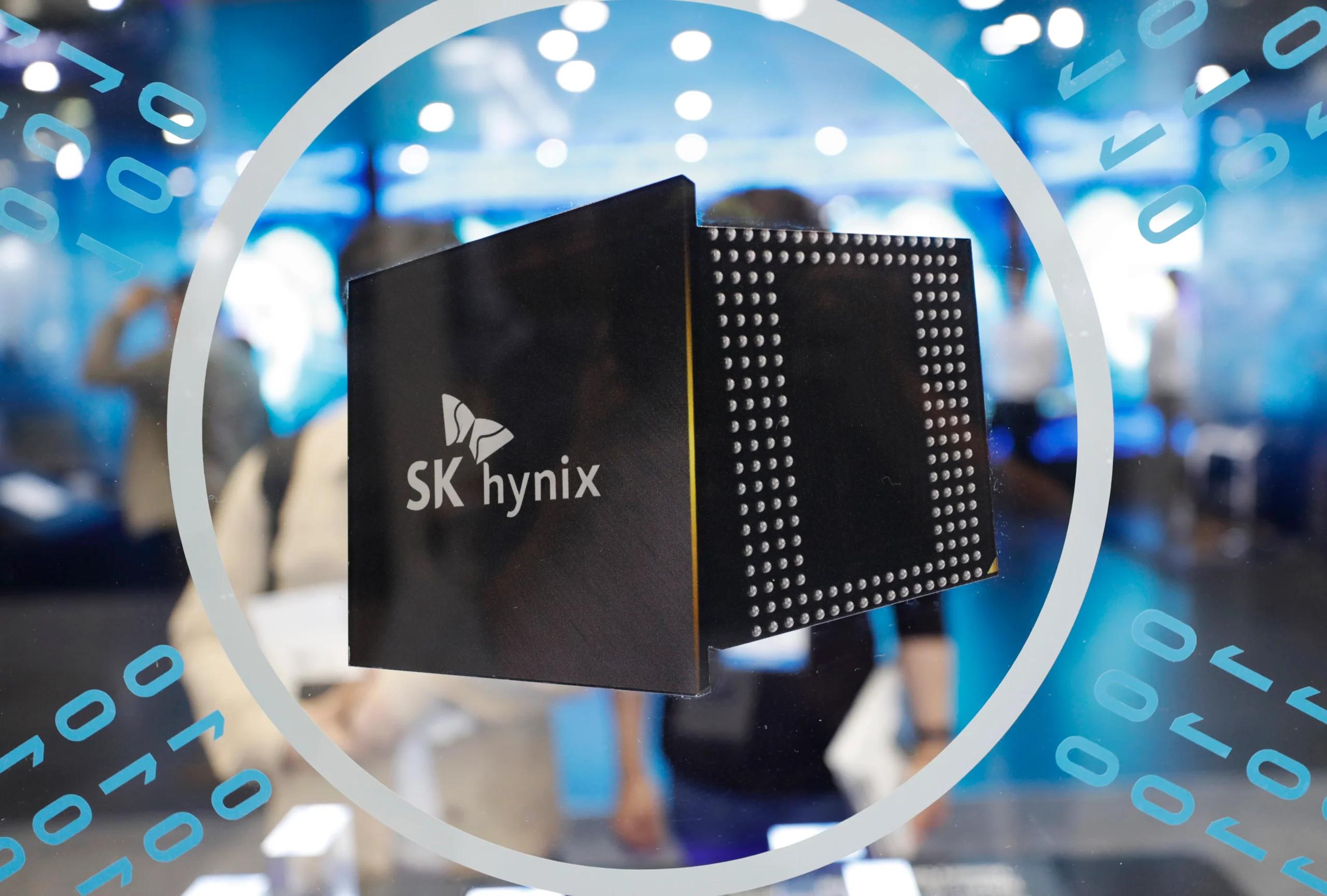
Samsung and SK hynix are reportedly evaluating semiconductor manufacturing equipment from Chinese supplier AMEC as they prepare for the possibility of tighter US export controls affecting their factories in China.
The two South Korean memory manufacturers operate important NAND and DRAM facilities inside China. Those plants depend on regular access to replacement parts, upgrades, and advanced production tools. If Washington restricts the transfer of more Western equipment, the companies may need alternative suppliers to keep those factories operating.
Chinese tools could provide that backup. AMEC’s semiconductor etching systems are reportedly priced around 20 to 30 percent below comparable Western equipment, giving Samsung and SK hynix both a cost advantage and protection against future supply restrictions.
Neither company has confirmed that it is testing AMEC equipment. Both have issued denials or similar responses, leaving the exact status of the reported evaluations uncertain.
China Fabs Face Growing Equipment Risk
Samsung operates a large NAND flash memory facility in Xian. SK hynix produces NAND in Dalian and DRAM in Wuxi.
These factories represent major investments and supply a meaningful share of each company’s memory output. They cannot remain competitive without periodic equipment upgrades, process improvements, and access to replacement components.
| Company | China manufacturing location | Main products |
|---|---|---|
| Samsung | Xian | NAND flash memory |
| SK hynix | Dalian | NAND flash memory |
| SK hynix | Wuxi | DRAM |
The factories have previously operated under special US export arrangements that allowed them to receive certain semiconductor equipment without applying for individual licences for every shipment.
That position became less secure after the US government removed their Validated End User status in 2025. The companies now operate under an annual licensing framework that is currently valid only through 2026.
This means future equipment access may depend on renewed government approval.
AMEC Could Provide a Local Alternative
AMEC produces etching equipment used during semiconductor manufacturing.
Etching tools remove selected material from a wafer to create the structures needed for transistors, wiring, memory cells, and other chip features. These systems are essential across many stages of chip production.
| AMEC advantage | Possible benefit |
|---|---|
| Chinese production | Less exposure to US export restrictions |
| Lower reported pricing | Around 20 to 30 percent below Western alternatives |
| Local support | Easier servicing for China based factories |
| Supply chain diversification | Reduced dependence on a small group of suppliers |
| Regulatory insulation | Greater ability to operate during future restrictions |
Installing Chinese equipment would not immediately remove all dependence on Western suppliers. A modern semiconductor factory uses tools from many companies across lithography, deposition, inspection, cleaning, etching, and packaging.
However, replacing even some restricted systems could help the factories continue operating if access to established vendors becomes more difficult.
Testing New Equipment Takes Time
Chipmaking equipment cannot be replaced as easily as ordinary industrial machinery.
Every tool must be qualified for a specific manufacturing process. Engineers need to confirm that it produces consistent results without reducing yield, reliability, or performance.
Introducing a new etching system could require changes to process recipes, materials, maintenance procedures, software, and quality controls.
| Qualification stage | Purpose |
|---|---|
| Initial installation | Confirms that the tool operates correctly |
| Process calibration | Adjusts settings for the required chip structure |
| Yield testing | Measures how many usable chips are produced |
| Reliability checks | Ensures long term product stability |
| Production integration | Connects the tool with existing factory systems |
| Supplier approval | Confirms parts, service, and maintenance support |
This process can take months or longer, especially for advanced memory products.
Samsung and SK hynix would therefore need to begin evaluating alternatives well before any new restriction takes effect.
The Reported Move Could Strengthen Chinese Equipment Makers
US export controls are intended partly to limit China’s access to advanced semiconductor technology.
However, restrictions can also create demand for Chinese equipment manufacturers. If foreign companies operating in China begin buying more local tools, suppliers such as AMEC gain revenue, production experience, and valuable feedback from major chipmakers.
That can help Chinese companies improve their products and compete more effectively with established suppliers.
| Intended effect of controls | Possible unintended result |
|---|---|
| Limit China’s chipmaking progress | Encourages investment in domestic tools |
| Reduce reliance on Chinese supply chains | Pushes China based fabs toward local suppliers |
| Protect Western technology | Creates larger markets for Chinese alternatives |
| Slow advanced manufacturing | Accelerates domestic equipment development |
Samsung and SK hynix may view Chinese equipment primarily as a risk management tool rather than a political choice. Their priority is keeping expensive factories productive and protecting their investment.
Companies Deny Testing Claims
Samsung has denied that it is testing AMEC equipment, while SK hynix has offered a similar response.

The denials mean the reported evaluations remain unconfirmed. It is possible that the companies are conducting only early discussions, reviewing supplier capabilities, or testing equipment through partners rather than directly inside production lines.
Companies may also avoid discussing equipment strategies because supplier relationships, production methods, and government licences are commercially sensitive.
Without official confirmation, the report should be treated as an indication of possible planning rather than proof that AMEC tools will be installed.
Export Controls Are Affecting Wider Supply Chains
The semiconductor equipment issue is part of a broader expansion of US restrictions involving Chinese technology and industrial products.
American regulators are reportedly considering limits on Chinese optical transceivers used in telecommunications networks. The US government is also examining tariffs and minimum import prices for Chinese polysilicon and related materials used in solar panels and silicon wafer production.
These policies affect several industries at once, including semiconductors, telecommunications, renewable energy, and cloud infrastructure.
For Samsung and SK hynix, the immediate concern is maintaining reliable access to the tools required by their Chinese memory factories.
Turning to Chinese equipment would not remove every geopolitical risk, but it could provide another layer of protection. It would also show how export restrictions can reshape supply chains in unexpected ways by encouraging global manufacturers to test alternatives from the market those controls were designed to contain.



Discussion (0)
Be the first to comment.