



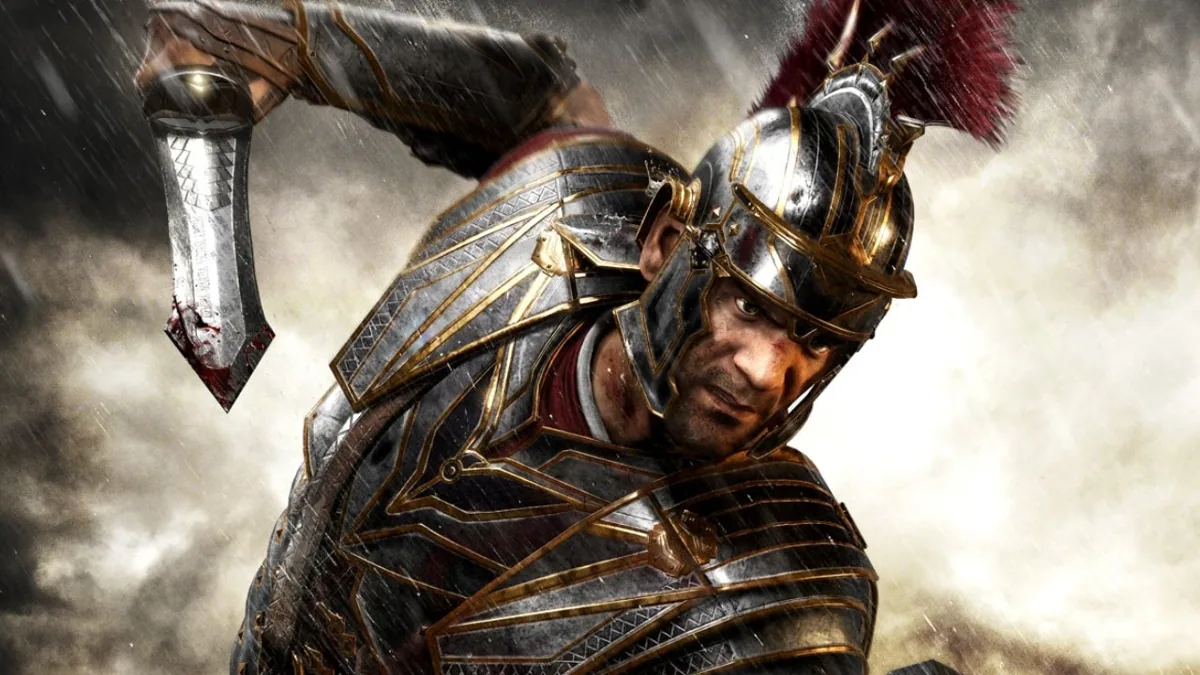
New details about the abandoned sequel to Ryse: Son of Rome have revealed that Crytek considered moving the series away from Ancient Rome and expanding its combat and level design.
According to former developers, early ideas for Ryse 2 included a Viking setting and another concept based in feudal Japan. The sequel may also have used a less linear structure, with larger areas, more freedom to explore and a broader set of gameplay systems.
The project never entered full production and was not formally cancelled. Work instead stopped after the original game received mixed reviews and failed to meet commercial expectations.
A disagreement over ownership also appears to have played an important role. Crytek reportedly did not want to sell the Ryse intellectual property to Microsoft, while Microsoft was unwilling to move forward without greater control over the franchise.
| Planned area | Reported direction |
|---|---|
| Possible setting | Viking era or feudal Japan |
| Level design | Larger and more open-ended areas |
| Combat | More dynamic single-player encounters |
| New mechanics | Vehicle navigation |
| Multiplayer | Competitive PvP considered |
| Project status | Development stopped |
| Main business issue | Disagreement over ownership of the IP |
Ryse 2 may have left Ancient Rome behind
The original Ryse followed Roman soldier Marius Titus through a highly cinematic campaign. Although its setting was central to its identity, Crytek was reportedly willing to take the series into a different historical period.
A Viking game was one of the strongest ideas under consideration. One former project manager said he was enthusiastic about the concept, although not every developer agreed with that direction.
Feudal Japan was also discussed as a possible setting. Either option would have allowed Crytek to keep the series’ close combat focus while introducing new weapons, armour, environments and military cultures.
This suggests Ryse may have developed into a historical action anthology rather than a continuing story about one Roman character. Each game could have explored a different period while keeping the same cinematic presentation and combat foundation.
The exact concept was never finalised, so neither setting should be treated as a confirmed version of the sequel.
Crytek wanted to address the first game’s linear structure
One of the main criticisms of Ryse: Son of Rome was its corridor-based level design.
Most missions moved the player along a narrow route with limited exploration. The visual presentation was impressive, but the structure gave players few opportunities to choose how they approached encounters.
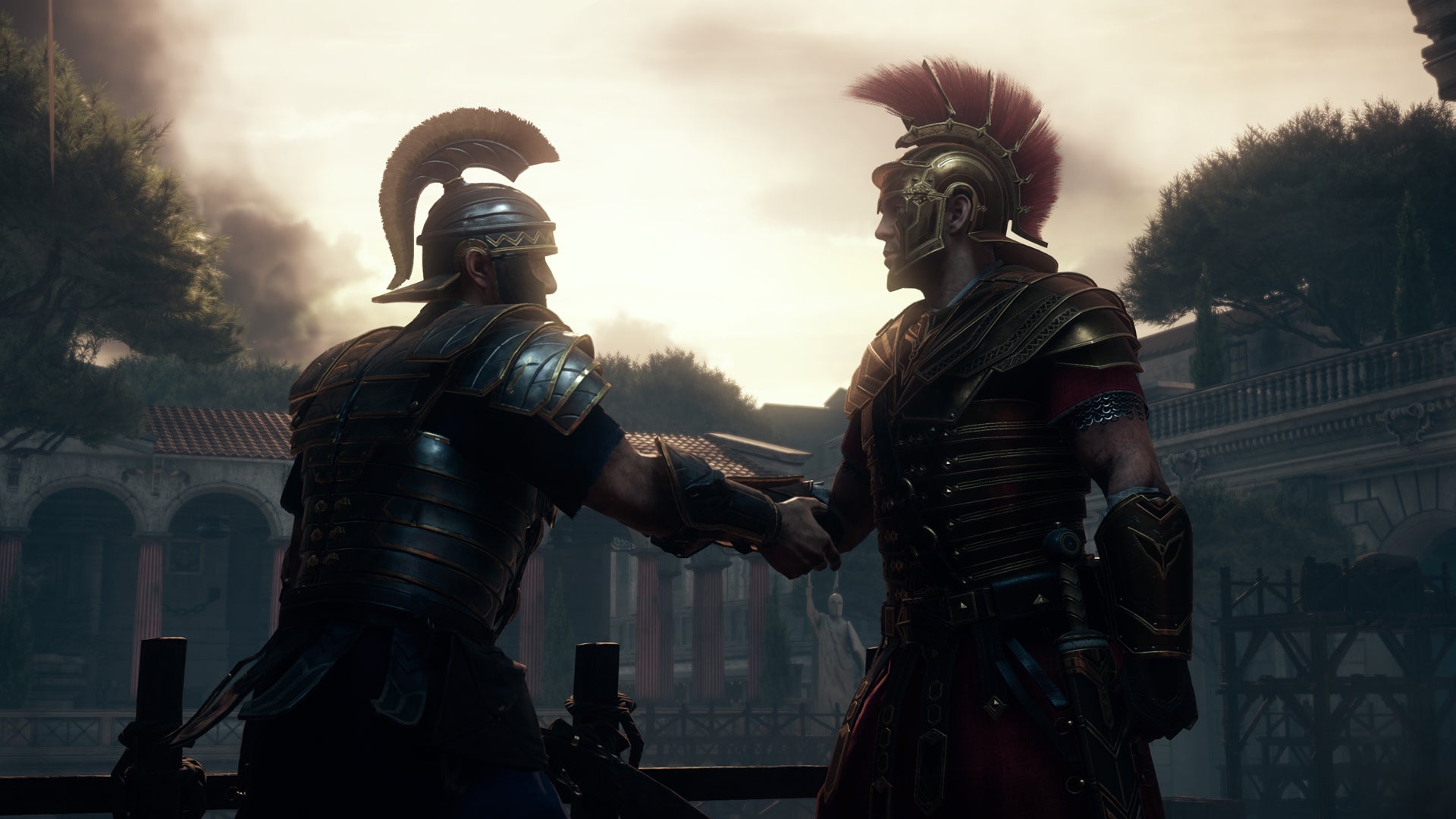
The planned sequel would reportedly have been more open without becoming a full open world game.
Former developers compared the idea to the structure later used by God of War in 2018. That game combined a directed story with larger connected areas, optional paths and more freedom between major encounters.
Ryse 2 may have followed a similar model. Players could have explored wider environments, returned to certain locations and approached combat spaces with more flexibility.
This would have addressed one of the clearest weaknesses of the original while preserving its cinematic focus.
More combat systems and vehicle gameplay were considered
Crytek also discussed mechanics that could not be completed for the first game because of time constraints.
Vehicle navigation was among the ideas being considered. The report does not explain which vehicles would have appeared, but the system could have supported travel, large battles or specific mission sequences.
A Viking setting may have allowed for ships, while a feudal Japan game could have used horses or other forms of movement. These possibilities remain speculative because the mechanic was never shown publicly.
The team also wanted more dynamic single-player combat. Ryse was often criticised for repetitive encounters and limited enemy variety, despite its satisfying visual feedback and brutal executions.
A sequel would have had an opportunity to add more weapon types, enemy behaviours and tactical options. Crytek could also have reduced its reliance on repeated execution prompts while keeping the weight and presentation that made combat memorable.
Competitive PvP multiplayer was another feature under discussion. The original game included solo and cooperative battles in the Colosseum, but it did not offer direct player versus player combat.
Ownership disagreements prevented the project from progressing
The commercial performance of Ryse was only part of the reason a sequel did not happen.
Crytek owned the intellectual property, while Microsoft had publishing involvement with the original Xbox One release. Reports suggest Microsoft wanted greater ownership or control before funding another game.
Crytek reportedly refused to sell the franchise, creating an impasse that neither company resolved.
This explains why Ryse 2 could stop without receiving a formal cancellation announcement. If the companies could not agree on rights and financial terms, the project could not progress beyond early discussions and planning.
The situation also limited the possibility of another Microsoft studio taking over the series. Without ownership of the IP, Xbox could not simply assign a sequel to a different developer.
Crytek has retained control of Ryse, but it has not announced a revival or licensed the property to another publisher.
Ryse became more respected after its difficult launch
Ryse: Son of Rome launched with the Xbox One in November 2013.
It was praised for its visual quality, detailed character models and cinematic presentation. Its graphics have aged well, and the game remains one of the more recognisable technical showcases from the beginning of that console generation.
The reception was less positive in other areas. Its campaign was short, its levels were restrictive and its combat became repetitive. The game received an average score of around 60 on Metacritic.
Former project manager Yannick Boucher recalled working for 30 consecutive days before launch, only to see the game receive mixed reviews. That experience reflected the pressure surrounding the title and the disappointment that followed its release.
Over time, Ryse developed a more positive reputation among Xbox players. Many now view it as an imperfect but enjoyable action game that could have provided a strong foundation for a sequel.
The reported plans for larger levels, stronger combat and a new historical setting show that Crytek understood where the original needed improvement. Ryse 2 never moved forward, but its early ideas suggest the series could have developed into a much broader historical action franchise.



Discussion (0)
Be the first to comment.