



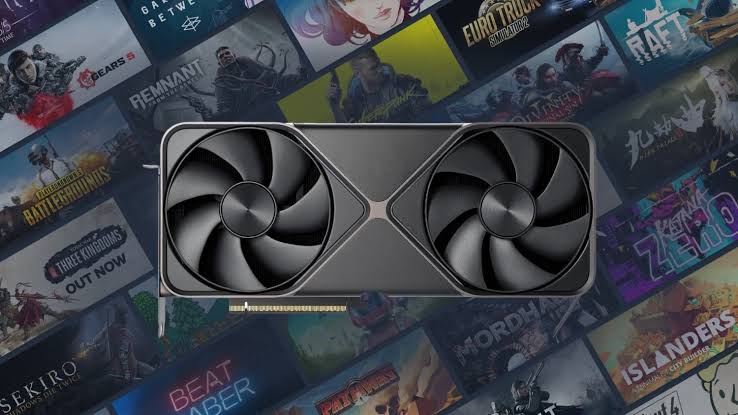
PC gamers are increasingly ready to move beyond graphics cards with 8GB of video memory, according to a recent poll asking how much VRAM Nvidia should include with the future GeForce RTX 6060.
Only 3 percent of respondents selected 8GB as an acceptable capacity for the next generation card. By comparison, 35 percent chose 12GB, while 36 percent said the RTX 6060 should include 16GB. Another 25 percent wanted more than 16GB.
The results show that 71 percent of respondents would prefer either 12GB or 16GB, while almost every participant believes Nvidia should increase the capacity beyond the 8GB included with the RTX 5060.
Nvidia has not announced the RTX 6060 or confirmed specifications for its next GeForce generation. Current expectations are based on industry discussion, memory technology, and reports about possible RTX 50 Super graphics cards.
Most PC gamers no longer see 8GB as sufficient
Video memory holds textures, geometry data, frame buffers, and other information required while a game is running. Modern releases can use large amounts of VRAM when higher texture settings, ray tracing, and resolutions such as 1440p or 4K are enabled.
A graphics card can still run a game when its VRAM capacity is exceeded, but performance may become less consistent. Data must be transferred between system memory and video memory more frequently, which can lead to stuttering, delayed texture loading, or lower frame rates.
The effect varies between games. Some titles remain comfortable within 8GB at sensible settings, while others require reduced textures or ray tracing options. Buyers are increasingly concerned that an 8GB card purchased today may face greater limitations during the next several years.
| Preferred RTX 6060 VRAM | Poll result |
|---|---|
| 8GB | 3 percent |
| 12GB | 35 percent |
| 16GB | 36 percent |
| More than 16GB | 25 percent |
The poll does not represent the entire PC gaming market, but the low support for 8GB reflects a wider discussion around entry and midrange graphics cards. Many buyers want enough memory to use higher quality settings without worrying about immediate capacity limits.
A 12GB RTX 6060 appears technically realistic
Reports about Nvidia’s possible RTX 50 Super refresh suggest that the company could move from 2GB GDDR7 memory modules to newer 3GB modules.
The RTX 5060 reportedly uses four 2GB modules for a total of 8GB. Replacing them with four 3GB modules would increase the capacity to 12GB without requiring a wider memory bus.
This configuration could provide Nvidia with a practical way to increase memory while controlling manufacturing costs and preserving the card’s position within the product range. It also explains why 12GB is widely viewed as the most realistic capacity for a future RTX 5060 Super or RTX 6060.
A 16GB model would offer greater capacity, but it could require a different memory layout or wider bus depending on the architecture. Nvidia would also need to prevent the RTX 6060 from competing too closely with more expensive models.
For those reasons, 12GB may be the most likely upgrade even though 16GB received slightly more support in the poll.
Rival graphics cards have already increased memory capacity
Nvidia would not be the first company to move beyond 8GB in the affordable graphics market.
Intel’s Arc B580 includes 12GB of VRAM, while the Arc B570 provides 10GB. These capacities have helped Intel position its cards as alternatives for players concerned about memory limits.
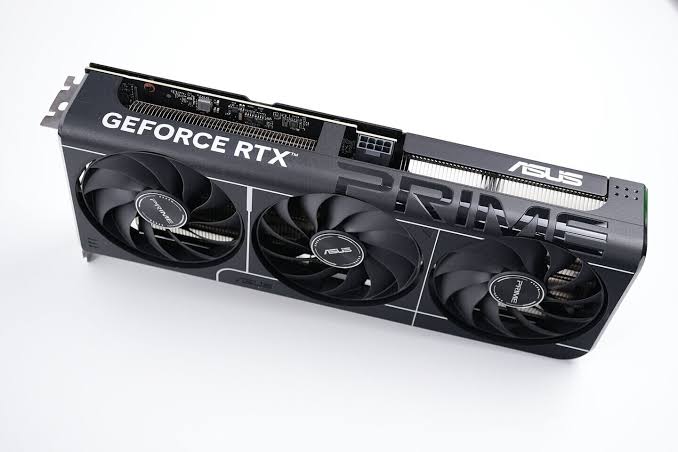
AMD offers the Radeon RX 9060 XT in both 8GB and 16GB versions, with the higher capacity model proving more attractive to buyers who want additional headroom. The standard RX 9060 reportedly remains limited to 8GB and is mainly available through prebuilt computers.
These alternatives increase pressure on Nvidia to provide more memory with its next mainstream generation. An RTX 6060 with only 8GB could be difficult to justify if competing products continue to offer 10GB, 12GB, or 16GB at similar prices.
RTX 50 Super cards could show Nvidia’s next step
There have been no confirmed major desktop GPU launches from Nvidia in 2026. Current rumours suggest that RTX 50 Super models may arrive in early 2027, potentially around CES in January.
If an RTX 5060 Super launches with 12GB, it would provide a strong indication of what to expect from the later RTX 6060. Once Nvidia introduces 3GB memory modules into its mainstream lineup, returning to an 8GB configuration for the next generation would be unlikely.
However, memory capacity alone will not determine the value of the RTX 6060. Performance, memory bandwidth, price, power consumption, and architectural improvements will also matter.
The poll nevertheless delivers a clear message. PC gamers expect Nvidia’s next mainstream graphics card to provide more than 8GB, with 12GB viewed as an acceptable minimum and 16GB preferred by the largest group of respondents.



Discussion (0)
Be the first to comment.