



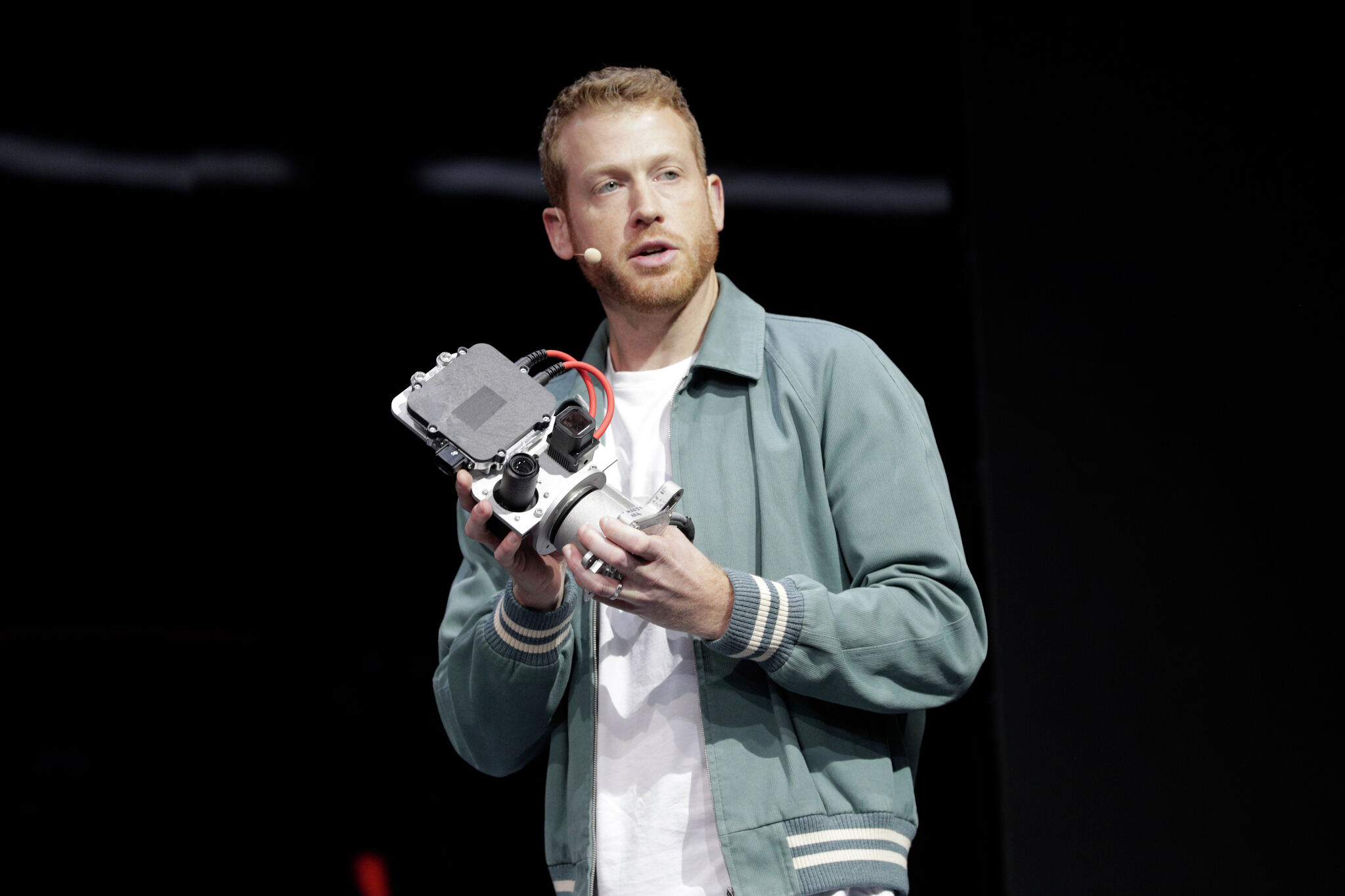
A San Francisco robotics startup is facing claims that it secretly used short term rentals as testing sites for home robots, leaving several properties damaged and upsetting hosts who say they were never told the real purpose of the bookings. One host has now filed a lawsuit seeking $12,383.50 in damages and lost income.
The company at the center of the dispute is The Bot Company, a startup reportedly valued at around $2 billion. It was co founded by Kyle Vogt, the former CEO of Cruise and co founder of Justin.tv, which later became Twitch. The Bot Company has not launched a public product yet, but its stated goal is to build robots that can help around the home.
The allegations began drawing attention after Airbnb host Sean Donovan said he accepted an 11 night booking for eight people in April. At first, the stay appeared normal. But Donovan later found black wires in the trash and saw what looked like a robot inside the property. Security footage reportedly showed large black cases being carried in and out of the home during the stay.
After checkout, Donovan said the home was left in poor condition. Furniture was stained, bathroom tiles were cracked, the dishwasher was damaged, a shoe rack was missing, and dishes had been moved around the house instead of being returned to the kitchen. Donovan later found similar complaints from other hosts, which led him to believe the rentals were being used for robot testing.
| Detail | What happened |
|---|---|
| Company accused | The Bot Company |
| Location | San Francisco short term rentals |
| Main complaint | Homes were allegedly used for robot testing without host consent |
| Lawsuit amount | $12,383.50 |
| Reported damage | Stained furniture, cracked tiles, damaged appliances, missing items, and scattered crockery |
| Company response | No response reported so far |
Donovan said he would have been open to discussing a commercial testing arrangement if the company had been honest. His complaint is focused less on the presence of the robot itself and more on the alleged misrepresentation. The rental was booked as a residential stay, not as a test site for robotics work.
Other hosts have reported similar patterns. One historic late Victorian home was allegedly left with a cracked refrigerator exterior, black marks on the walls, broken glass in the trash, chipped paint, and rearranged dishes. A message left on a whiteboard reportedly said, “Sorry 🙁 Did my best!” Neighbors also described seeing large black cases being moved in and out of the property.
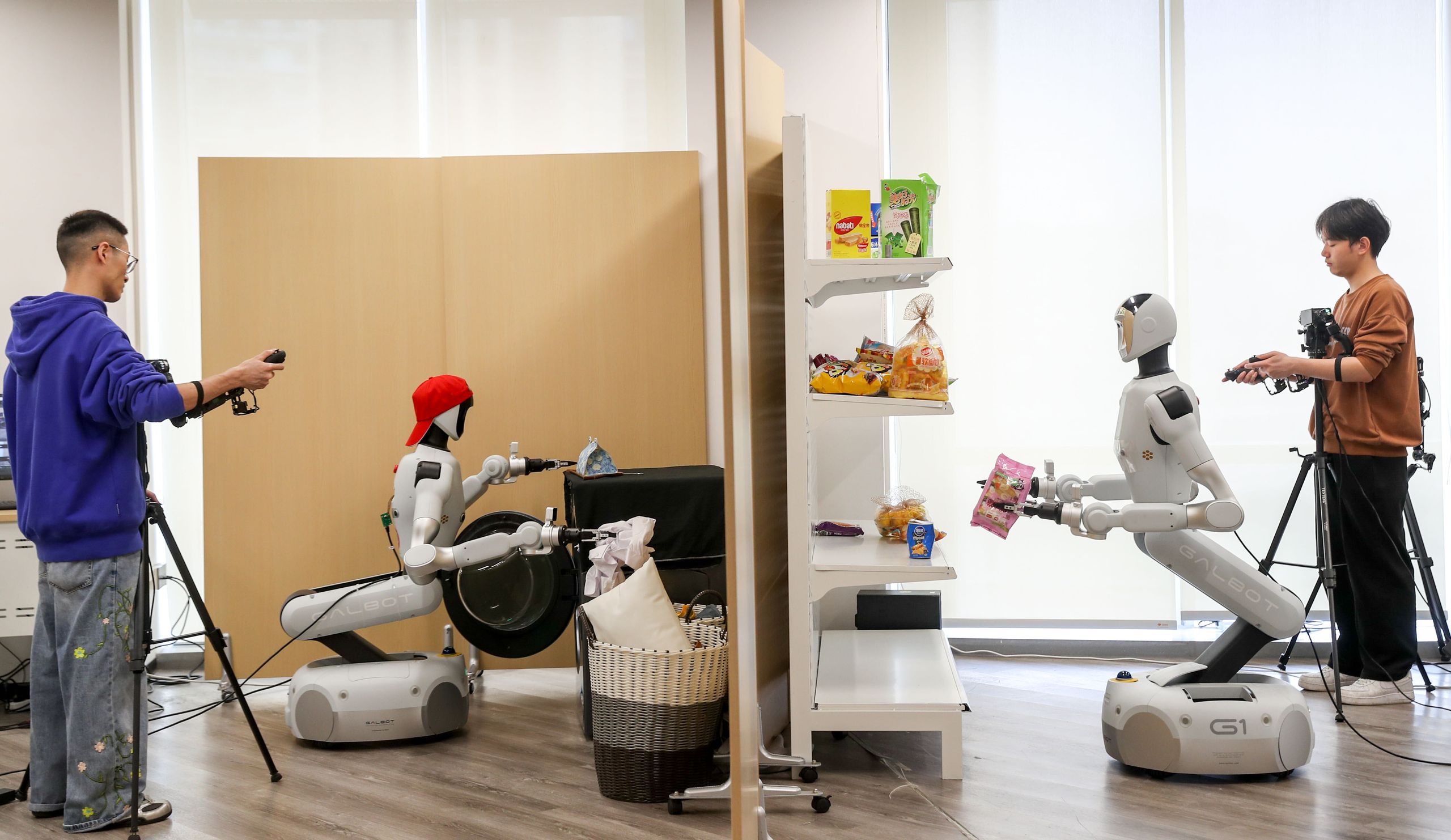
The case raises a larger question about how robotics companies should test machines built for real homes. A short term rental may offer a more realistic environment than a controlled lab, but using private homes without clear permission creates legal and ethical problems. Hosts may have different insurance rules, safety concerns, zoning limits, and cleaning expectations when a property is used for commercial testing.
The Bot Company’s robot has not been publicly released, but startup tracking platform Sacra reportedly describes a prototype that looks like a coffee table on wheels with an arm and two grippers. If the company is testing a home assistant robot, real household environments would be useful. The issue is whether those environments were obtained honestly.
This dispute also shows how fast moving AI and robotics companies can collide with ordinary property owners. Testing a robot in a home is not the same as booking a weekend stay. It can involve equipment, repeated movement, risk of damage, and privacy concerns.
The lawsuit may help clarify whether the alleged bookings crossed legal lines, including possible claims around misrepresentation, improper commercial use, or property damage. For now, the story is a warning for both startups and rental hosts. Real world testing may be necessary for home robots, but it needs clear consent from the people whose homes are being used.



Discussion (0)
Be the first to comment.