



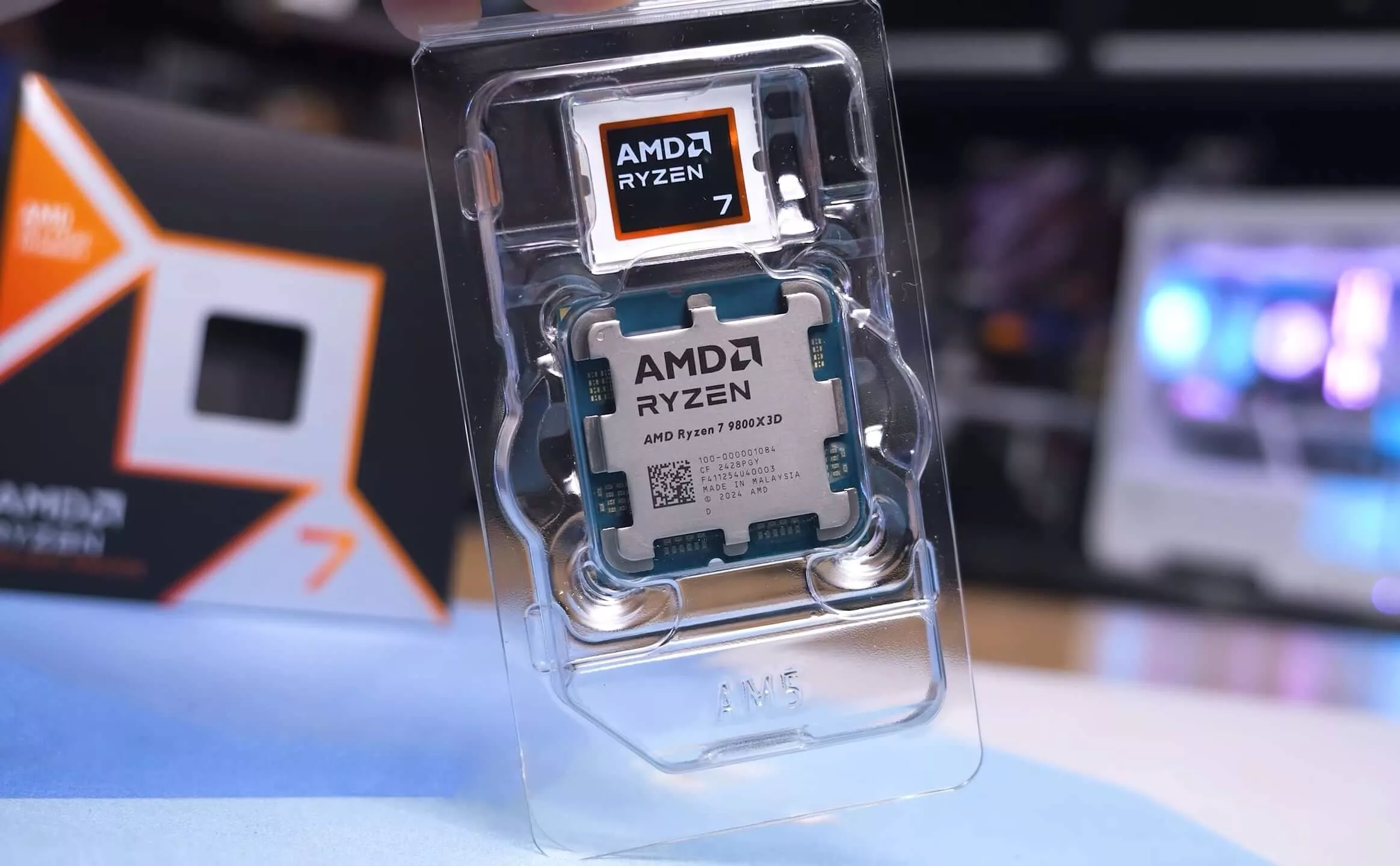
A PC builder appears to have received an unexpected processor upgrade after ordering an AMD Ryzen 7 7800X3D and finding a Ryzen 7 9800X3D inside the package instead.
The customer shared photographs showing a receipt for the Ryzen 7 7800X3D alongside a processor marked as the newer Ryzen 7 9800X3D. The two chips use the same AM5 socket, but the 9800X3D is a newer and generally more expensive model.
The buyer had originally been using a Ryzen 5 7600. While installing a CPU cooler, the motherboard socket pins were reportedly damaged, forcing the customer to replace the motherboard. Since a new board was already required, the buyer decided to upgrade the processor at the same time.
Budget limitations led to the Ryzen 7 7800X3D being selected instead of the more expensive 9800X3D. The unexpected shipment may therefore have provided a meaningful performance upgrade without an additional charge.
The 9800X3D is a newer and faster gaming processor
Both processors are eight core, 16 thread models designed for AMD’s AM5 platform. They also use AMD’s 3D V Cache technology, which provides a large amount of additional cache to improve performance in many games.
The Ryzen 7 7800X3D is based on the Zen 4 architecture, while the Ryzen 7 9800X3D uses the newer Zen 5 design. The architectural improvements help the 9800X3D deliver better gaming and productivity performance in many workloads.
| Specification | Ryzen 7 7800X3D | Ryzen 7 9800X3D |
|---|---|---|
| CPU architecture | Zen 4 | Zen 5 |
| Cores and threads | 8 cores, 16 threads | 8 cores, 16 threads |
| Socket | AM5 | AM5 |
| Gaming technology | 3D V Cache | Redesigned 3D V Cache |
| Overclocking support | Limited | Greater tuning flexibility |
| Relative position | Previous generation gaming model | Newer and faster gaming model |
One important change is the redesigned placement of the additional cache on the 9800X3D. The updated layout improves thermal behaviour and gives the processor more freedom to operate at higher clock speeds.
The 9800X3D also offers greater overclocking flexibility than the 7800X3D. This does not mean every buyer needs to overclock it, but enthusiasts have more control over performance and tuning.
The processor has not yet been fully verified
The customer had not completed the new PC build when the story was shared, so the processor’s identity and condition had not been confirmed through software.
Although the markings suggest that it is a Ryzen 7 9800X3D, there is still a possibility of incorrect labelling, a returned product, or a counterfeit chip. Fake processors occasionally appear with altered heat spreader markings intended to make a cheaper model look more valuable.
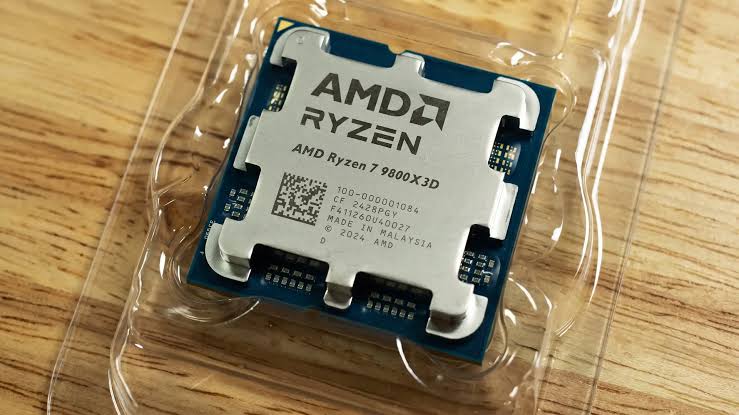
The safest way to verify the processor is to install it in a compatible motherboard and check its identity through the BIOS and a trusted system information utility. Performance tests can also help confirm whether the processor behaves like a genuine 9800X3D.
The buyer should inspect the packaging, serial information, and physical condition before completing the build. Any signs of previous installation, damaged contact pads, or altered markings should be treated carefully.
Warehouse errors can create complicated ownership questions
The most likely explanation is that the two processors were mixed up during warehouse handling or order fulfilment. Retailers that stock many visually similar products can occasionally send the wrong item.
A customer who receives a more expensive product may choose to contact the retailer and report the mistake. Consumer rules differ by country, so the buyer’s legal obligations may depend on local regulations and the retailer’s policies.
Keeping the invoice is important because it proves which processor was originally ordered and paid for. It may also be needed for warranty support.
Even when the received processor is genuine, warranty service could become complicated if the serial number does not match the retailer’s sales record. AMD or the store may ask for proof that the specific unit was purchased through an authorized channel.
The accidental upgrade could save the buyer a noticeable amount
The listed prices placed the Ryzen 7 7800X3D at about $368 and the Ryzen 7 9800X3D at roughly $445, creating a difference of around $77.
Prices change frequently, but the newer chip generally costs more because of its stronger performance and newer architecture. Receiving it at the price of the older model would therefore represent a useful upgrade.
The incident remains unconfirmed until the processor is installed and properly identified. Should it prove genuine and fully functional, the buyer will have received one of AMD’s fastest gaming processors while paying for the previous generation model.



Discussion (0)
Be the first to comment.