



A Turkish researcher has shared details of a new sprayable radar absorbent material that could help drones reduce their radar signature. The material, called Kürşat 3.0, is designed for drones and other small uncrewed aerial vehicles, with early test footage reportedly showing up to 43dB of radar signal attenuation.
The claim is notable because typical radar absorbent materials often fall in the 20dB to 30dB range. However, the result still needs independent third party validation. For now, Kürşat 3.0 should be treated as a promising claim rather than proven military technology.
The coating uses volcanic materials, but geometry still matters for real stealth
The material was developed by Yunus İnce and a small defense research firm after more than seven years of work. According to the report, the coating uses volcanic basalt and pumice structures. These materials may help because their microscopic porous structure could trap electromagnetic signals and reduce the amount of radar energy reflected back to a receiver.
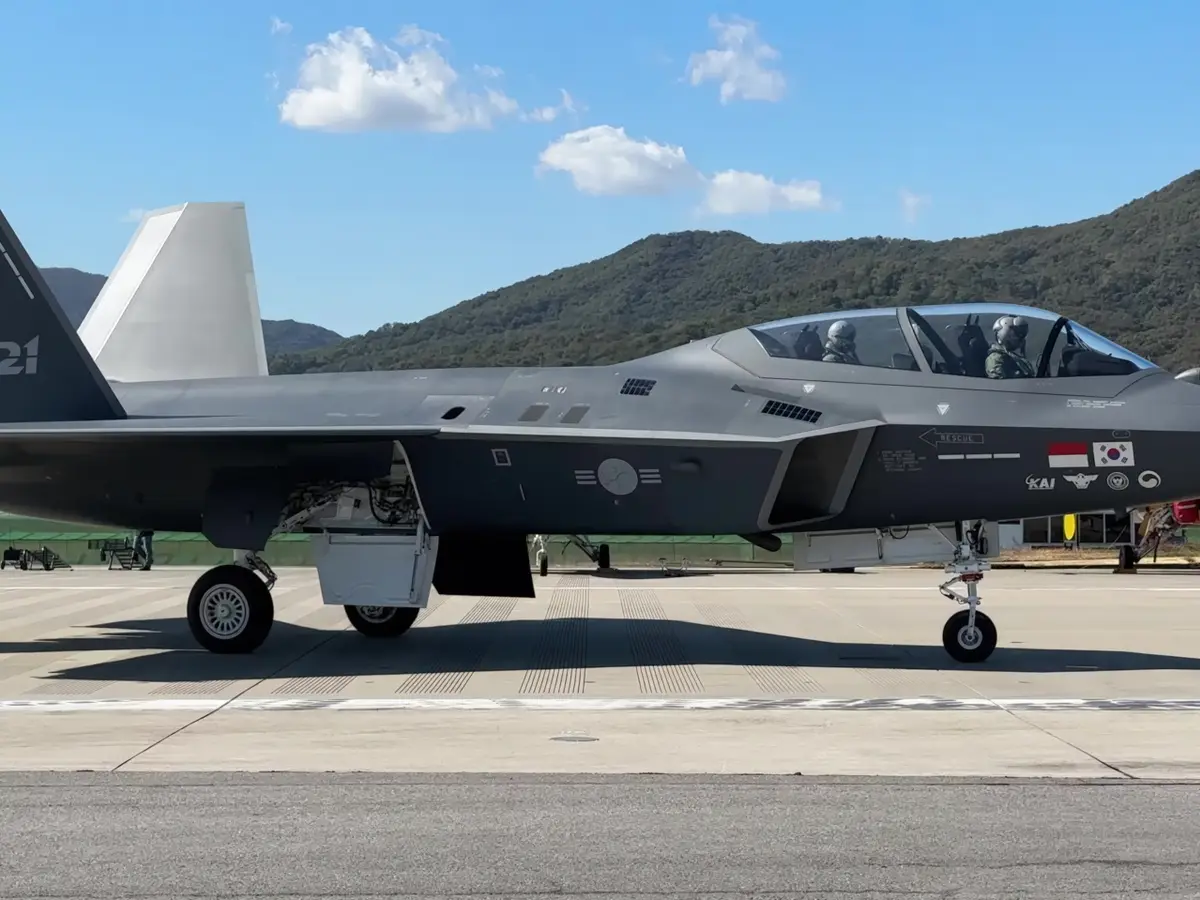
Traditional stealth design works through two main ideas. The first is shape. Aircraft such as the F 117 used angular surfaces to deflect radar waves away from the radar source. Modern stealth aircraft use more advanced curves and shaping to balance aerodynamics with radar deflection. The second part is absorption, where radar absorbent material helps convert some incoming radar energy into heat instead of reflecting it back.
| Stealth factor | How it works |
|---|---|
| Aircraft shape | Deflects radar signals away from the receiver |
| Radar absorbent material | Absorbs some radar energy and reduces reflection |
| Kürşat 3.0 claim | Spray on coating with up to 43dB attenuation |
| Main limitation | Drones still lack stealth focused geometry |
This is why the spray on coating could be useful, but it would not make a normal drone invisible. Many drones are built for cost, speed, and efficiency, not stealth. Quadcopters are especially difficult because their exposed spinning blades can reflect radar signals. A coating can reduce some radar return, but it cannot fully fix a design that was never shaped for low observability.
Still, the idea matters because drones are already small and often hard to track at long range. If a coating can reduce their radar return even further, it could make detection and targeting more difficult. That could be especially important for small battlefield drones, where low cost and survivability matter more than perfect stealth.
Drone warfare has become a major part of modern conflict, especially since Russia’s invasion of Ukraine in 2022. Cheap drones have been used for reconnaissance, strikes, and battlefield disruption. In response, militaries are investing in lasers, microwave weapons, radar systems, interceptor drones, and other counter drone tools.
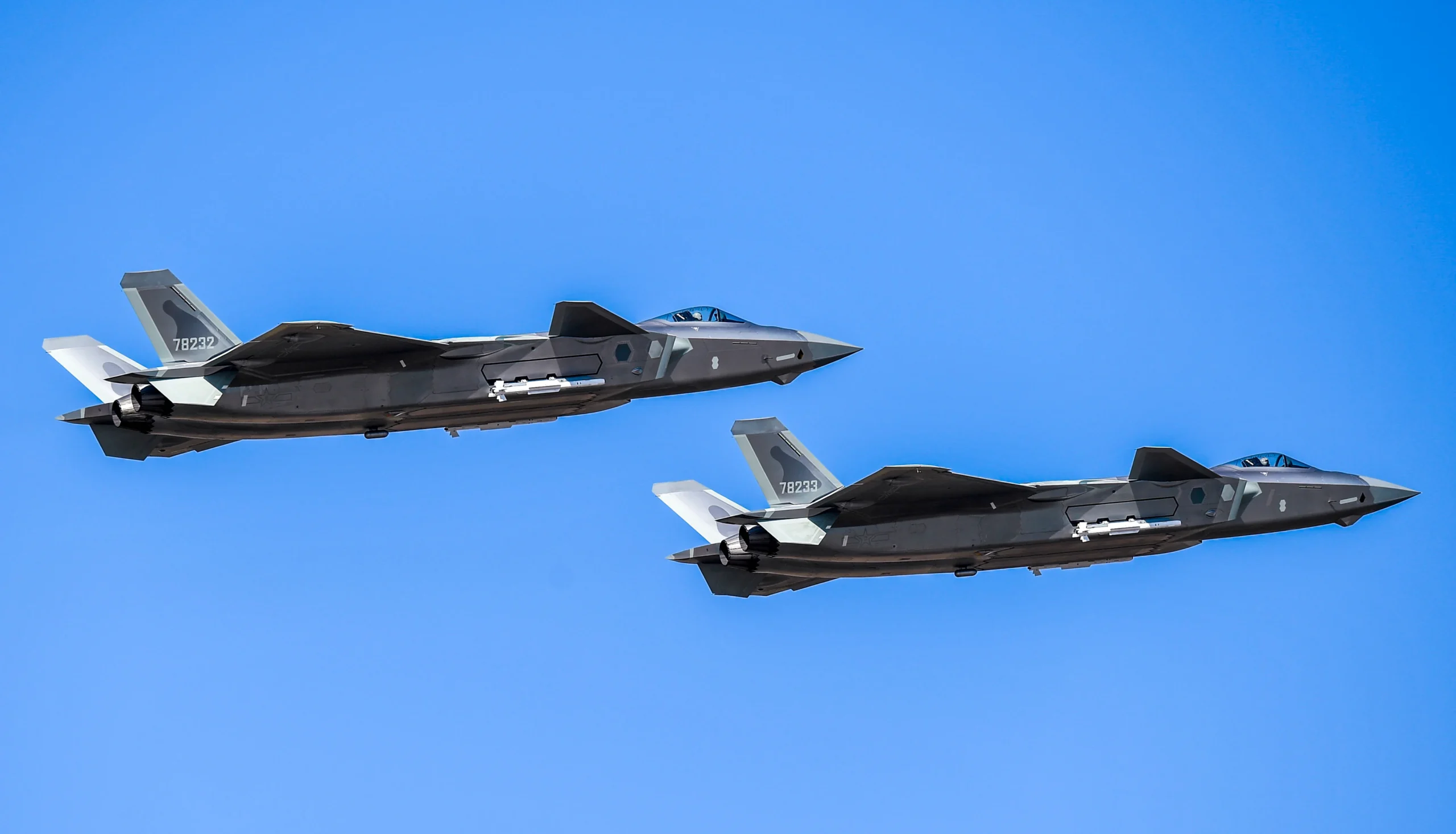
A low cost sprayable stealth coating could change that balance if it works as claimed. Drone makers would not need to redesign every airframe around stealth geometry. They could apply the coating to existing platforms and possibly improve survivability without a major cost increase.
The biggest unanswered questions are practical. The coating’s weight, durability, weather resistance, heat tolerance, and effect on flight efficiency all matter. A coating that reduces radar return but adds too much weight or wears off quickly may not be useful in the field.
For now, Kürşat 3.0 is an interesting development in drone stealth, not a confirmed breakthrough. If independent testing supports the 43dB claim, it could become a valuable tool for small UAVs. But until that happens, the safest reading is that spray on stealth may help drones become harder to detect, while proper stealth still depends on the full design of the aircraft.



Discussion (0)
Be the first to comment.