




Qualcomm says it is not worried about Nvidia entering the Windows on Arm PC market with RTX Spark. Instead, the company is publicly welcoming the competition, with Qualcomm senior vice president of computing Kedar Kondap saying Nvidia’s arrival is a positive sign that the non x86 PC ecosystem is growing.
The comment matters because RTX Spark is not a small experiment. Nvidia is positioning the chip as a powerful Arm based platform for laptops and PCs, with Blackwell graphics, local AI performance, and enough gaming power to challenge the idea that Windows on Arm machines are only for light productivity. That puts Nvidia directly into a space Qualcomm has been building for years with its Snapdragon X series.
Kondap’s response was measured. He said Qualcomm is excited and described Nvidia’s entrance as an endorsement of the work Qualcomm has done to grow Windows on Arm. He pointed to years of effort around app compatibility, printers, docks, peripherals, and game support. Qualcomm says more than 2,500 games are now compatible with Snapdragon powered PCs.
That is Qualcomm’s strongest argument. The company has already spent years helping build the foundation that Windows on Arm needed. Nvidia now enters a market where compatibility is better than it used to be, and Qualcomm can claim that it helped make that possible.
| Company | Current strength | Main challenge |
|---|---|---|
| Qualcomm | Strong CPU performance and long Windows on Arm work | Needs better gaming and GPU performance |
| Nvidia | Strong graphics, AI, CUDA, and gaming ecosystem | Needs to prove CPU performance, battery life, and Windows app behavior |
| Microsoft | Gains stronger Arm hardware options | Must keep improving compatibility and developer support |
The competition will not be simple. Qualcomm’s Snapdragon X2 Elite and X2 Elite Extreme are expected to remain strong in CPU focused workloads. The report notes that Qualcomm may hold a clear advantage in compute tasks, especially if Nvidia’s RTX Spark CPU performance trails behind newer rivals.
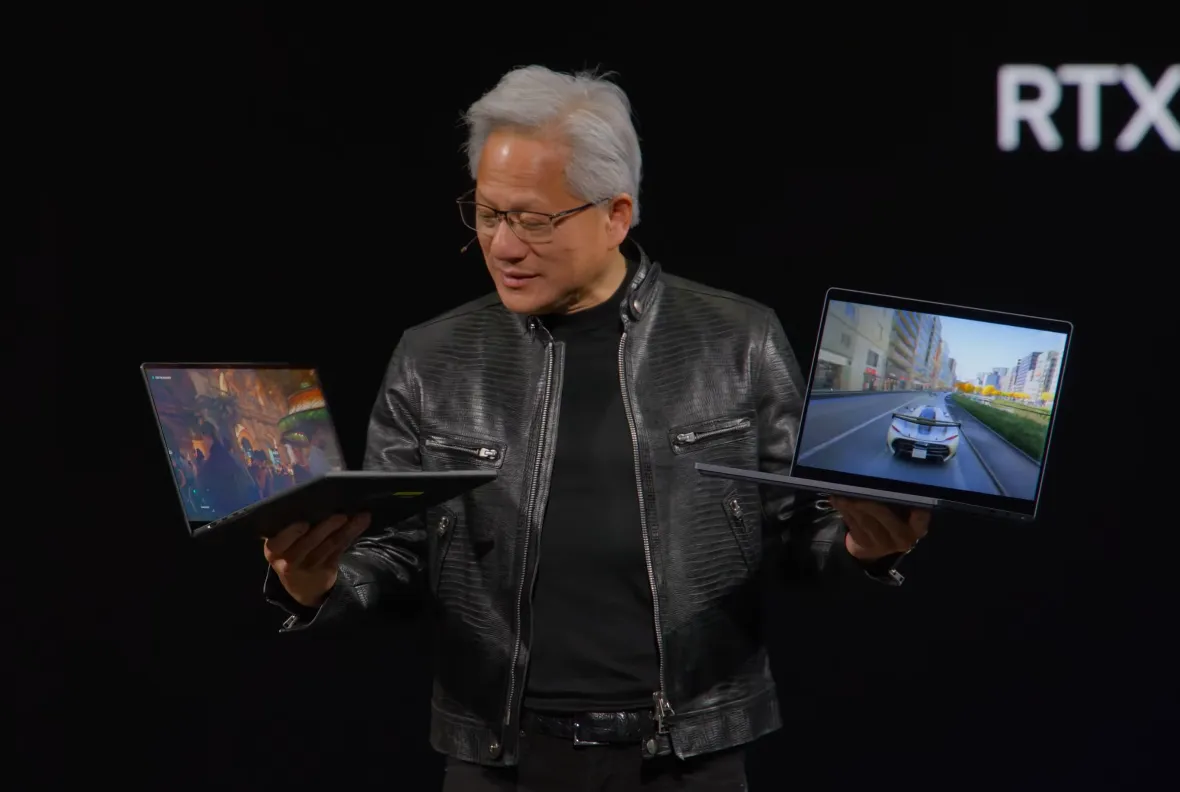
But Nvidia has a different advantage: graphics. RTX Spark is being marketed around 1440p gaming, high frame rates, Blackwell GPU power, and Nvidia’s software stack. Jensen Huang has already shown RTX Spark laptops running games such as 007 First Light and Forza Horizon 6 on battery power. Nvidia has also teased Alan Wake 2 running on the platform.
That could be a problem for Qualcomm. A Windows on Arm laptop that is excellent for productivity but weak in gaming will always have a limited audience. Many buyers want one device that can handle work, creative apps, AI features, and games. If Nvidia can deliver strong gaming performance while keeping productivity good enough, some buyers may accept slightly weaker CPU results.
This is where RTX Spark could change the conversation. Earlier Windows on Arm systems were mostly judged on battery life, quiet operation, and whether normal apps worked. Nvidia is pushing the category toward gaming, creators, and local AI workloads. That gives Windows on Arm a more exciting identity than simply being a lighter alternative to Intel and AMD laptops.
Qualcomm still has important advantages. Its chips are designed for mobile efficiency, and the company has deep experience with low power Arm platforms. Snapdragon laptops may continue to offer better battery life, thinner designs, and stronger general purpose CPU performance. Those things matter to everyday buyers and business customers.
Nvidia’s challenge is different. It must prove that RTX Spark laptops can stay practical. High GPU performance often means more heat, more power use, more fan noise, and higher pricing. If RTX Spark laptops are too expensive or behave more like gaming laptops than efficient Arm PCs, Qualcomm can still hold a strong position in mainstream Windows on Arm devices.
The bigger winner may be Microsoft. For years, Windows on Arm needed more hardware competition. Qualcomm carried much of the early effort, but one chip supplier could not push the whole ecosystem alone. Nvidia entering the space gives PC makers another reason to build Arm based Windows laptops, optimize apps, and market the platform more aggressively.
This competition also puts pressure on Apple, Intel, and AMD. Apple has led the Arm laptop conversation with its M series chips, while Intel and AMD still dominate much of the traditional Windows market. If Qualcomm and Nvidia both keep improving, Windows buyers may finally get a stronger mix of Arm laptop options.
For now, Qualcomm’s welcome message is smart public positioning. It shows confidence, but the company also knows RTX Spark could become a serious rival. Nvidia has a strong roadmap, a powerful software ecosystem, and a clear gaming advantage. Qualcomm has the Windows on Arm foundation and CPU efficiency. The next step will be real laptops, real prices, and real testing.
The arrival of RTX Spark does not weaken Qualcomm’s role in Windows on Arm. It proves the market Qualcomm helped build is finally important enough for Nvidia to enter. That may be the clearest sign yet that Windows PCs are moving beyond the old x86 only era.



Discussion (0)
Be the first to comment.