



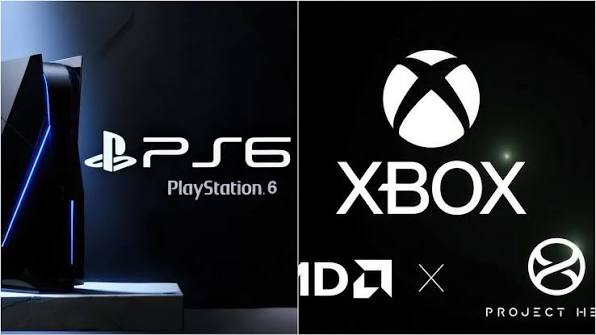
An early market forecast suggests that PlayStation 6 could sell more than twice as many units as Xbox Project Helix by the end of 2030.
The prediction comes from S&P Global Market Intelligence Kagan, which estimates that Microsoft’s next Xbox console could sell around 2 million units during its launch year and reach 7.3 million by 2030.
The same forecast expects PlayStation 6 to launch in 2028, sell about 4 million units during its first year and grow to 17.2 million units by 2030.
These figures should be treated cautiously because neither console has been fully revealed. Pricing, specifications, launch games, physical media support, distribution and the wider component market could all change before release. The firm itself acknowledges that the final outcome could look very different.
| Console | Forecast launch year | Launch year sales | Forecast sales by 2030 |
|---|---|---|---|
| Xbox Project Helix | Not firmly stated | 2 million | 7.3 million |
| PlayStation 6 | 2028 | 4 million | 17.2 million |
Project Helix may target a smaller enthusiast audience
The report expects Project Helix to appeal to a narrower and more enthusiast focused market than previous Xbox consoles.
One reason is its expected ability to support both console and PC games. That could make Helix more flexible, but it may also increase the cost of the hardware and move it away from the traditional mass market console model.
The forecast attempts to position Helix somewhere between a normal Xbox successor and a broader Xbox certified PC platform. That makes predicting sales especially difficult because Microsoft has not yet revealed exactly how the device will work.
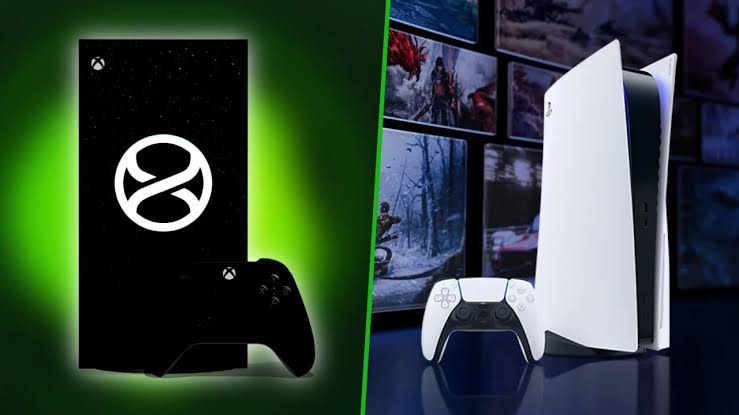
A fully open PC system carrying Xbox branding may not fit the usual definition of a console. If Microsoft chooses that approach, conventional hardware sales comparisons with PlayStation could become less useful.
Helix may also be designed as only one part of a wider Xbox ecosystem that includes Windows PCs, handheld devices, cloud streaming and third party hardware.
That means Microsoft may not need it to match PlayStation hardware sales if the company earns revenue from software, subscriptions and store purchases across several device types.
PS6 is expected to benefit from stronger console market momentum
The PlayStation 6 forecast assumes Sony will continue benefiting from its larger console audience and established global market position.
PlayStation has outsold Xbox hardware during the current and previous generations, giving Sony a larger base of customers who may already own digital games, subscriptions and accessories connected to its platform.
That existing investment can influence future buying decisions. Players with large digital libraries may prefer to remain in the same ecosystem rather than start again elsewhere.
However, the forecast still assumes a challenging launch environment. A higher price and continued cross generation support could reduce the urgency to upgrade from PlayStation 5.
Sony’s physical media strategy, launch software and backward compatibility plans could also affect demand. None of those details are final enough to support a confident long term prediction.
High component prices could push both consoles above traditional pricing
The analysis assumes that the current component crisis will ease enough by 2028 for Microsoft and Sony to release new hardware.
Even under that assumption, the estimated price range is between $600 and $800. That would place both systems above the launch prices of most earlier mainstream consoles.
Higher memory, storage and processor costs are already affecting the current market. Manufacturers may have to choose between expensive hardware, reduced specifications or lower profit margins.
A price near the upper end of the forecast could limit early adoption, especially if current consoles continue receiving major games.
Players may also compare Helix and PS6 with handheld PCs, gaming laptops and desktop systems. That competition becomes more important when console prices move closer to premium computer hardware.
The forecast could change significantly if component costs remain high beyond 2028 or fall faster than expected.
Current generation console sales are expected to decline in 2026
The same report forecasts a 19.5 percent fall in overall console sales during 2026.
Higher hardware prices caused by component shortages are identified as the main reason for the decline.
Xbox Series X and Series S are expected to sell about 2.5 million units during 2026, followed by a rapid reduction as Microsoft prepares for its next hardware strategy.
PlayStation 5 sales are forecast to fall to around 13.2 million units during the year, although that would still leave Sony significantly ahead of Xbox in traditional console sales.
These figures are also projections rather than confirmed results. Supply conditions, promotions, regional availability and major software releases could alter the final totals.
Pricing and platform design will matter more than early forecasts
The current forecast provides a snapshot of expectations in July 2026 rather than a reliable prediction of the final market.
Project Helix could perform better if Microsoft delivers a competitive price, strong backward compatibility, physical media support and meaningful access to PC software.
It could perform worse if the device costs far more than a normal console or lacks a clear reason for existing Xbox and PC owners to upgrade.
PlayStation 6 has the advantage of a larger established audience, but Sony could still face resistance if the price is too high or if most new games continue running well on PlayStation 5.
Launch games will also matter. New hardware is harder to justify when its early library consists mainly of cross generation releases with modest visual improvements.
The estimated 17.2 million PS6 units and 7.3 million Helix units by 2030 are plausible outcomes based on current trends, but they are not firm expectations. Both companies still have several major decisions to make before the next console generation begins.



Discussion (0)
Be the first to comment.