



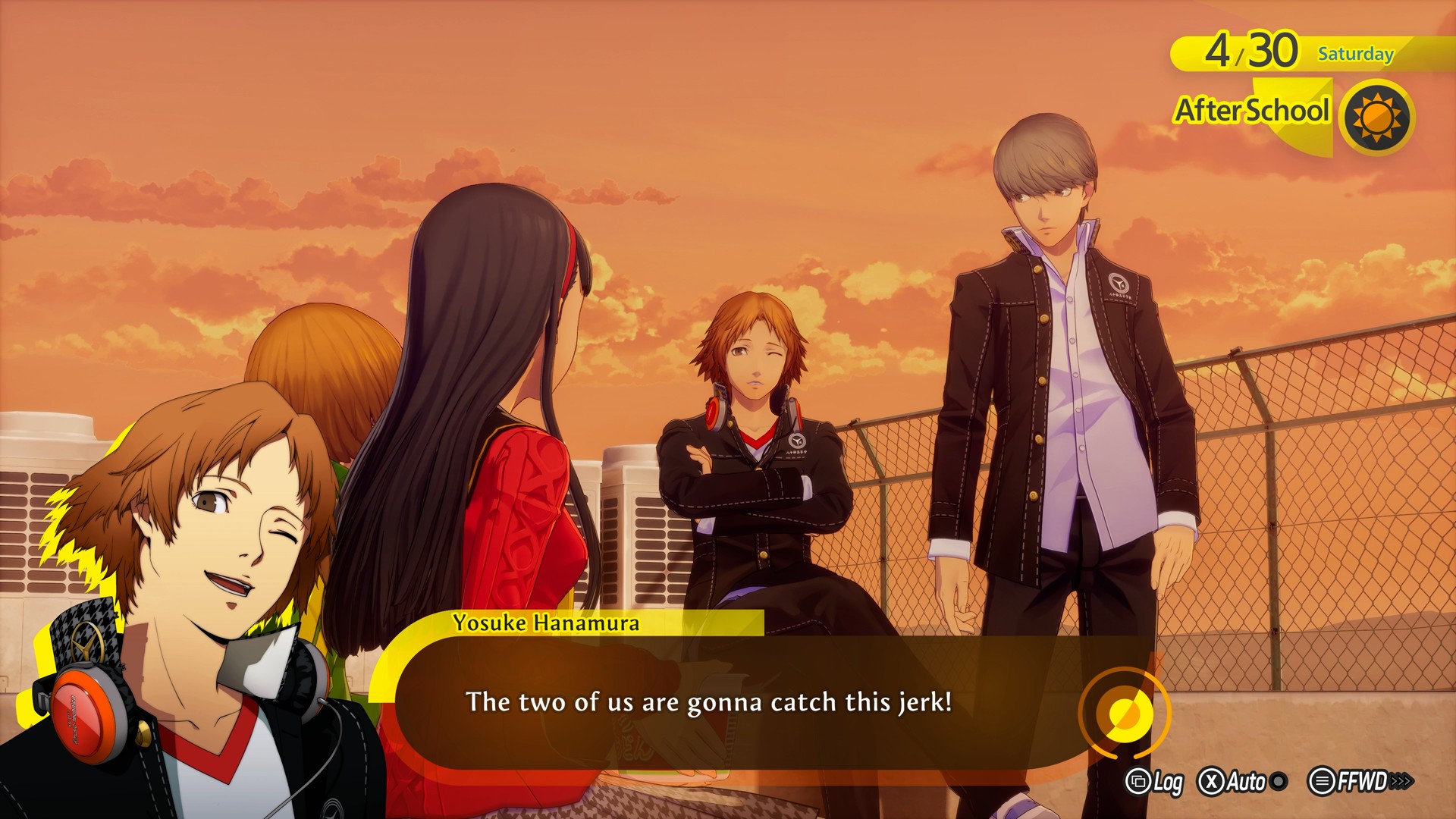
Persona 4 Revival has received a new gameplay deep dive, giving players a closer look at its updated combat, story setup, and modernized systems ahead of its February 18, 2027 launch. The remake keeps the core structure of the original Persona 4, but adds new battle mechanics inspired by newer Persona games, including Baton Pass, Prime Time, and a new Send Flying system.
The game follows a teenage student who moves to the rural town of Inaba, only for a series of strange murders to begin soon after. The mystery leads him and his classmates to the Midnight Channel, a strange broadcast connected to an alternate world filled with dangerous creatures called Shadows.
Like the original, Persona 4 Revival is split between daily school life and dungeon crawling. During the day, you attend classes, spend time with friends, build Social Links, and strengthen your Personas. In the TV World, you fight Shadows in turn based battles and investigate the truth behind the murders.
Persona 4 Revival keeps the original story structure
Persona 4 Revival appears to follow the original game’s plot closely while also including elements from Persona 4 Golden. That means Marie, one of Golden’s major additions, will return in the remake.
The core premise remains one of the strongest in the Persona series. Inaba is a quiet town hiding a dark mystery, and the game builds tension by mixing ordinary teenage life with supernatural danger.
| Feature | Persona 4 Revival update |
|---|---|
| Release date | February 18, 2027 |
| Platforms | Xbox Series X |
| Game Pass | Day one |
| Story | Based on Persona 4 with Golden elements |
| Main new combat feature | Prime Time |
| Returning modern feature | Baton Pass |
| New mechanic | Send Flying |
This balance is important because Persona 4’s charm comes from its characters and setting as much as its combat. The remake seems focused on preserving that identity while making battles more active and stylish.
Baton Pass and dungeon blocking return
One of the biggest combat updates is Baton Pass, a mechanic that became popular in Persona 5. After hitting an enemy’s weakness, players can pass the turn to another party member, creating longer chains and more flexible strategies.

Persona 4 Revival also lets players block enemies while exploring dungeons to stop them from gaining the first move. This should make dungeon exploration feel more responsive and less punishing when Shadows appear.
These changes bring Persona 4 closer to modern Persona design without fully changing its turn based structure. The remake still looks familiar, but the combat should feel faster and more tactical than the original.
Send Flying adds a new status effect strategy
Persona 4 Revival also introduces a new Send Flying mechanic. When enemies are affected by status ailments, players can knock them into other enemies to spread those effects.
That could make status moves much more useful than before. In many turn based RPGs, players often ignore status effects in favor of direct damage. Send Flying gives players another reason to experiment with ailments and party setups.
It also fits Persona’s modern combat style, where battles reward planning, turn order control, and smart use of weaknesses.
Prime Time is the biggest new battle feature
The most important new mechanic shown in the deep dive is Prime Time. As players deal damage, a Prime Time Meter fills on the right side of the screen. Once full, the party can activate Prime Time and gain several free turns.
During Prime Time, skills cost zero SP, allowing players to attack aggressively without draining resources. The sequence ends with a cinematic Prime Time Finish, a powerful finisher that appears similar in spirit to Persona 5 Royal’s Showtime attacks and Persona 3 Reload’s Theurgy moves.
This could make combat more exciting, but it may also affect difficulty. Free turns and zero SP skills can give players a huge advantage, so Atlus will need to balance the system carefully.
The remake may be easier than the original
The new mechanics look fun, but they may also make Persona 4 Revival easier than the original game. Baton Pass, Prime Time, dungeon blocking, and Send Flying all give players more control in battle.
That is not necessarily a problem. Persona games have always focused heavily on story, character bonds, and style, not only difficulty. Players who want a harsher challenge often turn to Shin Megami Tensei instead.
Still, longtime fans will want to see whether higher difficulties keep battles engaging. The new systems should make combat deeper, but they should not remove too much tension from boss fights and dungeon exploration.
Persona 4 Revival is shaping up as a major 2027 RPG
Persona 4 Revival already had strong momentum after its Xbox Games Showcase reveal, and this new gameplay deep dive adds more reason for fans to pay attention. The remake is not only giving the game modern graphics. It is reworking combat with systems that make battles look faster, more stylish, and more flexible.
The most promising part is that Atlus seems to understand what made Persona 4 work. The small town mystery, school life, Social Links, TV World dungeons, and character driven story are all still central.
With a February 18, 2027 release date and day one Game Pass launch, Persona 4 Revival could become one of the first major RPGs of a crowded year. For returning fans, it looks like a cleaner and more energetic version of a classic. For new players, it may be the easiest way to experience one of Persona’s most beloved stories.



Discussion (0)
Be the first to comment.