



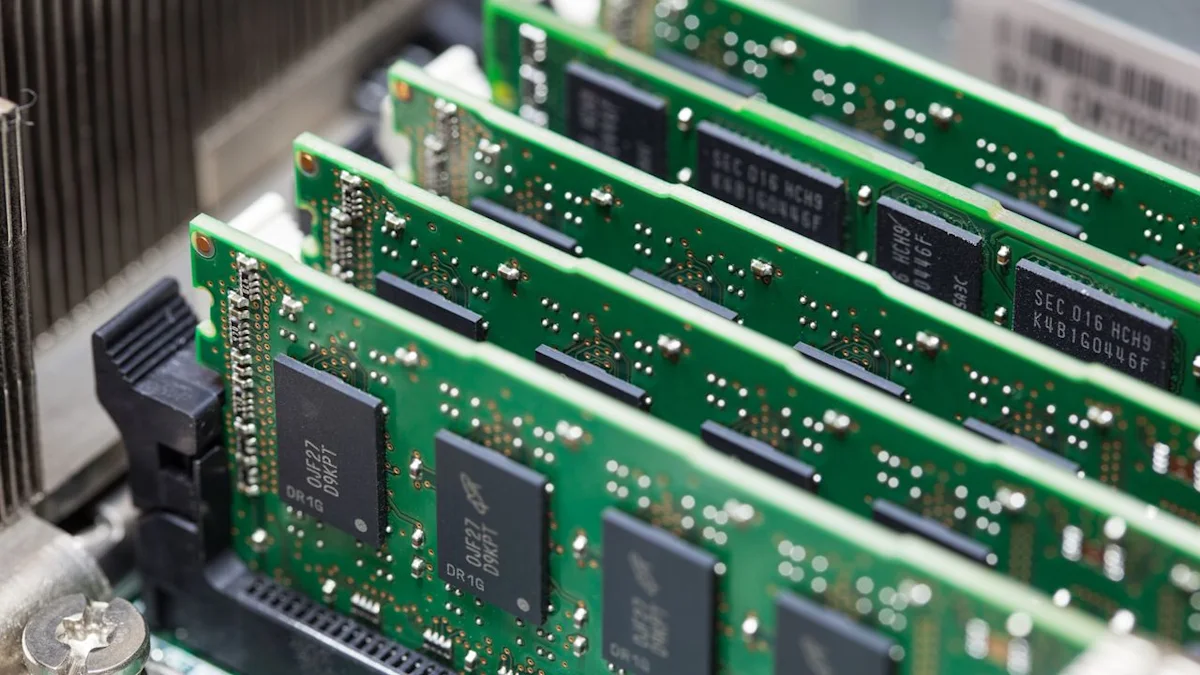
Major PC manufacturers are reportedly placing long term orders with Chinese memory producer CXMT as the global DRAM market continues to face tight supply and high prices.
Demand has become strong enough that CXMT’s available production capacity may already be committed through the end of 2027. Large manufacturers are expected to receive priority, while smaller PC brands could struggle to secure enough memory for future laptops, desktops, and other devices.
Dell, HP, Lenovo, and Apple are among the companies reportedly seeking access to CXMT’s production. Most major PC manufacturers are also said to have completed technical testing of the company’s memory, reducing one of the barriers to using it in commercial products.
The increased interest comes as manufacturers search for alternatives to established DRAM suppliers. Memory demand from servers, artificial intelligence infrastructure, PCs, smartphones, and other electronics has placed pressure on production, contributing to higher prices and uncertainty around future availability.
Large PC manufacturers could receive priority allocations
CXMT is reportedly prioritizing its largest customers as orders increase. This could give global PC brands a better chance of securing enough memory for planned product launches, while companies with smaller orders may be pushed further down the queue.
| Reported development | Possible effect |
|---|---|
| Production booked through 2027 | New customers may face long waiting periods |
| Large brands receive priority | Major PC makers gain more predictable supply |
| Smaller vendors struggle for allocation | Some companies may face delays or higher costs |
| PC makers complete memory testing | CXMT components can enter products more quickly |
| Long term contracts increase | Available production becomes harder to obtain |
| Domestic demand remains important | Much of the initial supply may stay within China |
Manufacturers normally test memory modules before approving them for use. This process checks stability, performance, compatibility, power consumption, and reliability across different platforms.
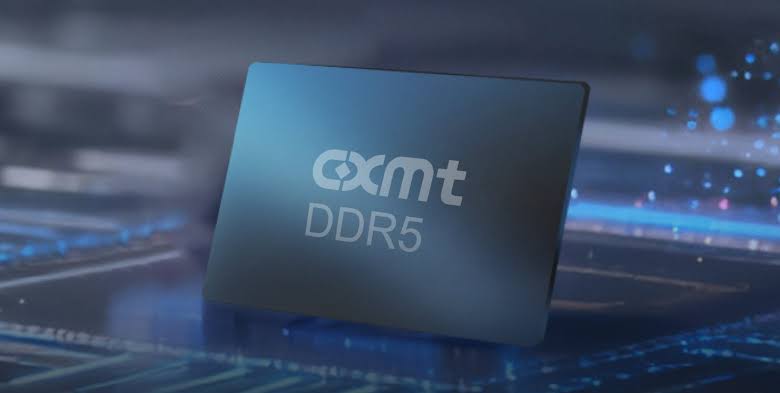
Recent motherboard updates have also expanded support for DDR5 modules built with CXMT chips. Better platform compatibility could make it easier for memory companies and PC manufacturers to adopt the components without extensive redesign work.
However, completing validation does not guarantee access to supply. If CXMT’s factories are operating close to capacity, approved manufacturers may still need to wait for production slots.
Reduced regulatory uncertainty may have encouraged larger orders
Another factor may be changing expectations around trade restrictions.
CXMT was reportedly considered for inclusion on a United States trade restriction list, but that action has not moved forward amid improving relations between the United States and China. The reduced uncertainty may have encouraged manufacturers to place longer term orders.
Companies are generally cautious about committing to a supplier when future regulations could limit access to technology, equipment, or international customers. Delaying possible restrictions gives PC manufacturers more confidence that existing contracts can be completed.
The situation could still change. Government policy, export controls, or new trade disputes may affect CXMT and its customers before the reported orders are fulfilled.
Apple is also believed to have tested CXMT memory. The company may be considering its use in products sold within China rather than devices intended for the United States.
Using locally produced memory in Chinese market products could help Apple lower supply risks and meet regional manufacturing requirements. There is no confirmation that CXMT memory will appear in future Apple hardware, however.
CXMT could help reduce pressure on the memory market
Additional production from CXMT may give PC manufacturers another source of DDR5 memory during a difficult period.
More supply would normally help stabilize prices, but the immediate effect may be limited if most of CXMT’s capacity has already been reserved. The company may need to expand production before smaller manufacturers and retail customers see a meaningful improvement.
The reported orders are also expected to focus heavily on demand within China. This means any benefit to PC prices in other regions may take longer to appear.
Memory availability affects more than the cost of standalone RAM kits. DRAM prices influence laptops, desktop computers, graphics cards, smartphones, and servers. Manufacturers facing higher component costs may raise retail prices, reduce memory capacity, or delay products.
CXMT’s growing role could weaken the market’s dependence on a small group of large memory suppliers. Greater competition may eventually improve availability and pricing, but capacity, product quality, and international regulations will determine how much influence the company can gain.
For now, the reported rush to reserve CXMT production shows how seriously PC manufacturers are treating the ongoing memory shortage. If capacity is already committed through 2027, smaller brands may face the greatest difficulty securing affordable DRAM for future products.



Discussion (0)
Be the first to comment.