



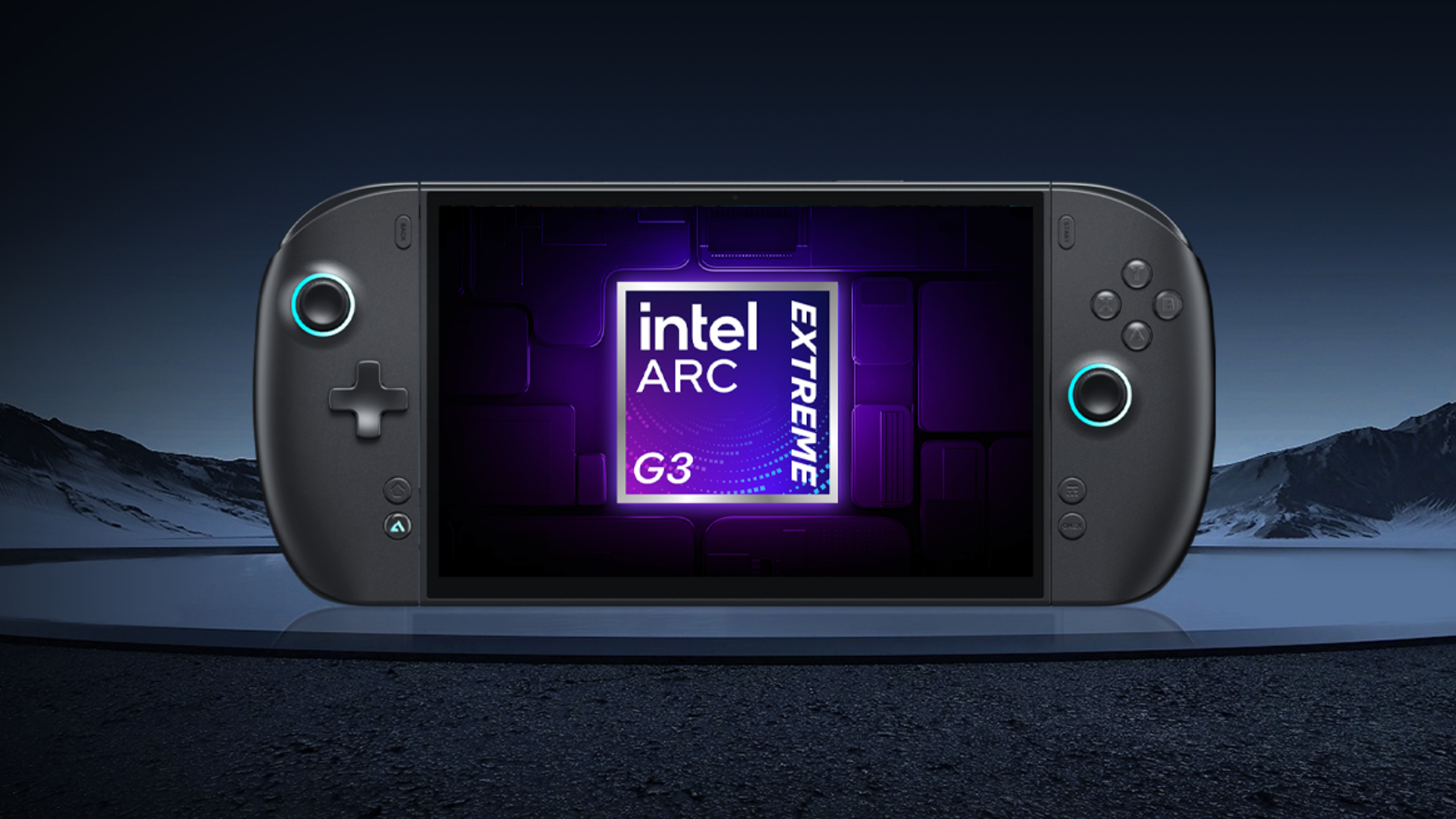
OneXPlayer has unveiled the OneXPlayer 3, one of the first handheld gaming PCs built around Intel’s new Arc G3 Extreme chip. The device is positioned as a high end portable gaming machine, pairing Intel’s new handheld focused processor with an 8.8 inch OLED display, a 144Hz refresh rate, VRR, HDR support, and a large 85Wh battery.
The announcement comes shortly after Intel introduced its Arc G3 lineup, which is aimed directly at gaming handhelds. That matters because AMD has dominated this category for years through the Steam Deck, ROG Ally, Lenovo Legion Go, and other devices built around Ryzen and Radeon integrated graphics. Intel now appears ready to challenge that space with hardware designed specifically for portable gaming rather than standard laptop use.
OneXPlayer 3 is not only a handheld, since it can also work like a small laptop or display
The OneXPlayer 3’s biggest hook is its 3 in 1 design. It can be used as a normal gaming handheld, a small laptop style device, or a standalone display. That makes it more flexible than a traditional handheld, especially for players who also want light productivity use, media viewing, or a portable screen setup.
The device also uses detachable controllers. The control system includes a capacitive touchpad for more precise pointer control and two stage triggers that can switch between micro and linear modes. That could make the device more comfortable across different game types, from shooters and racing games to desktop style PC navigation.
| Feature | OneXPlayer 3 details |
|---|---|
| Processor | Intel Arc G3 Extreme |
| CPU and GPU claim | Up to 14 CPU cores and 12 Xe3 GPU cores |
| Display | 8.8 inch OLED |
| Refresh rate | 144Hz |
| Display features | VRR and HDR |
| Battery | 85Wh, swappable |
| Design | 3 in 1 handheld, mini laptop, and display |
| Launch platform | Indiegogo campaign planned for June |
| Price | Not announced |
The 8.8 inch OLED screen is another major part of the pitch. OLED panels are popular on gaming handhelds because they offer strong contrast, deep blacks, and vivid colors. Adding 144Hz, VRR, and HDR makes the display feel more ambitious, especially if the Arc G3 Extreme chip can keep games running smoothly enough to take advantage of it.
The battery is also larger than what many handhelds offer. An 85Wh pack should help support the more powerful chip and larger display, although real battery life will still depend on performance settings, screen brightness, game load, and power limits. The fact that OneXPlayer is using a swappable battery design is interesting, since it could make longer sessions easier if extra batteries are available.
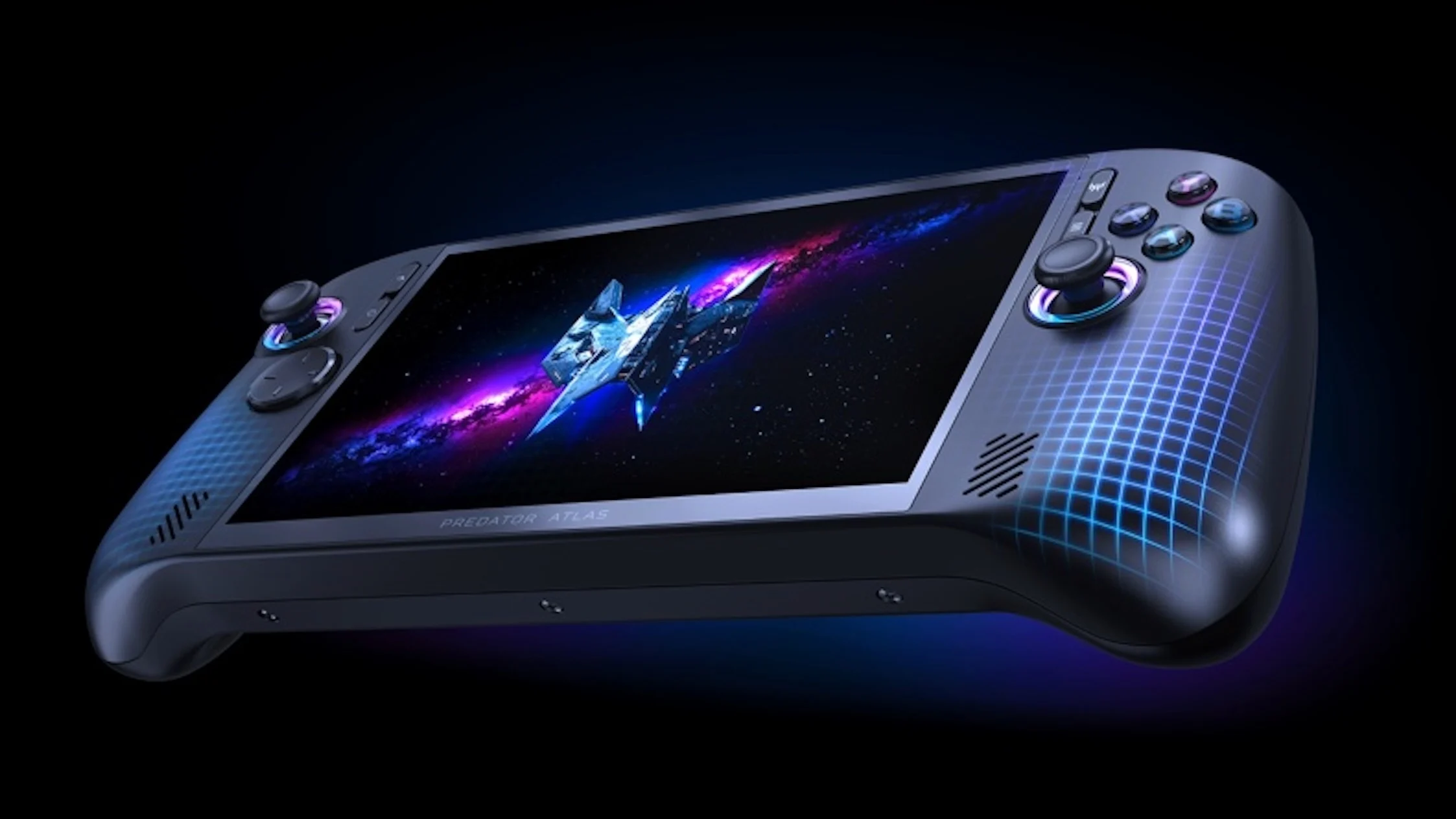
Performance is the biggest question. Wccftech reports that Arc G3 Extreme should offer Arc B390 class gaming performance, with the goal of delivering 60 FPS or better in modern games. That would put Intel in a stronger position against AMD’s current handheld chips. However, final results will depend on cooling, drivers, power limits, game support, and the device’s actual configuration.
Pricing is still missing, and that may become the most important detail. Handheld gaming PCs are getting more expensive because of rising memory and storage costs, and Intel Arc G3 Extreme devices are unlikely to be cheap. If the OneXPlayer 3 lands too close to gaming laptop pricing, it will need to justify itself through portability, display quality, battery design, and flexibility.
For now, the OneXPlayer 3 looks like an ambitious first wave device for Intel’s new handheld gaming push. It brings a strong OLED display, a flexible form factor, detachable controls, and Intel’s newest Arc G3 Extreme chip into one package. The hardware sounds exciting, but its real value will depend on price and real world performance when the Indiegogo campaign goes live in June.



Discussion (0)
Be the first to comment.