



Nvidia’s rumored N1x processor may be heading for a Computex 2026 reveal, but early Geekbench results suggest the chip may not clearly beat Apple’s M3 Max, even though Apple’s processor launched in late 2023. The leaked numbers show Nvidia’s upcoming Arm based chip sitting close to the M3 Max in both single core and multi core performance.
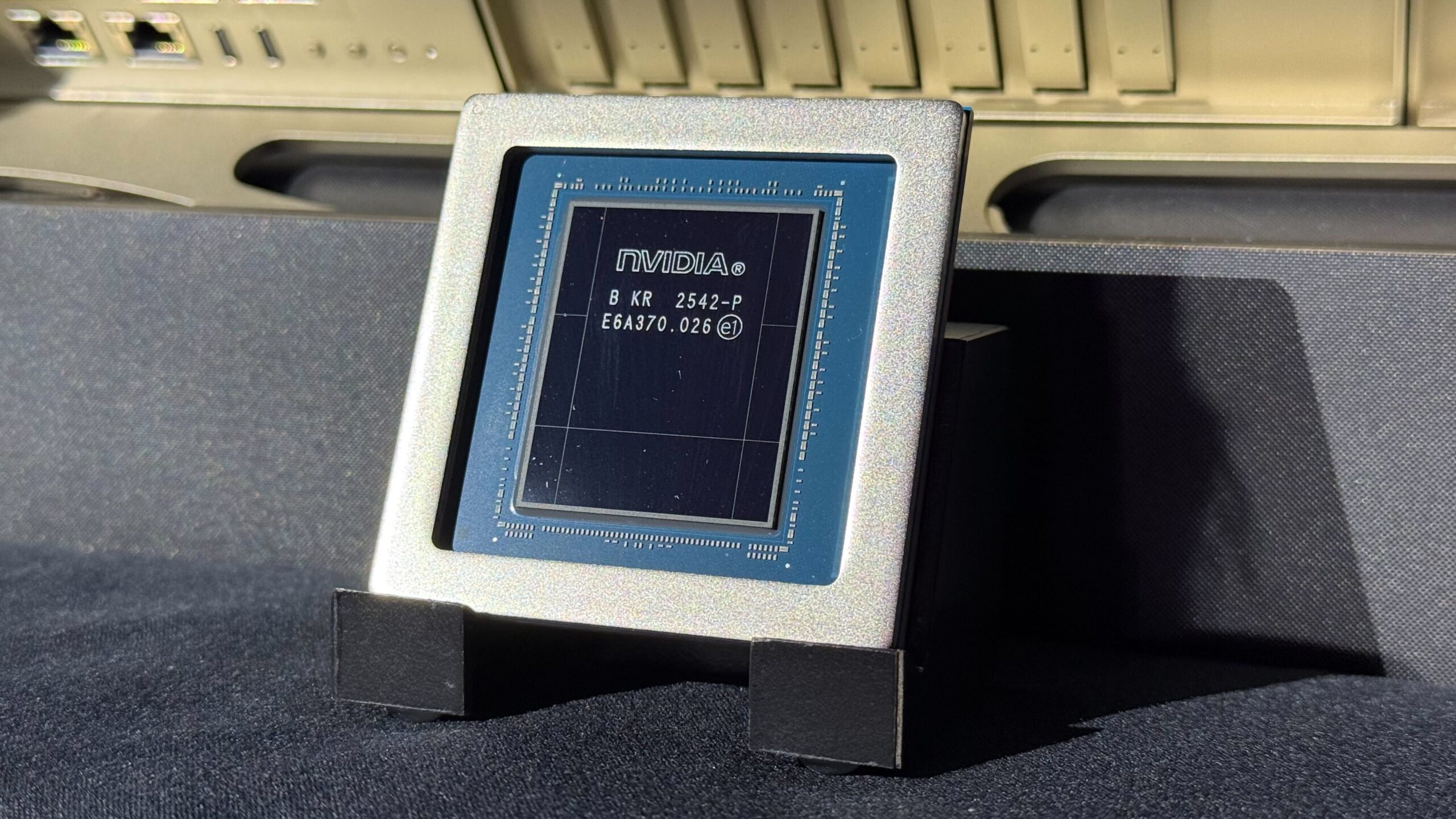
The N1x is believed to be related to Nvidia’s GB10 chip, which powers the DGX Spark mini PC. Reports suggest the processor includes a 20 core Arm CPU designed with MediaTek, an RTX 5070 class GPU, and unified LPDDR5X memory shared between the CPU and GPU. That makes it an important chip to watch, especially as Nvidia, Microsoft, and Arm are expected to discuss a larger PC partnership around Computex.
The early Geekbench 6 result shows the Nvidia N1x reaching a single core score of 3,096 and a multi core score of 18,837 while running Ubuntu 24.04.1 LTS. By comparison, Apple’s M3 Max in the 16 inch MacBook Pro has been shown with a single core score of 3,124 and a multi core score of 18,920.
| Chip | Single core score | Multi core score | CPU core count |
|---|---|---|---|
| Nvidia N1x | 3,096 | 18,837 | Reportedly 20 cores |
| Apple M3 Max | 3,124 | 18,920 | 14 cores |
The comparison is notable because the N1x appears to have more CPU cores than the M3 Max, yet the two chips are nearly tied in these early results. That gives Apple an advantage on paper because the M3 Max is older and has fewer cores while still slightly leading in both scores.
There are important caveats. The Nvidia result appears to come from pre release hardware, and the test was reportedly recorded in June 2025. Early silicon often runs below final performance because drivers, firmware, cooling behavior, and platform tuning are not finished. If N1x appears in optimized Windows laptops, its final scores could improve.
The operating system and device environment also matter. Apple’s M3 Max benefits from tight integration between Apple silicon, macOS, and MacBook Pro hardware. Nvidia’s N1x result appears to come from a less mature test platform running Linux, so the comparison may not reflect what finished consumer laptops will deliver.
Still, the leak gives a useful early signal. Nvidia may not be entering the Windows on Arm PC market with a chip that immediately crushes Apple’s best laptop silicon in CPU benchmarks. Instead, the N1x may compete by offering a different balance: Nvidia graphics, local AI performance, unified memory, and closer ties to Windows AI features.
That may be the real point of the chip. If N1x systems arrive as Windows on Arm laptops, they may be aimed less at traditional CPU benchmark leadership and more at AI workloads, developer tools, creative software, and GPU accelerated tasks. Nvidia’s strength is not only CPU design. It is the combination of GPU hardware, CUDA style software influence, and AI acceleration.
The early results also show why expectations should be careful. A powerful Nvidia PC chip would be a major moment for Windows laptops, but matching Apple’s efficiency, CPU performance, and hardware integration is difficult. Apple has spent years refining its M series chips and controlling the full system around them.
For now, the N1x remains unannounced, and leaked benchmark scores should not be treated as final performance. But if these numbers are close to reality, Nvidia’s first major Windows on Arm effort may start as a strong AI focused platform rather than a clear CPU performance champion. Its success will depend on pricing, battery life, software support, and whether Microsoft can make Windows on Arm feel ready for a wider audience.



Discussion (0)
Be the first to comment.