



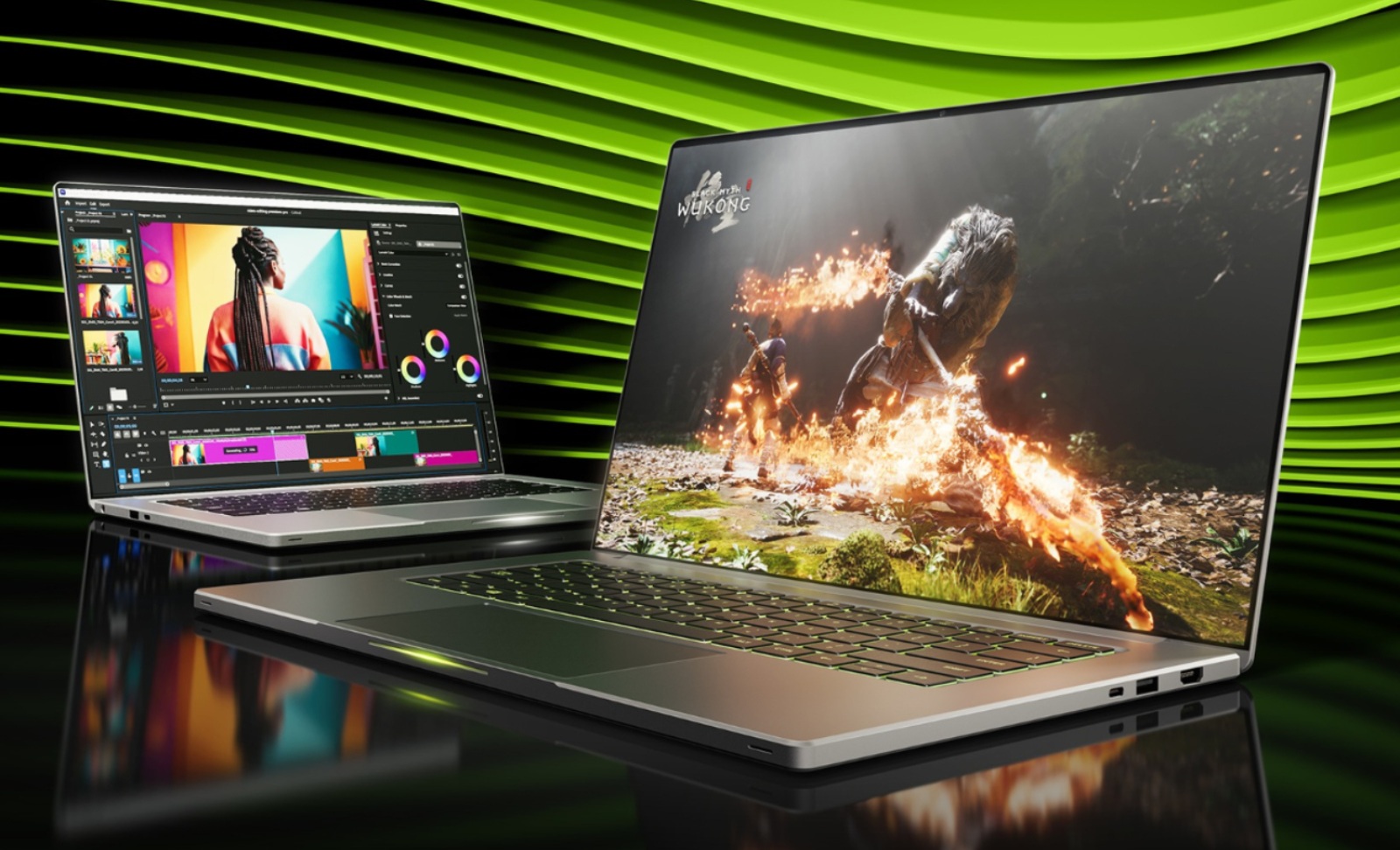
NVIDIA appears ready to make one of its biggest PC moves in years, with fresh teasers pointing toward the long rumored N1 and N1X laptop chips. The company is now hinting at a “new era of PC” ahead of Computex, and several major partners, including ASUS, Dell, Lenovo, Microsoft, and possibly MSI, have already been linked to upcoming systems based on the platform.
The teaser includes coordinates for Taipei, Taiwan, where NVIDIA CEO Jensen Huang is scheduled to speak during GTC Taipei on June 1. That timing strongly suggests NVIDIA may use Computex to reveal its first major Windows on Arm PC platform.
This would be a major shift. NVIDIA is already dominant in discrete PC graphics, but it has not had the same position in mainstream laptop processors. N1 and N1X could change that by combining Arm CPU cores with Blackwell graphics, giving laptop makers another option beyond Intel, AMD, Apple, and Qualcomm.
ASUS, Dell, Lenovo, and Microsoft are already connected to N1 laptops
ASUS has now teased what appears to be a ProArt laptop using NVIDIA’s N1 chip. That makes sense for a creator focused laptop line, especially if NVIDIA is positioning the platform around AI, graphics, and developer workloads.
Dell also appears to have an XPS laptop with NVIDIA N1X prepared for Computex media coverage. Lenovo has been linked to several N1 and N1X systems, including IdeaPad, Yoga, and Legion models. A Lenovo Legion 7 model has reportedly appeared in charger listings with a 245W power adapter, which suggests at least one high performance version may be planned.
| Company | Reported or teased NVIDIA N1 device |
|---|---|
| ASUS | ProArt laptop with NVIDIA N1 |
| Dell | XPS laptop with NVIDIA N1X |
| Lenovo | Legion, IdeaPad, Yoga, and Yoga 2 in 1 models |
| Microsoft | Possible Surface hardware with N1 or N1X |
| MSI | Rumored support |
Microsoft’s involvement may be the most important signal. Windows and Surface chief Pavan Davuluri teased that “something new” is coming for developers and clarified that it is not a new OS version. That points attention toward hardware, and it could mean Microsoft is preparing Surface or developer focused devices using NVIDIA’s platform.
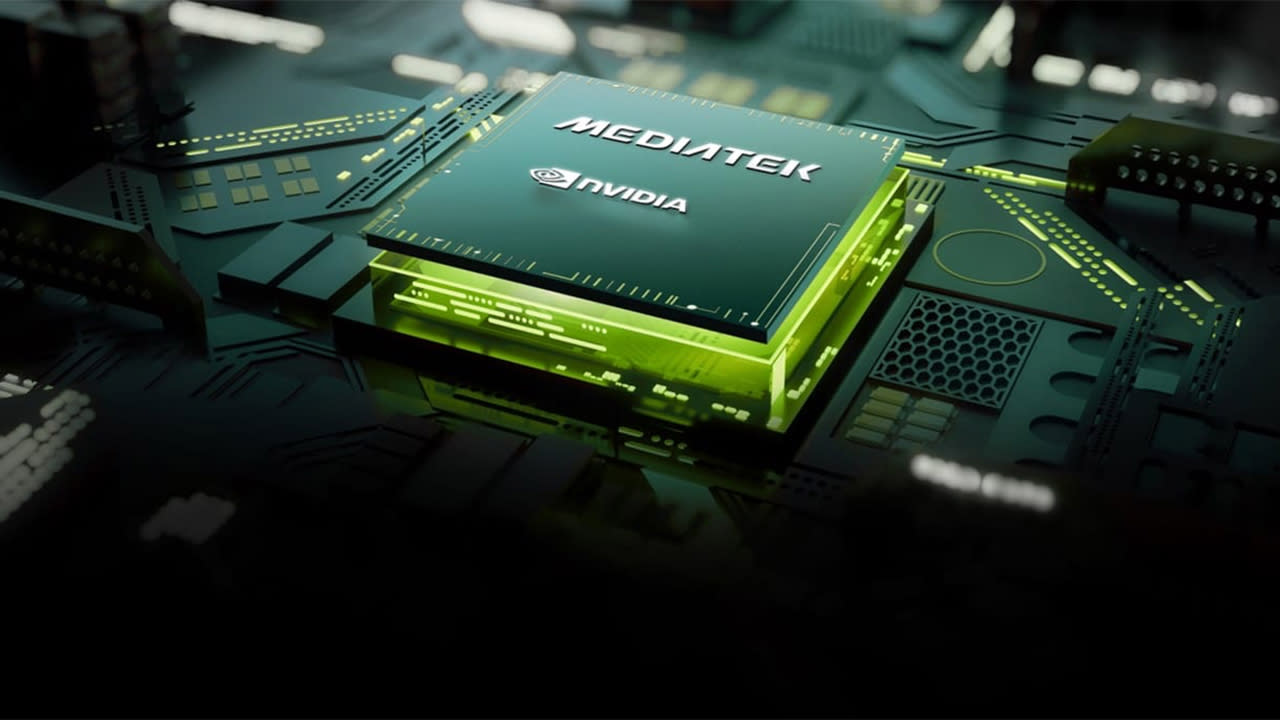
If true, this would give Windows on Arm a major new push. Qualcomm has already helped bring more attention to Arm based Windows laptops, but NVIDIA entering the market would raise the stakes. NVIDIA has strong developer mindshare, mature GPU software, CUDA, AI tools, DLSS, and deep relationships with PC makers.
The leaked N1X specifications sound ambitious. Earlier reports suggested the higher end chip could feature a 20 core Arm CPU and 6,144 CUDA cores, although final clocks, power limits, and memory configurations are still unknown. Until NVIDIA confirms details, those numbers should be treated carefully.
The big question is performance and compatibility. Windows on Arm has improved, but software support still matters. If NVIDIA wants N1 laptops to succeed, they will need strong native app support, reliable emulation, excellent drivers, and clear advantages in battery life, AI performance, graphics, or developer tools.
NVIDIA may also be aiming at a different class of laptop than Qualcomm. N1X, especially in higher power systems like a Legion model, could target creators, developers, AI workloads, and gaming capable laptops rather than only thin and light productivity machines.
That could make Computex 2026 a turning point for Windows PCs. Intel and AMD are already pushing AI focused laptop chips, Qualcomm is still trying to expand Windows on Arm, and now NVIDIA may be preparing its own full platform.
For now, the teasers are not full confirmation, but the signs are lining up quickly. ASUS is teasing ProArt hardware, Dell has an XPS device tied to N1X, Lenovo listings have appeared, and Microsoft is hinting at developer focused hardware. If NVIDIA reveals N1 and N1X at Computex, Windows laptops could be heading into a much more competitive and interesting era.

Discussion (0)
Be the first to comment.