



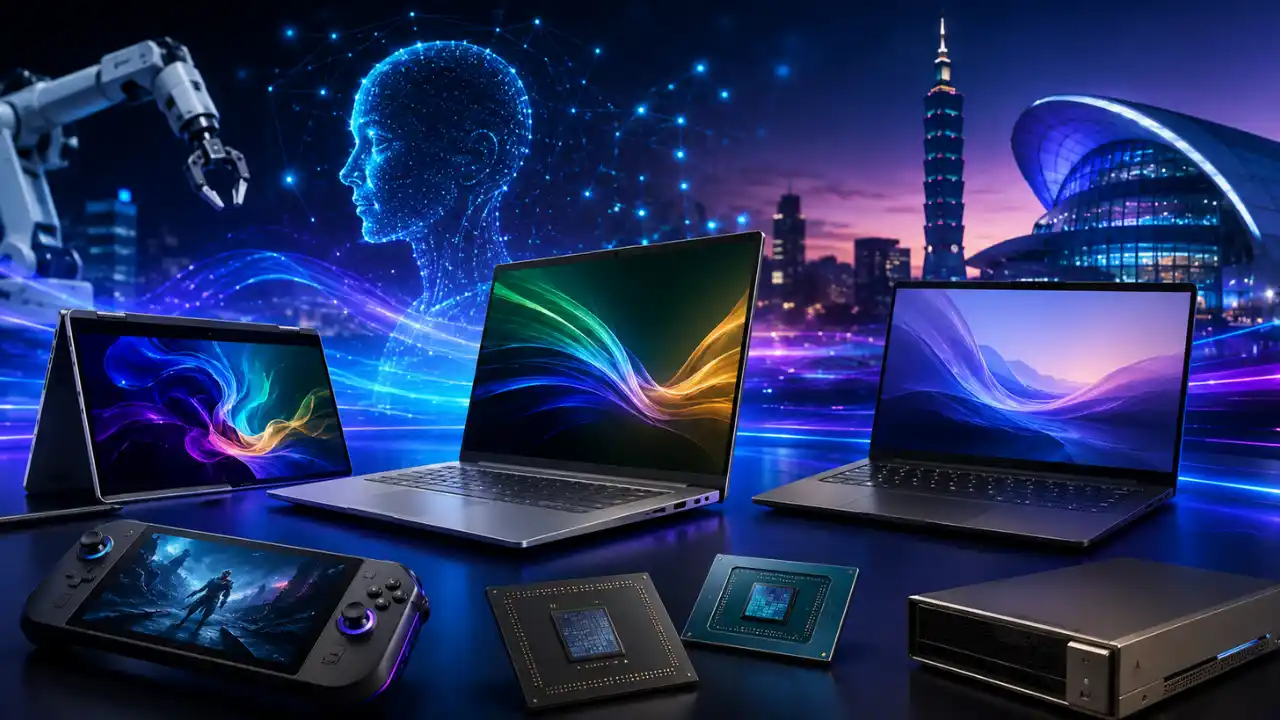
Nvidia’s Computex 2026 keynote is shaping up to be one of the company’s biggest consumer and AI hardware moments of the year, with the long rumored N1X laptop chip expected to take center stage. After a quieter CES for PC buyers, Computex may give Nvidia a stronger chance to show where it wants the next generation of AI PCs, laptops, and edge devices to go.
The most watched announcement is likely to be N1X, a laptop chip reportedly based on the same GB10 design used in Nvidia’s DGX Spark system. The chip is expected to combine 20 Arm CPU cores with an Nvidia GPU that carries 6,144 CUDA cores, which is roughly in the same class as an RTX 5070 on paper. It would use unified LPDDR5X memory, meaning the CPU and GPU share the same memory pool.
That design could make N1X interesting for local AI work. A large shared memory pool would allow the GPU to access more memory than a typical laptop graphics chip, which could help with larger AI models and local inference tasks. That may be one of Nvidia’s biggest selling points, especially as more people look for PCs that can run AI tools without sending everything to the cloud.
Gaming performance, however, may need realistic expectations. Even if the GPU core count looks strong, laptop power limits and LPDDR5X memory bandwidth could hold back performance compared with a dedicated gaming laptop GPU using faster graphics memory. Arm compatibility may also affect some PC games, as seen with other Arm based Windows systems.
| Expected Computex focus | What it could mean |
|---|---|
| N1X laptop chip | Nvidia’s big push into Windows on Arm AI PCs |
| 20 Arm CPU cores | A strong CPU foundation for productivity and AI laptops |
| RTX 5070 class GPU design | Potentially powerful graphics and AI acceleration in one chip |
| Unified memory | Useful for local AI models that need large memory pools |
| Vera Rubin updates | More details on Nvidia’s next AI data center platform |
| Jetson Thor and edge AI | More focus on robotics, physical AI, and autonomous machines |
| Gaming news | Likely limited, with AI taking priority |
Major PC brands may already be preparing N1X systems. Dell, Lenovo, and Asus have either leaked or hinted at support, and more partners could appear during the show. Asus has teased a ProArt device, which suggests Nvidia’s first wave of N1X laptops may lean toward creators, AI developers, and professionals rather than mainstream budget buyers.
Price will be a major question. High memory AI laptops are already expensive, and systems with 128GB of RAM can cost close to $3,000 or more. If N1X laptops arrive with large memory pools and premium designs, they may launch well above typical consumer laptop pricing.
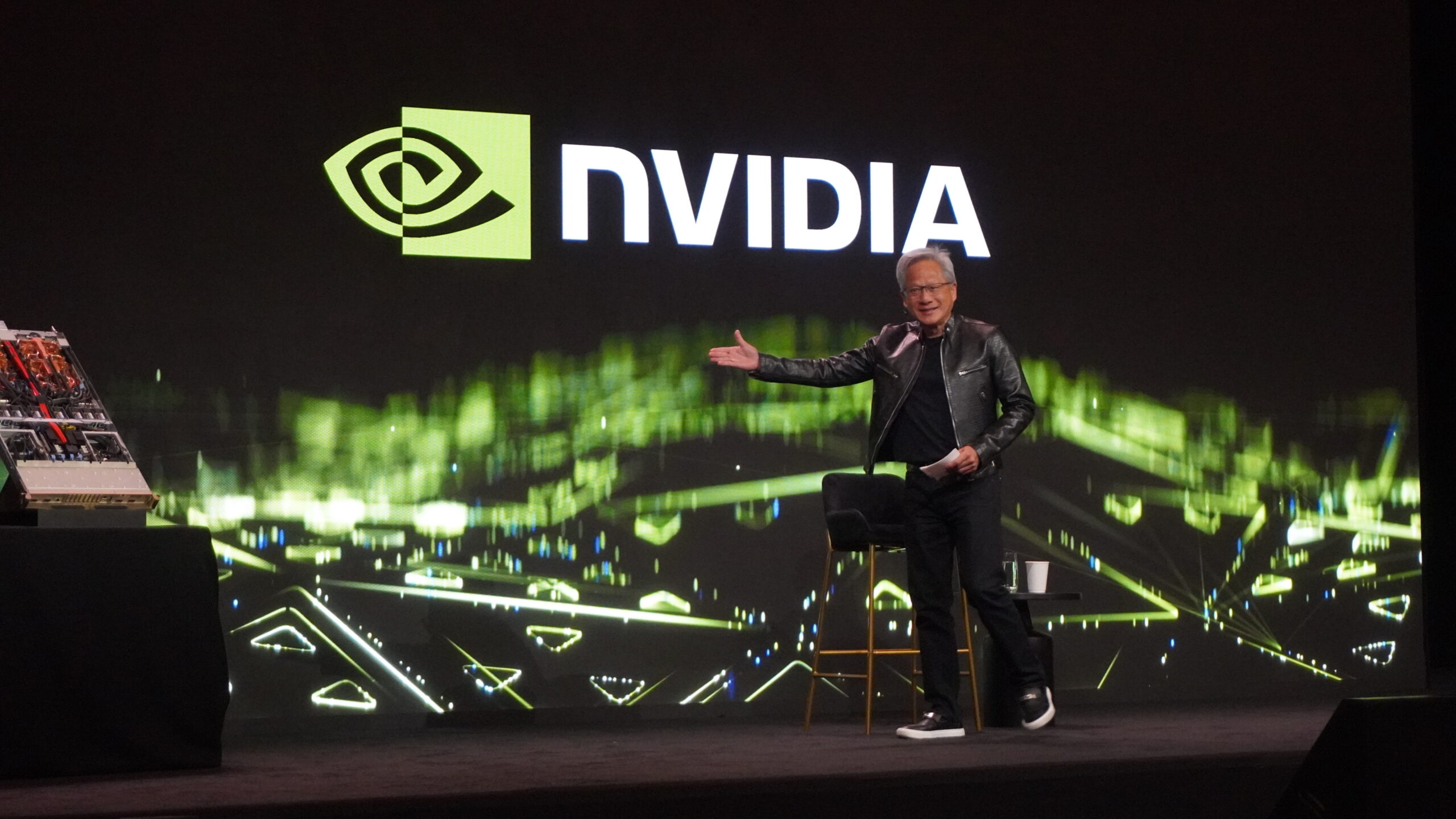
Beyond laptops, Nvidia is expected to talk more about Vera Rubin, its next major AI platform for data centers. The company has already shared many details about Rubin GPUs and Vera CPUs, but Computex could bring more information about partners, supply chains, deployment plans, and how Nvidia wants to sell complete AI factory systems.
Physical AI and agentic AI may also get a large part of the keynote. Nvidia has been pushing platforms such as Jetson Thor for robotics and autonomous machines, and Computex gives the company a chance to show how its hardware can power real world AI systems, not only cloud based models.
Gaming may receive less attention than some fans want. Nvidia’s gaming business is now being grouped more closely with edge computing in financial reporting, and the company’s Blackwell Super refresh has reportedly been delayed because of memory supply problems. That means major new GeForce hardware may not be the focus of the show.
The larger message is clear. Nvidia wants Computex 2026 to be about AI PCs, local AI, robotics, and full stack AI infrastructure. N1X could be the consumer facing piece of that strategy, while Vera Rubin and Jetson platforms show the company’s ambitions in data centers and edge devices.
If Nvidia and Microsoft can make N1X work well on Windows, Computex 2026 could mark a serious new chapter for Arm based AI PCs. But the success of that effort will depend on more than specs. Performance, software compatibility, battery life, pricing, and real AI use cases will decide whether N1X becomes a major PC platform or a premium niche product.



Discussion (0)
Be the first to comment.